
In December 2014, a small but dedicated group of practitioners and patients in Australia began formally documenting their experiences with the Autoimmune Protocol (AIP) — a stricter, nutrient-dense version of the paleo diet designed to reduce inflammation and support gut healing. The date 8 December 2014 marks a blog post from an early Australian AIP advocate who shared a detailed elimination and reintroduction plan tailored to local food availability. That post, and the community discussions it sparked, offer a practical time capsule for anyone starting an elimination diet today.
At its core, AIP removes all foods that are commonly implicated in immune reactions and gut irritation: grains, legumes, dairy, eggs, nuts, seeds, nightshade vegetables, refined sugars, seed oils, food additives, and alcohol. What remains is a foundation of high-quality meat, fish, vegetables (except nightshades), fruit, fermented foods, bone broth, and healthy fats like olive oil and coconut oil. The goal is to give the immune system and intestinal lining a period of quiet rest, typically 30–90 days, before systematically reintroducing eliminated foods to identify personal triggers.
Australia’s unique food landscape made the 2014 AIP approach particularly interesting. Grass-fed lamb and kangaroo were more accessible than in North America, while certain AIP-friendly vegetables like swede, parsnip, and pumpkin were abundant in winter. The challenge was sourcing organ meats and bone broth conveniently — many early adopters had to visit specialty butchers or farmers’ markets. One practical tip from that era: freeze individual portions of liver and heart immediately after purchase, then grate them frozen into ground meat dishes to mask the texture.
Why 2014 Matters for Today’s AIP Beginners
Looking back at that December 2018 post (the date 2014 12 08 in the URL), the advice remains surprisingly current. The author emphasized three principles that still hold up:
- Track everything before you start. A food and symptom diary should capture not only meals but also sleep quality, stress levels, bowel movements, and skin changes. Without baseline data, reintroductions become guesswork.
- Plan your elimination window realistically. A 30-day strict AIP is a solid minimum, but many people need 60–90 days to see clear improvements in bloating, joint stiffness, or fatigue. The Australian post recommended committing to 45 days if you were unsure.
- Reintroduce one food at a time, with a 3-day test period. Eat a normal serving of the test food on day one, then return to strict AIP for two days while recording any symptoms. This avoids confusion from overlapping reactions.
These guidelines align with what we now know about food sensitivity testing limitations and the value of empirical reintroduction. If you’d like a more detailed, data-driven framework for this process, the How I Fixed My Gut After Paleo Failed: A Data-Driven Reintroduction Protocol post on this blog provides a step-by-step method that builds on those same 2014 principles.
Practical Adjustments for the Australian AIP Kitchen
The 2014 post also addressed common pitfalls specific to Australian kitchens. One was the over-reliance on sweet potato as a carbohydrate source. While sweet potato is AIP-friendly, eating it at every meal can lead to a high oxalate load for some individuals, contributing to digestive discomfort. The author suggested rotating in taro, parsnip, and green banana (cooked) to diversify nutrient intake and reduce oxalate accumulation.
Another tip concerned coconut products. Many early AIP recipes called for large amounts of coconut milk, coconut flour, and coconut oil. But some people develop a sensitivity to coconut when consuming it in high quantities daily. The Australian post recommended limiting coconut to one or two servings per day and using animal fats (tallow, lard, duck fat) and olive oil as primary cooking fats instead.
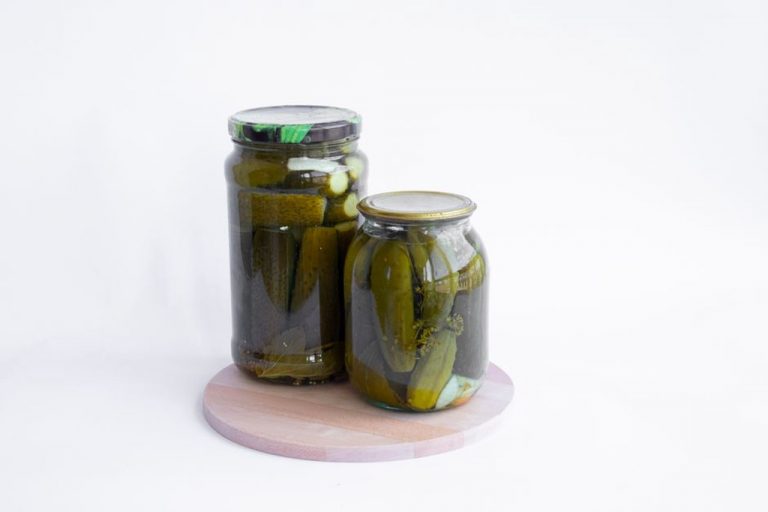
Fermented vegetables were also a focus. In Australia, sauerkraut and kimchi are widely available, but store-bought versions often contain vinegar, which is not AIP-compliant. The post included a simple brine fermentation method using only cabbage, salt, and water — a technique that remains one of the most reliable ways to introduce beneficial lactobacilli without triggering histamine issues.

Lessons from the Comment Threads
The comment section under that December 2014 post revealed a recurring theme: many readers reported that their bloating and digestive discomfort improved within the first two weeks of AIP, but then plateaued or worsened when they added back foods like eggs or nuts. This is a common pattern — the gut may be healing, but reintroduction of even a mildly reactive food can cause a temporary setback. The Australian author advised waiting at least 48 hours after a symptom resolves before testing the next food, and to keep a separate “reaction log” with details like time of onset, intensity, and duration.
Another insight from the comments: several readers found that they tolerated small amounts of certain seeds (like sesame or sunflower) better than nuts, and that seed-based spice blends (e.g., cumin, coriander) were easier on digestion than whole nuts. This highlights the importance of individual variation — there is no universal AIP “safe” list, only a list of foods that are least likely to cause reactions in most people.
If you’re struggling with reintroductions and want to see how other readers navigated similar issues, the Gut-Friendly Paleo Ice Cream: A Recipe That Won't Trigger Bloating post includes a comment thread where many people shared their experiences with reintroducing coconut cream and egg yolks — two common AIP reintroduction foods that often cause confusion.
Microbiota Considerations in an Australian Context
AIP is often criticized for being too restrictive and potentially harming the gut microbiome by reducing fiber diversity. The 2014 Australian post addressed this by emphasizing the importance of including a wide variety of AIP-friendly vegetables — at least 8–10 different types per week — and using fermented vegetables daily. The author also noted that resistant starch from cooked and cooled potatoes (sweet potato or taro) can support butyrate-producing bacteria, and that bone broth provides glycine and proline that help repair the intestinal lining.
Modern research supports these strategies. A 2020 review in Nutrients found that a well-planned AIP diet can maintain adequate fiber intake (around 25–35 g per day) if vegetables, fruits, and tubers are chosen carefully. The key is to avoid falling into a rut of eating the same three vegetables every day. Australia’s diverse produce markets make rotation easy: try kohlrabi, celeriac, and daikon radish in addition to the usual carrots and zucchini.
One Concrete Takeaway
If you plan to start an AIP elimination diet today, borrow one specific practice from that 2014 Australian post: before you begin, prepare a printed one-page checklist of your personal “why” — the symptoms you hope to resolve, the foods you suspect, and the non-negotiables you’ll keep (like morning tea or a weekly treat). Tape it to your refrigerator. When the diet feels restrictive, that list will remind you why you’re doing this. And when reintroduction time comes, you’ll have a clear record of what you’ve learned about your own body — no guesswork required.