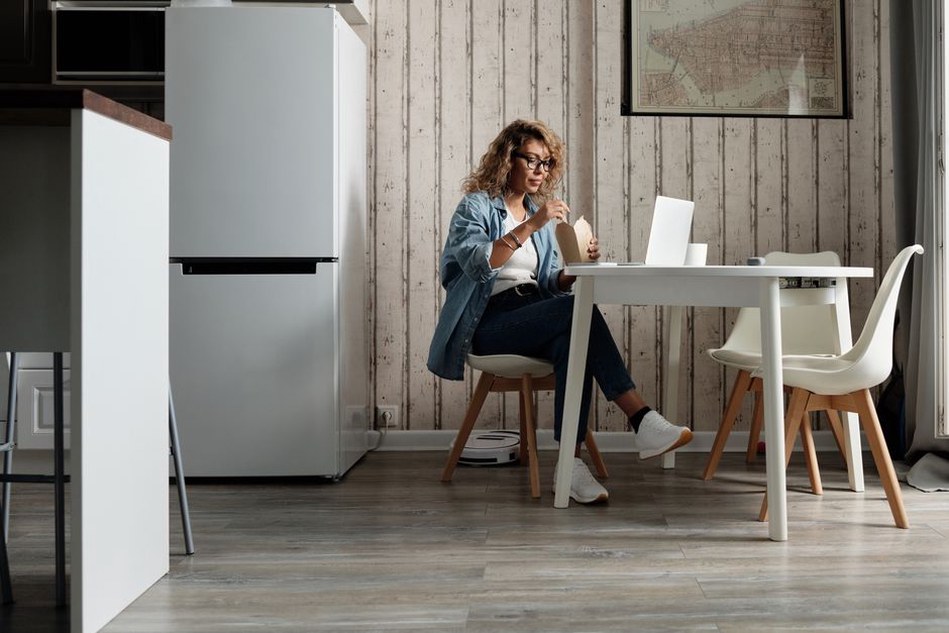
A rushed lunch can leave little time to notice hunger, chew comfortably, or register fullness. If bloating or an urgent bowel movement follows, it is easy to blame the food. Food may matter, but so might the way the meal happened. Before cutting another ingredient, try eating the same familiar lunch with ten unhurried minutes to spare.
Stress and digestion influence each other through the gut–brain connection. When the body perceives a threat, gut movement, sensitivity, and appetite can change. Digestive discomfort can then add to the stress. That does not make symptoms imaginary, and relaxation will not resolve an underlying condition. It does make the circumstances around a meal worth considering alongside what is on the plate.
What stress reduction can—and cannot—do
Stress may affect how quickly food moves through the gut and how strongly you feel normal sensations. Some people lose their appetite under pressure; others notice nausea, cramping, reflux, or changes in bowel habits. Patterns vary. A stressful day alone cannot tell you what caused a symptom: sleep, illness, menstrual cycles, meal size, and food can all play a part.
Breathing exercises, movement, and predictable routines may make meals easier to manage and help some people cope with symptoms. For conditions such as irritable bowel syndrome, the evidence is stronger for structured gut-directed psychological approaches than for any single quick relaxation trick. None of these approaches replaces an assessment when symptoms persist. The aim is to ease avoidable strain, not to make eating another task you have to get right.
Make a transition into meals
Switching straight from a tense call or crowded commute to lunch can feel abrupt. A short pause lets you notice how fast you are going. At work or around other people, choose whichever of these feels easiest:
- Put your phone aside and sit with both feet supported for a few moments.
- Relax your shoulders and unclench your jaw, without forcing a particular posture.
- Take a few slow, comfortable breaths. Let the exhale run slightly longer if that feels natural.
- Start with a few bites at a pace that lets you chew and swallow without rushing.
Slow breathing is an option, not a breath-holding challenge. If it makes you dizzy or more anxious, stop. Feeling your feet on the floor may be enough. You do not need to feel perfectly calm before you eat.
Keep the pause flexible
A fixed premeal ritual can backfire if missing it becomes a source of worry. On a hectic day, sitting down rather than eating while walking may be all you do. When you have more time, you might set out your food and drink before starting. Neither requires special equipment or a strict schedule.
Use movement to release tension, not to compensate for food
An easy walk offers a change of setting after prolonged sitting. If you like walking after meals, keep the pace comfortable rather than treating the walk as a way to prevent symptoms or offset what you ate. Vigorous activity right after a large meal feels unpleasant for some people; others do fine. Let comfort guide the timing.
You can also move before eating. A brief walk between work and dinner, gentle stretching, or a few minutes outdoors may help separate a stressful task from your meal. If exercise reliably worsens pain, urgency, or fatigue, discuss that pattern with a clinician instead of pushing harder. For more on choosing intensity and timing, see Exercise and Digestive Comfort: Finding a Routine That Fits.
Reduce the load of constant symptom checking
When your stomach feels unpredictable, monitoring every sensation is understandable. Checking for bloating after each bite, though, can keep your attention fixed on discomfort. You could note how you feel after the meal and again later in the day, rather than asking your body for an immediate verdict throughout lunch.
This distinction matters if you follow a paleo or AIP-style elimination approach. One uncomfortable meal does not establish that a food is a trigger, particularly if you slept poorly, ate more than usual, or rushed through the meal. A short, factual note about meal timing, stress, symptoms, and other circumstances can help you discuss patterns with a healthcare professional. “Ate lunch quickly during a meeting; discomfort began an hour later” tells you more than “This food is unsafe.”
If tracking raises your anxiety or leads you to cut out more and more foods, step back and ask for guidance. Restriction can make it harder to meet nutritional needs. At the same time, considering stress should not mean dismissing a genuine food reaction.
Protect sleep without making bedtime another project
After a poor night, digestive sensations may feel harder to handle. Stress and symptoms can also disturb sleep, feeding into an exhausting cycle. Skip the elaborate bedtime plan if it feels like too much. One realistic cue might be dimming bright screens, preparing tomorrow’s breakfast earlier, or keeping a consistent wake time when your schedule allows.
Late meals are sometimes unavoidable. If eating close to bedtime tends to bring on reflux or discomfort, see whether an earlier dinner or a smaller late meal is feasible. There is no need to turn that observation into a rigid rule that clashes with work, family life, or appetite. Frequent nighttime symptoms deserve medical attention, especially when they interrupt sleep.
Try a brief grounding exercise when symptoms raise anxiety
A sudden stomach sensation can bring up a string of predictions: “What if I need to leave?” “Was this meal a mistake?” Grounding cannot tell you what caused the sensation. It may give you a moment to decide what is needed now.
- Notice where your body is supported—the chair beneath you or the floor under your feet.
- Name three things you can see and two sounds you can hear.
- Ask what practical action you need: a bathroom break, loosening a tight waistband, or returning to what you were doing.
Take symptoms seriously while keeping your response proportionate. Grounding is not a reason to ignore severe pain or delay medical care. If anxiety about symptoms regularly limits eating, travel, or social life, a qualified mental health professional may be able to help. Gut-directed cognitive behavioral therapy and other structured approaches can be useful for some people, though availability and suitability vary.

Build predictability without tightening the diet
Not knowing when you will eat, whether a suitable meal will be available, or how you will feel afterward can add pressure to the day. Keeping a familiar meal option ready and allowing time to eat when possible may help. It can also be useful to have a backup plan when the day changes. The point is flexibility, not a shorter list of “safe” foods.
Someone eating paleo-style, for example, might keep cooked protein, vegetables, and a tolerated starch on hand for a late workday. That is a convenience strategy, not a prescription for digestive symptoms. If you are using an elimination diet, discuss changes and reintroductions with a doctor or qualified dietitian, particularly if the diet is hard to manage or varied eating has become a challenge.
When a technique is not helping
Try a new habit in situations where it fits, without putting pressure on it to work every time. Does it make eating easier, have no clear effect, or add another obligation? You can drop a breathing exercise that makes you self-conscious and keep a two-minute pause that makes lunch less rushed.
Discuss persistent digestive symptoms and planned diet changes with your doctor. Seek prompt medical advice for blood in the stool, unexplained weight loss, persistent vomiting, trouble swallowing, or severe or worsening abdominal pain. Stress can coexist with a condition that needs evaluation.
At your next familiar lunch, leave the food unchanged. Sit down before the first bite, put your phone aside, and see whether you have enough time to eat without hurrying. Make a note afterward only if it helps you understand the circumstances—not because every meal needs a score.