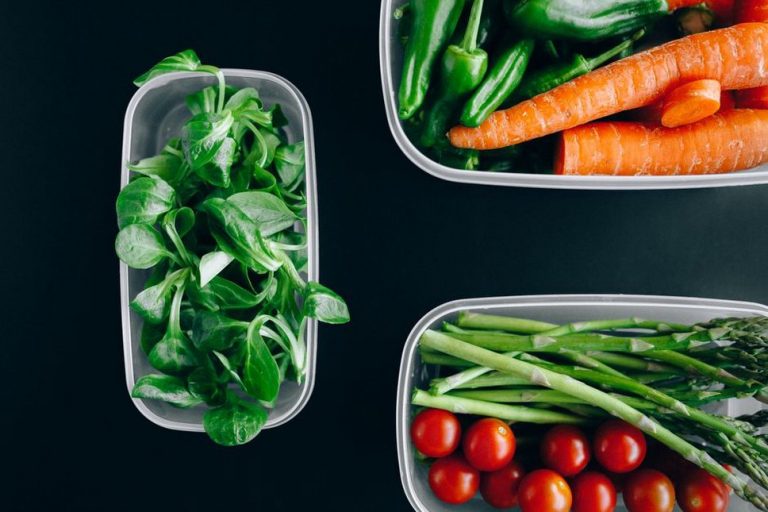
A subscriber who bought a paleo meal planner probably doesn’t need another announcement about it. On a busy Tuesday, they need to know how to turn its shopping list into dinner. An email showing two flexible meals built from that list gives them a reason to open the next one. For a food or digestive-health business, a small practical problem is often a better starting point than a promotion.
There are limits to what that help can do. A newsletter can make meal planning easier, explain ingredients and help readers prepare questions for a clinician. It cannot determine the cause of persistent symptoms or tell someone which foods are safe for their health situation. Say so plainly when discussing elimination diets or the autoimmune protocol (AIP).
Start with the relationship, not the email template
Someone who signed up for recipes expects something different from a customer waiting for an order. A person who downloaded an AIP shopping list may only be exploring the approach. Keep those contexts separate where you can. Broad subscription choices—recipes, ingredient guidance or product updates—are more useful than guessing at someone’s health status from a click.
Pick a rhythm you can maintain. One thoughtful email every two weeks beats a daily series that disappears after a month. Give each message one purpose, a recognizable sender name and a subject line that accurately describes what’s inside. Subscribers should know what they signed up for.
Newsletter ideas people can use
1. Send a first-week orientation note
A welcome email should say what subscribers will get, how often it will arrive and where they can change their preferences. Add something they can use right away: a three-meal planning worksheet, a guide to reading ingredient labels or a short pantry list. If you cover AIP, explain that it involves more exclusions than general paleo eating and isn’t a default plan for everyone. Encourage readers to discuss substantial diet changes with a doctor or qualified clinician.
2. Build a meal from interchangeable parts
A rigid seven-day menu falls apart when the store is out of one ingredient. Instead, show readers how to pair a protein, a cooked vegetable, a carbohydrate source and a sauce or seasoning. Give two examples and show where they can make swaps that fit their own tolerances. Skip the universal “gut-friendly” label: preparation, portions and individual needs all matter.
3. Explain one ingredient decision
Take a common shopping question: What should I check on a broth label? Why might a packaged sauce not fit a particular exclusion phase? Point readers to the relevant information—ingredients, allergen statements, serving size or storage instructions—without suggesting that a label can predict symptoms. New customers may find this especially useful when figuring out how to use a pantry product.
4. Offer a low-pressure preparation tip
Small kitchen jobs make good email topics. Suggest washing greens ahead, freezing individual portions of cooked meat or preparing two vegetables with different textures. Anchor the tip to a real constraint: “twenty minutes available on Sunday” is easier to act on than “meal prep for the week.” Be precise about food safety, and don’t guess at storage times when the product or preparation method makes a difference.
5. Make a food-and-symptom journal easier to use
A journal prompt can help readers note meals, timing, sleep, stress and symptoms without treating every coincidence as a diagnosis. Show the difference between “bloating began about two hours after lunch” and “tomatoes caused bloating.” Those notes may help someone describe a pattern to a clinician. Persistent digestive symptoms deserve medical evaluation; a journal supports that conversation, not self-diagnosis.
6. Share a careful reintroduction planning prompt
Readers using an exclusion approach may welcome a reminder to record what they ate and how they felt. That doesn’t mean a business newsletter should prescribe a personal reintroduction schedule. You can explain the general idea of changing as few variables as practical so observations are easier to interpret. Encourage readers to plan significant exclusions and food returns with their doctor, particularly if they have allergies, chronic illness, nutritional concerns or a history of disordered eating.
7. Answer a real customer-use question
Questions about texture, preparation or substitutions can make concise emails. Put the question first, answer it, then explain what your answer cannot tell the reader. You can describe how to thin a sauce or identify its listed ingredients; you can’t promise everyone will tolerate it. Leave out identifying details unless the customer has explicitly agreed to their use.
8. Tell readers what changed
If you correct a recipe, change a product ingredient or add clearer sourcing to a guide, tell readers. Name the change and explain who needs to pay attention. A correction email may not be exciting, but it shows that getting the details right matters more than looking flawless.
9. Run a modest seasonal series
Two or three emails can help with a specific occasion, such as packing meals for travel or planning around a holiday gathering. Make each one useful on its own: one could cover packing constraints, another ingredient questions, and the last a flexible meal plan. A season doesn’t call for a restrictive “reset.” Readers who aren’t following an elimination diet should still get something useful.
10. Occasionally explain an evidence claim
If readers keep hearing that a food “heals the microbiome,” slow the claim down. Microbiome research is active, but findings don’t automatically become food rules for an individual, and digestive responses vary. Support claims at the level the evidence allows. If you can’t substantiate a precise claim in the email, leave it out. Readers can then tell the difference between useful education and a sales pitch.
Make each email easy to read and easy to leave
Lead with the answer rather than a long introduction. On a phone, short paragraphs, descriptive headings and one clear action are easier to follow. That action might be “save this shopping checklist” or “reply with a general recipe question,” not always “buy now.” If you invite replies, don’t ask people to send detailed medical histories to an ordinary marketing inbox. Personal symptoms and diet changes belong in a conversation with their doctor.
Make the format accessible, too. Put important information in text rather than only in an image, use readable contrast and give buttons descriptive labels. Include an obvious unsubscribe option and honor preferences promptly. Someone leaving the list isn’t a relationship failure; the email should go to people who want it.

Balance helpfulness and commercial messages
Products can have a place in a customer newsletter, but an educational tip shouldn’t be a disguised ad. Let the practical explanation stand on its own, then clearly separate any relevant product mention. If a recipe calls for an item you sell, offer a reasonable alternative where one exists. The advice should make sense without a purchase.
Take particular care with testimonials about digestion or autoimmune conditions. One customer’s experience does not establish a typical outcome. Get permission before quoting someone, don’t turn reported symptom changes into treatment claims, and don’t infer health conditions from purchases. Automated post-purchase emails are better spent on use and care: storage, where to find the ingredient list or ways to adapt a recipe.
Choose topics using signals you can interpret
Opens and clicks tell only part of the story; privacy settings and email clients can affect the numbers. Also look at recurring support questions, useful replies, preference changes, unsubscribes and whether people use a practical resource. A spike in clicks on an AIP subject line doesn’t prove subscribers want stricter food rules. They may have found the subject unclear or needed a basic explanation.
Keep a small editorial log: who an email was for, the question it answered, when it went out and what feedback came back. Before repeating a topic, check whether the first version helped. If customers still ask how to use a meal-planning download, an illustrated example may do more good than another promotional reminder.
For the next send, take one question from a recent customer reply. Draft a direct answer, one concrete example and one relevant limitation. For “What can I prepare ahead for lunch?”, you might suggest cooked chicken, roasted carrots and a separate dressing, while noting that ingredients and portions still need to fit the reader’s needs. Keep personal symptom advice out of the email. Readers with persistent symptoms or plans for significant diet changes should talk with their doctor.