
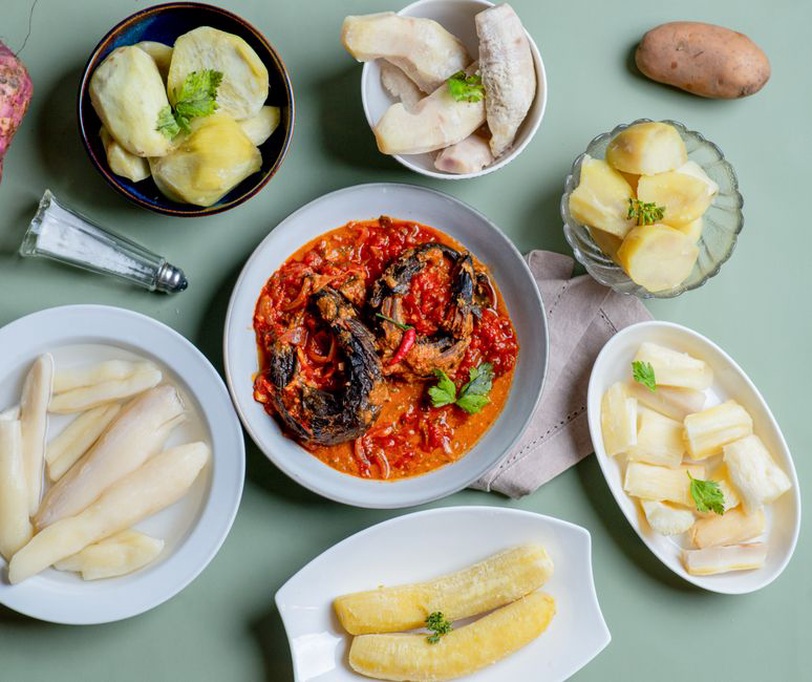
A bowl of coconut fish stew, roasted plantains with braised greens, or slow-cooked lamb with herbs can fit a Paleo-style meal without suggesting that Paleo owns those food traditions. The useful question is rarely how to “make ethnic food Paleo.” It is which parts of a familiar dish already rely on whole foods, and which ingredients may need changing for a chosen Paleo or elimination plan.
Paleo guidelines differ, but a common starting point includes meat, fish, eggs when tolerated, vegetables, fruit, roots and tubers, herbs, spices, nuts and seeds when included, and minimally processed fats. It usually excludes grains, legumes, refined sugar, and most dairy. This overlaps with parts of many food cultures, but it does not neatly match any one cuisine. Rice, beans, corn, flatbreads, yogurt, soy, and lentils are important cultural foods and can be nutritious for many people, even when they are excluded from a strict Paleo plan.
Start with the dish, not a stereotype
No cuisine can be reduced to a short list of ingredients. Mexican food is not just tortillas and beans; Indian food is not just rice and lentils; Japanese food is not just sushi rice and soy sauce. Food traditions include regional differences, seasonal meals, celebration foods, everyday cooking, and adaptations shaped by migration and access.
A more respectful and practical approach is to look at the structure of a specific dish:
- Protein: fish, poultry, meat, shellfish, eggs, or a legume-based component
- Vegetables and aromatics: leafy greens, onions, garlic, peppers, mushrooms, cabbage, squash, herbs, and spices
- Starch: grains, beans, corn, potatoes, cassava, plantains, taro, bread, or noodles
- Fat and sauce: olive oil, coconut milk, sesame oil, butter, seed oils, yogurt, fermented condiments, or packaged sauces
Once the structure is clear, changes can stay small and deliberate. A grain-based side may be replaced with roasted squash or cauliflower while the seasonings, cooking method, and main ingredients remain recognizable. In other cases, no substitute will preserve the dish’s identity. It may be better to enjoy the original on an occasion when it fits your priorities than to present a distant substitute as the real thing.
What “within Paleo” can reasonably mean
There is no universal Paleo rulebook. Some people include white rice, certain dairy foods, or traditionally prepared legumes, while others avoid them consistently. Autoimmune Protocol (AIP) elimination phases are more restrictive, usually removing foods such as eggs, nuts, seeds, nightshades, and seed-based spices for a limited period before a structured reintroduction. A food that suits a general Paleo meal may not suit a strict AIP elimination phase.
When adapting cultural dishes, decide how flexible the plan is before planning the meal.
General Paleo-style eating
This approach can leave plenty of room for traditional patterns built around seafood, meat, vegetables, fruit, tubers, herbs, and simple cooking fats. Examples include grilled kebabs with salad, ceviche without grain-based sides, roasted chicken with root vegetables, or coconut-based curries served with cauliflower rice or sautéed greens.
Strict Paleo
This version generally excludes grains, legumes, dairy, refined sweeteners, and highly processed foods. Watch for less obvious ingredients: flour used to thicken sauces, breadcrumbs in meatballs, sugar in marinades, soy sauce, cornstarch, and restaurant cooking oils.
AIP elimination or a medically guided elimination plan
This is not simply “stricter Paleo.” It has a specific purpose and should not become a permanent default. The food list can change staple dishes more substantially because familiar flavorings such as chili, cumin, coriander seed, mustard, pepper, tomatoes, and egg-based sauces may be removed temporarily. If you have persistent digestive symptoms, weight loss, fatigue, anemia, bleeding, severe pain, or other concerning symptoms, seek medical care rather than extending dietary restriction on your own. Discuss ongoing symptoms and meaningful dietary changes with a physician or qualified dietitian.
Adaptations that preserve flavor better than one-for-one swaps
The best adaptations usually hold on to a dish’s flavor logic. Rather than trying to imitate wheat bread with a complicated substitute, build the meal around the stew, grilled protein, vegetables, or relish that gives it character.
| Traditional meal element | Paleo-oriented option | Practical consideration |
|---|---|---|
| Rice beside a curry or braise | Cauliflower rice, shredded cabbage, roasted squash, or a larger portion of vegetables | These change the texture. Treat them as a side rather than claiming they are the same as rice. |
| Wheat noodles in soup | Zucchini ribbons, cabbage, kelp noodles if tolerated, or extra vegetables | Broth, aromatics, and protein can carry the meal without a noodle replacement. |
| Tortillas or flatbread | Lettuce cups, roasted sweet potato rounds, or a bowl-style meal | Choose a format that is easy to eat rather than forcing a fragile replacement wrap. |
| Beans or lentils as the main protein | Fish, chicken, lamb, beef, eggs if included, or mushrooms plus animal protein | The result may differ nutritionally and culturally. Use the original spice profile with care. |
| Soy sauce | Coconut aminos, salt, garlic, ginger, and citrus | Coconut aminos are sweeter and less salty, so season gradually. |
| Yogurt or cream in sauce | Coconut milk, blended cooked vegetables, or broth reduction | Coconut has a distinct flavor and will not suit every dish. |
Adaptation does not always mean replacement. A Korean-inspired grilled beef bowl, for example, can use garlic, ginger, scallions, pear, sesame only if tolerated, and grilled beef over greens or roasted vegetables. “Korean-inspired” is more accurate than claiming it reproduces a classic rice bowl.
Cultural food traditions with naturally compatible building blocks
Caribbean and Afro-Caribbean cooking
Fresh fish, shellfish, poultry, greens, coconut, plantains, cassava, sweet potatoes, tropical fruit, allspice, ginger, garlic, and thyme provide many Paleo-compatible foundations. A fish stew with coconut milk, lime, herbs, onions, and vegetables may need little adjustment. Fried dishes, flour-thickened gravies, rice-and-pea dishes, and sweet bottled sauces call for decisions based on the guidelines you are following.
Plantains and cassava are worth mentioning separately. They are starchy whole-food staples, not grains, and many Paleo approaches include them. Portion needs vary with appetite, activity, and digestive comfort. Boiled, baked, or roasted versions may be easier for some people than heavily fried preparations, though tolerance is individual.
Mediterranean and Middle Eastern cooking
Grilled fish, lamb, chicken, olives, olive oil, cucumber, herbs, roasted eggplant, zucchini, leafy vegetables, dates, and citrus make a strong Paleo-style base. Grain- and legume-based dishes such as tabbouleh, hummus, falafel, pita, and rice pilafs are not strict Paleo, but a meal does not have to depend on them. Grilled meat or fish with chopped salad, roasted vegetables, olives, and lemon-herb dressing is recognizable and straightforward.
For AIP, check spice blends closely. Black pepper, cumin, coriander, sesame, and paprika may be excluded during the elimination phase. Fresh parsley, mint, dill, garlic, lemon, cinnamon, turmeric, and ginger can add flavor, depending on the individual protocol.
East and Southeast Asian-inspired meals
Stir-fries, broths, grilled meats, seafood, steamed vegetables, aromatics, and fresh herbs can work well. The usual sticking points are sauces and staples: soy sauce contains soy and often wheat; rice and rice noodles fall outside strict Paleo; tofu, peanuts, and many commercial sauces may not fit. A ginger-garlic chicken stir-fry with bok choy, mushrooms, carrots, and lime can be served over shredded cabbage or with roasted roots.
Fish sauce is often compatible with Paleo ingredients, but labels vary. Some contain only fish and salt, while others include sugar or additives. Checking the label matters, especially during an elimination diet or when managing a known food sensitivity.
Latin American and Mexican-inspired meals
Fresh salsas, grilled meats, fish, avocado, cabbage, lime, cilantro, onions, squash, and roasted sweet potatoes fit easily into many Paleo meals. Corn tortillas, beans, rice, cheese, crema, and packaged seasoning blends may not fit a strict plan. A taco-style bowl with seasoned fish, cabbage slaw, avocado, pico de gallo, and roasted plantains keeps the bright flavors without trying to imitate a tortilla.
During AIP elimination, tomato- and chili-based salsas are generally avoided because they are nightshades. Mango-lime relish, cucumber-herb salsa, or avocado with lime can bring acidity and freshness instead. Reintroduction is the time to learn whether a specific food, such as tomato or a seed-based spice, is personally tolerated. It is not evidence that the food causes symptoms for everyone.
Respect, access, and nutrition matter alongside rules
Food carries family memory, hospitality, religion, geography, and identity. Calling a traditional food “bad” because it contains rice, beans, dairy, or corn can be inaccurate and needlessly alienating. Paleo is a voluntary framework, not a measure of whether a cuisine is healthy or authentic.
Specialty Paleo replacements are not required. Whole foods from local markets are often less expensive and more familiar than packaged grain-free breads, cookies, or wraps. Baked fish, greens sautéed with garlic, and boiled yuca may be more practical than a heavily processed Paleo convenience food.
Nutrient density is a useful guardrail when staples are removed. If legumes and grains are reduced, meals still need enough energy and variety through proteins, starchy vegetables, fruit, vegetables, and fats. Restrictive eating patterns can unintentionally lower fiber, calcium, iron, or total calorie intake, especially for children, adolescents, pregnant people, older adults, athletes, and people with a history of disordered eating. Individual guidance from a registered dietitian can be especially helpful in these situations.
Make changes gradually when digestion is sensitive
A sudden change from familiar staples to large amounts of raw vegetables, cauliflower, coconut products, or sugar alcohol-containing “Paleo” packaged foods can increase bloating or change bowel habits. That does not prove a food is harmful. Portion size, rapid changes in fiber, meal timing, stress, food preparation, or an unrelated medical issue may be involved. The evidence on digestion is more nuanced than broad claims about “healing the gut”; Common Gut Health Myths: What the Evidence Actually Says addresses several of these oversimplifications.
When trying an adaptation, change one or two elements instead of redesigning every meal at once. Keep preparation simple and note the meal, portion, timing, and any symptoms in a brief diary. That produces more useful information than blaming an entire cuisine after one uncomfortable meal. For formal elimination diets, reintroduce foods methodically and preferably with professional guidance rather than staying highly restricted indefinitely.
A practical template for a culturally grounded Paleo meal
- Choose a familiar dish or flavor profile, such as jerk-style seasoning, lemon-herb grilling, ginger-garlic broth, or turmeric-coconut stew.
- Keep the traditional protein, vegetables, aromatics, and cooking technique whenever they fit the plan.
- Identify only the ingredients that conflict with the current level of restriction.
- Select a whole-food alternative for the meal format, such as roots, squash, greens, or cabbage, rather than relying on processed substitutes.
- Check sauces, marinades, spice mixes, and restaurant preparations for hidden wheat, soy, dairy, sugar, or restricted spices.
- Use an accurate name: “Paleo-inspired” or “adapted” is often clearer than claiming authenticity.
For a practical weeknight meal, make a coconut-lime chicken stew with onion, garlic, ginger, carrots, greens, and sweet potato. On a general Paleo plan, use the herbs and spices that suit the dish. During AIP elimination, choose protocol-compatible seasonings and leave out restricted spices. Serve it as a stew rather than trying to recreate a grain-based side, then note how that specific meal feels before making further changes. Discuss sustained symptoms and meaningful dietary changes with a physician or qualified dietitian.