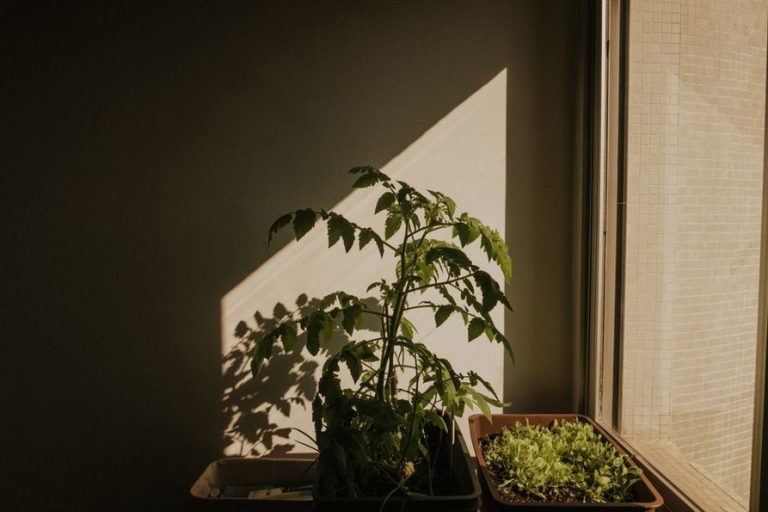
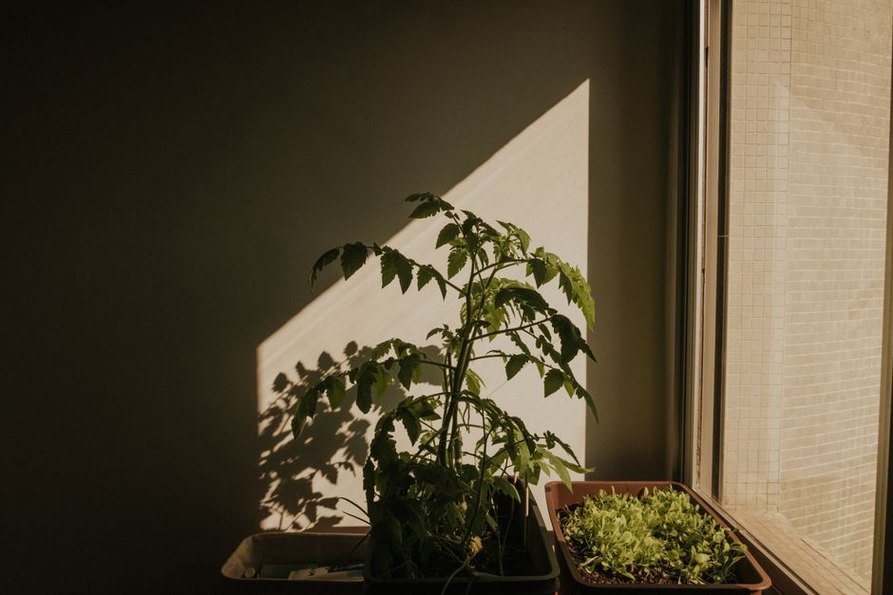
A plant six feet from a window may get far less usable light than one on the sill, even if both spots look bright to you. Before changing your watering routine or buying another plant, try moving the pot closer to the daylight. In a dim room, that may do more good than fertilizer.
Work out how much light the spot actually gets
“Low light” does not mean no light. Plants still need enough to hold onto their leaves and make new growth, even slowly. Being able to read in a room without a lamp is a rough starting point, but our eyes adjust to dim conditions better than plants do. Look at the spot at different times of day: does it get indirect daylight, a brief patch of sun, or only light spilling in from another room?
Window direction helps, but it does not tell the whole story. In the Northern Hemisphere, north-facing windows often give gentle, indirect light; in the Southern Hemisphere, south-facing windows often do. Trees, nearby buildings, deep window recesses, and blinds can cut that light considerably. A phone light-meter app can help you compare spots, but its readings are not a precise measure of the light a plant can use.
Start with the brightest suitable spot and watch the plant for several weeks. If strong direct sun scorches its leaves, move it back from the glass. An occasional quarter turn can help if the stems lean toward the window. Try not to keep moving a struggling plant before it has had time to respond.
Choose plants that tolerate shade, not darkness
Some houseplants handle modest indoor daylight better than others, though they usually grow more slowly there. New leaves may be smaller or less frequent than they would be in brighter light. Variegated plants can also need more light to keep their markings, so do not assume they will do as well as an all-green variety in the same spot.
- ZZ plant: Thick stems and underground rhizomes store water, making it forgiving of the occasional missed watering. Let the potting mix dry well between waterings.
- Snake plant: It tolerates low light, but damp soil can damage its roots. A pot with a drainage hole is especially important.
- Cast-iron plant: A good candidate for a shaded corner that still gets daylight. It grows slowly even in favorable conditions.
- Heartleaf philodendron: Its trailing stems suit a spot near a window or under a grow light. Long gaps between leaves can be a sign that it needs more light.
- Pothos: An adaptable vine that generally grows fuller in moderate indirect light. Expect slower growth and less noticeable variegation in a dim spot.
Choose for the light you actually have, not just a label that says “low light.” Most live plants will not thrive in a windowless bathroom or hallway without supplemental lighting. Check toxicity, too: keep ZZ plants, snake plants, pothos, and philodendrons away from pets and young children who might chew them.
Water less often, but check more carefully
Plants in weak light usually use water more slowly. Watering every Sunday can leave their roots in damp mix for too long. Instead, check below the surface with a finger or a clean wooden stick. You can also lift the pot to learn how its weight changes between freshly watered and dry. How deep you check, and how dry the mix should get, depends on the plant, pot size, and mix. A snake plant generally needs to dry out more thoroughly than a philodendron.
When it is time to water, wet the mix evenly until some water runs through the drainage hole. Then empty the saucer or outer pot so the roots are not sitting in runoff. If water races straight through a very dry mix, let the pot drain and water again slowly to give the mix a chance to absorb it.
A yellow leaf alone does not tell you what went wrong. Check the soil and roots before changing your routine. Constantly wet mix, a sour smell, soft stems, or dark, mushy roots can point to root trouble. Crisp edges and a very light pot may suggest the plant has been dry for too long. If just one older leaf dies while new growth looks healthy, it may be normal turnover.
Use a pot and mix that let roots breathe
Choose a pot with a drainage hole, especially in a cool or dim room. You can use a decorative pot without a hole as an outer cover: take out the inner pot to water, then pour away any water that collects inside. An airy houseplant mix is generally better than dense garden soil, which can stay wet too long indoors. A layer of stones in a closed pot is no substitute for a drainage hole; excess water still has nowhere to go.
Repot when roots are crowded or the mix has broken down, rather than automatically every spring. A much larger pot leaves extra soil around a small root system, and that soil may stay damp for days or weeks. Moving up just one pot size is generally safer.
Adjust the rest of your care to slower growth
Fertilizer is rarely the first fix for poor growth in low light. Nutrients cannot replace light, and feeding a plant that is barely growing can leave excess salts in the mix. If you fertilize, follow the product label and feed only during active growth. Hold off if the plant is stressed, newly repotted, or making no visible growth.
Dust cuts down the light reaching leaves and can hide pests. Gently wipe broad leaves with a damp cloth, supporting each leaf as you go. A gentle rinse may be easier for delicate foliage; let the pot drain afterward. Look under leaves and around stem joints for webbing, sticky residue, or small moving insects. If you suspect pests, separate the plant from its neighbors while you identify the problem.
Keep pots away from cold drafts, heating vents, and glass that gets very cold at night. Most common tropical houseplants do best at ordinary indoor temperatures without abrupt swings. Humidity needs vary, but a pebble tray is unlikely to make a dry room humid. If leaf edges keep turning crisp despite appropriate watering, check for hot airflow or persistently dry air.
Know when a grow light would help
A grow light can help when a plant is too far from a window, daylight hours are short, or a room lacks dependable natural light. Choose a light made for plants and follow its directions for distance and daily running time. A timer keeps the schedule steady and gives the plant a regular dark period. Do not put a powerful lamp extremely close to the leaves: heat or intense light can damage them even in a dim room.
Watch the new growth to see how the setup is working. Sparse leaves, stems reaching toward the lamp, or widening gaps between leaves may mean the plant needs more usable light. Bleached or scorched patches near the lamp may mean it is getting too much. Change one thing at a time and give the plant several weeks to respond. Damaged leaves usually will not turn green again.
If a plant is struggling in a dim corner, test its placement before changing anything else. Move it within a few feet of the window, out of harsh direct sun, and mark the date. Watch the next two or three leaves: their size and spacing will tell you more about the new spot than the older leaves can.