Removing wheat from breakfast and beans from dinner changes the types and amounts of fiber reaching the colon. Bloating might ease, but that does not mean grains or legumes are harmful to everyone. A paleo-style diet changes several things at once, so it can be hard to tell which change made the difference.
Paleo generally centers on vegetables, fruit, meat, fish, eggs, nuts and seeds, while excluding grains, legumes and dairy. It may also mean fewer packaged foods, more cooking at home or different portion sizes. Each shift can affect digestion. Rather than asking whether paleo is simply “good for the gut,” it helps to ask what might explain your response—and what you may be giving up.
What the evidence can actually tell us
Paleo research has focused more on weight and metabolic markers than on digestive symptoms. Studies that do look at digestion tend to be small or short, and participants may follow different versions of the diet. There is not strong evidence that paleo, as a complete eating pattern, reliably treats bloating, constipation, irritable bowel syndrome or inflammatory bowel disease.
Feeling better during an elimination does not necessarily identify the cause. A person who stops eating bread might also cut back on large restaurant lunches, certain snack bars or foods high in fermentable carbohydrates. More home-cooked meals can change portions and eating pace, too. Even a clear improvement does not isolate the effect of removing grains.
Individual circumstances matter. For someone with celiac disease, avoiding gluten is medically necessary, but a paleo trial is not a way to diagnose it. Celiac testing generally needs to happen while gluten is still being eaten. The National Institute of Diabetes and Digestive and Kidney Diseases guidance on celiac diagnosis explains why testing before removing gluten matters.
Why symptoms may improve
Less exposure to a troublesome carbohydrate
Wheat, beans, some dairy foods and certain fruits contain carbohydrates that some people absorb poorly or that gut microbes readily ferment. Fermentation is normal, but it produces gas. In a sensitive gut, that gas or extra water moving into the intestine can contribute to pain, bloating or changes in stool. Removing a source of those carbohydrates may help, even though the food is nutritious and well tolerated by others.
Paleo is not the same as a low-FODMAP diet. Apples, onions, garlic, cauliflower and cashews can all fit a paleo pattern and still cause symptoms for some people. If discomfort continues after going paleo, it is not a reason to keep cutting out more foods. The label “paleo” simply does not pinpoint which foods your gut finds difficult.
A change in meal composition and routine
Cooking at home can make ingredients and portions easier to keep track of. A plate of protein, cooked vegetables and a familiar fat source may feel different from a large, rich takeout meal. Eating smaller portions or slowing down may help regardless of which foods you exclude. On the other hand, a very large paleo meal, particularly one high in fat, may leave some people uncomfortable.
Consider a sweetened snack replaced with fruit and nuts. Fiber and fat change, but so might portion size and how quickly the snack is eaten. If symptoms change, it would be hard to credit “less processed food” alone.
The fiber and microbiome trade-off
Grains and legumes supply fibers and other compounds that gut microbes use. Leaving them out does not automatically deprive the microbiome: vegetables, fruit, nuts and seeds offer varied fibers too. But a paleo diet built mostly around meat and the same few vegetables may contain much less fiber than the diet it replaced. A sudden drop can affect stool consistency and regularity.
Microbiome research is promising, but it is easy to read too much into a result. Diet can change microbial activity and composition; a change on a stool test does not, by itself, show that digestion has improved. No single microbiome profile proves paleo is working. In everyday meals, the more useful aim is a variety of plant foods you tolerate, not a particular bacterial species.
For someone prone to bloating, replacing bread or rice with large servings of raw cruciferous vegetables can backfire. Cooked carrots, squash, zucchini or greens may be easier to manage at first. Build plant variety in manageable portions rather than dropping all fiber when discomfort appears. The NIDDK guidance on eating for constipation explains why adequate fiber and fluids matter for regular bowel movements.
Where paleo can create new problems
- Constipation: Dropping whole grains and beans without replacing their fiber, or eating fewer meals overall, may reduce stool bulk. Increasing fiber too quickly can also cause temporary gas.
- Heavy, high-fat meals: Large servings of fatty meat, added oils or nuts may worsen fullness or loose stools for some people.
- Reduced food choice: Cutting out dairy, grains and legumes can make it harder to get enough calcium, fiber or other nutrients without planning alternatives.
- Misplaced certainty: Feeling better during an elimination does not establish an allergy, an intolerance or a permanent need to avoid the excluded foods.
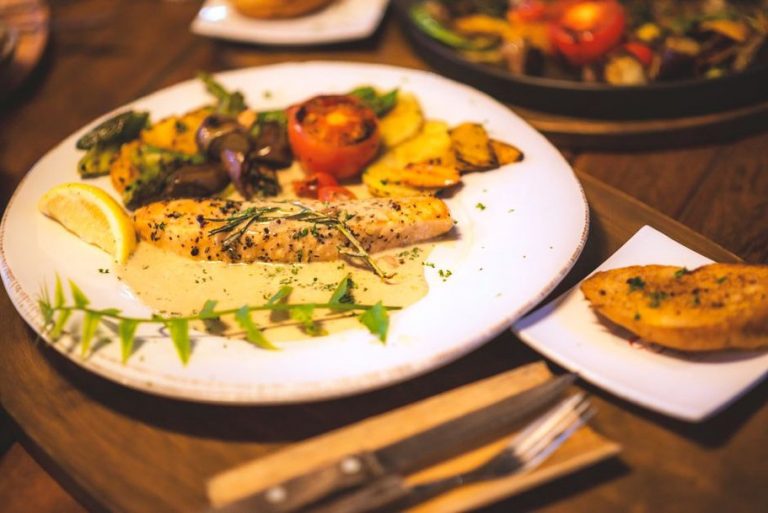
None of this means everyone must eat grains, legumes or dairy. It means paying attention to what a new diet adds as well as what it removes. Salmon with cooked greens and roasted sweet potato, for instance, offers a different mix of fiber and fat than steak with a large handful of nuts. Both meals may be called paleo.
How to assess a digestive change without overclaiming
Discuss persistent symptoms and major diet changes with a doctor before trying paleo for digestive comfort, especially if you plan to remove gluten and celiac testing might be relevant. Seek medical assessment rather than relying on an elimination diet if you have blood in your stool, unexplained weight loss, persistent vomiting, difficulty swallowing or symptoms that wake you from sleep.
Once medical concerns have been addressed, a simple comparison can tell you more than trying to interpret every sensation. Keep meal timing and portions reasonably steady where you can. Note a few outcomes that matter to you, such as stool frequency and consistency, abdominal pain and bloating. Record major changes in stress, sleep or routine as well. Patterns across comparable days are more useful than one uncomfortable dinner.
If a food seems troublesome, talk with your clinician or dietitian about bringing it back rather than assuming you need to avoid it forever. Trying one food at a time in a familiar meal makes the result easier to interpret. A stricter autoimmune protocol calls for particular care with both elimination and reintroduction: it is not an established cure for autoimmune or digestive disease, and prolonged restriction can make nutrition and social eating harder.

One practical comparison is between two lunches you would happily eat again: chicken with cooked squash, and the same meal with a modest serving of lentils. Keep the eating schedule similar, note how you feel and what happens with bowel movements over the following day, and bring any consistent pattern to a clinician or dietitian—not a self-diagnosis.