A brisk walk after lunch may fit easily between meals. A hard interval session is different: if you cut out grains and legumes without replacing the energy they provided, repeated workouts can leave you running low. Exercise can fit alongside paleo eating, but meals need to support the activity and recovery.
What exercise adds to a paleo approach
Paleo generally emphasizes vegetables, fruit, meat, fish, eggs, nuts, seeds, and sometimes tubers, while excluding grains, legumes, and dairy. It does not prescribe a workout. Walking, strength training, cycling, gardening, and recreational sport can all fit. Gentle or adapted movement counts, too; exercise is not a test of whether someone is doing paleo correctly.
Regular activity benefits cardiovascular fitness, muscle and bone health, sleep, and everyday function. None of those benefits is unique to paleo, and research has not established that combining paleo with exercise outperforms other adequately nourishing eating patterns for most people. Fitness changes depend heavily on the activity, recovery, total food intake, and individual circumstances.
If you start a new diet and training program at the same time, changes in energy or body composition are hard to attribute to either one. The more useful question is whether your meals provide enough food and variety to keep your chosen activities sustainable.
Match food to the work, not to a paleo stereotype
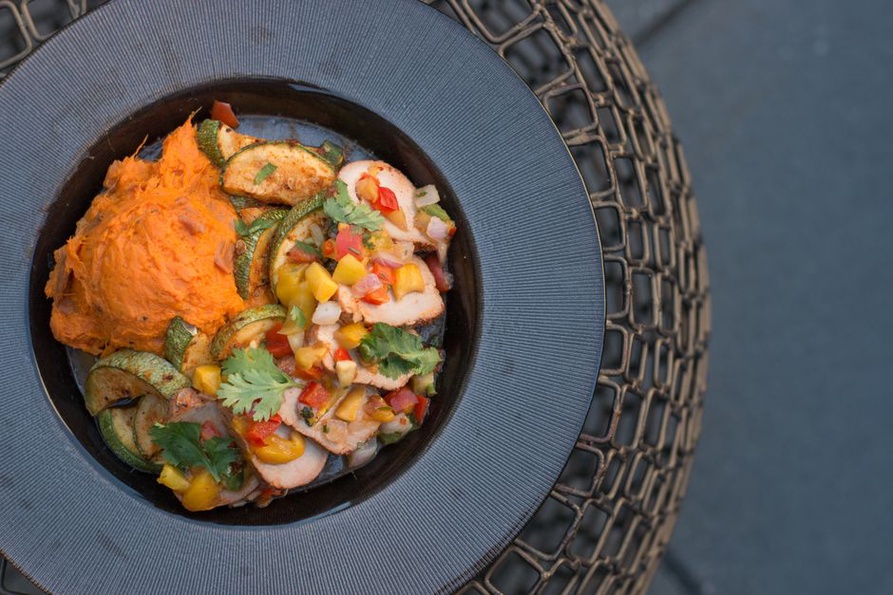
Paleo is often described as low-carb, but it need not be. Fruit, potatoes, sweet potatoes, squash, plantains, and other starchy vegetables can provide carbohydrate. An easy walk usually calls for no special fueling; long rides, repeated intervals, and demanding team sports place greater demands on available energy.
Carbohydrate helps replenish muscle glycogen, a stored fuel used during harder activity. If workouts start to feel unusually difficult while your meals contain plenty of vegetables and protein but little starch or fruit, review your overall intake. That feeling does not prove a specific deficiency. Adjust portions to appetite, training demands, and what you tolerate rather than a fixed paleo rule.
Protein supports muscle repair, but a large serving at dinner does not make up for consistently inadequate meals all day. Including protein-containing foods across meals is a practical approach. Fish, eggs, poultry, and meat offer different nutrients, so it helps not to rely on the same choice every time. Avocado, olive oil, and nuts can contribute energy as well, though a very fatty meal just before vigorous exercise may feel uncomfortable.
Training can reveal gaps in an otherwise appealing plate. If grain- and dairy-free meals have become small or repetitive, pay attention to total energy and nutrients such as calcium and iron as activity increases. More restriction is not a fitness strategy.
Plan meals around the session
Before exercise
For a short, comfortable walk, your usual meal schedule is generally enough. Before a longer or harder session, you might prefer a meal with carbohydrate and protein, plus a modest amount of fat, a few hours beforehand. Closer to exercise, a banana with an egg or leftover sweet potato with a little chicken may be easier to manage. There is no required paleo pre-workout food. Choose something familiar that gives you energy without upsetting your stomach.
Timing matters alongside ingredients. A large salad, a heavy serving of nuts, or a high-fiber meal just before a run may be hard to tolerate, even if it suits you at other times. Starting immediately after a substantial meal can cause similar trouble. Leave more time after a large meal when you can, or choose a smaller option.
After exercise
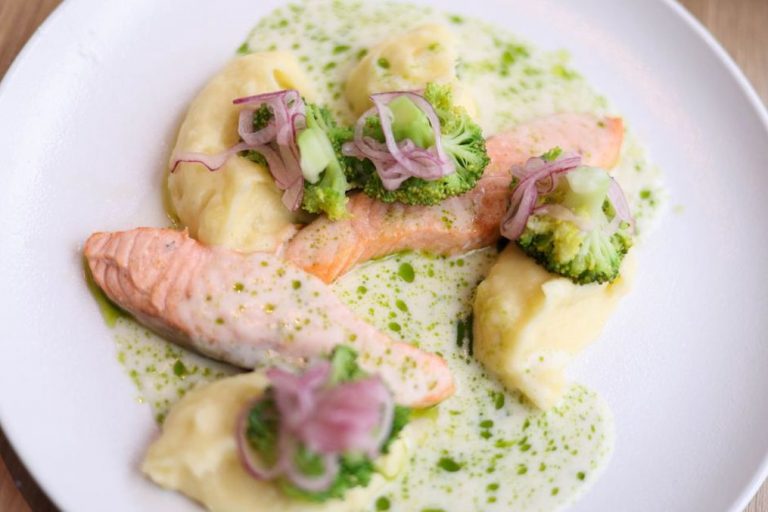
After a hard or prolonged session, a normal meal with protein and carbohydrate can support recovery. Salmon with potatoes and cooked vegetables, or eggs with roasted squash and fruit, covers more needs than protein alone. You usually do not need to race to eat within a narrow window, though timing matters more if another demanding session is coming soon or your meals are far apart.
After gentle activity, recovery may be as simple as eating your next regular meal and drinking to thirst. Every walk does not need its own fueling plan.
Use digestive feedback without blaming every symptom on food
Exercise can temporarily change digestion. During vigorous activity, blood flow shifts toward working muscles; bouncing and intense effort can make nausea, urgency, reflux, or cramping more noticeable. Heat, dehydration, stress, and meal timing may also contribute. A stomachache during a run does not automatically mean the food you ate beforehand is an intolerance.
If discomfort happens mainly during workouts, look at the circumstances first. How close was your last meal? Was it larger, fattier, or higher in fiber than usual? Was the session harder or hotter? Keeping the meal and its timing consistent over a few comparable workouts can help you spot patterns. Brief notes on activity, food timing, and symptoms will tell you more than eliminating several foods at once.
Some people feel comfortable taking a gentle walk after eating; others prefer to rest. Neither response sets a rule for everyone. Discuss persistent or worsening digestive symptoms, symptoms outside exercise, or changes that concern you with a clinician rather than adding more food exclusions.
Choose a mix of movement you can recover from
Your exercise routine does not need to resemble an imagined ancestral lifestyle. Walking and other aerobic activity build endurance, while resistance work helps maintain strength and muscle. Mobility and balance work support everyday movement, particularly as needs change with age. Enjoyment, access, health status, and recovery matter more than whether an activity seems especially “paleo.”
A manageable start might be regular walks and two strength sessions on nonconsecutive days, adjusted to your ability. You can use body weight, bands, or weights. If exercise is new to you, begin with shorter, easier sessions and build gradually. If you already train hard, adequate food and rest may be more useful than another workout.
Recovery is not a failure of discipline. Persistent soreness, falling performance, poor sleep, irritability, or feeling unusually drained are reasons to reassess training load and food intake. They are not reliable diagnostic signs on their own, nor should they be dismissed as a necessary effect of eating paleo.

Be careful when combining exercise with an elimination phase
An autoimmune protocol, or AIP, is more restrictive than a general paleo diet. Starting AIP while increasing exercise intensity can make fatigue or digestive changes harder to interpret. Smaller portions, reduced food variety, disrupted routines, and training stress may all play a part.
Keeping activity familiar during a substantial diet change reduces some of that confusion. If you already exercise, consider maintaining a tolerable routine rather than aiming for performance records during an elimination phase. If you are new to activity, start gently instead of pairing a restrictive diet with a demanding program. The point is not to avoid exercise; it is to avoid changing several variables at once.
Consistency helps with food reintroduction, too. A strenuous event, travel day, or unusually poor night’s sleep can muddy symptom observations after you test a food. Record those circumstances alongside meals instead of treating every reaction as a verdict. Because AIP can narrow food choices considerably, discuss substantial diet changes with a doctor and seek individualized nutrition guidance when needed. An elimination diet is not a substitute for medical care.
A practical way to adjust an active paleo routine
Rather than using one meal template every day, consider the activity you have planned and how you usually feel afterward:
- For a light day: Eat regular, satisfying meals. A walk or easy mobility session does not automatically call for an extra snack.
- For a demanding day: Make room for enough food, including a carbohydrate source you tolerate around training. Vegetables alone may not replace the energy in a substantial grain-based meal.
- For a sensitive stomach: Try changing meal size and timing before removing more foods. Stick with familiar options ahead of important sessions.
- For repeated fatigue: Check whether meals have become too small, training has increased too quickly, or sleep has suffered. Bring persistent concerns to a clinician.
- For a changing schedule: Keep convenient basics such as cooked potatoes, fruit, eggs, or leftovers on hand, so a late workout does not mean missing dinner.
These are adjustments to try, not targets everyone must meet. Someone lifting twice a week, a distance runner, and someone walking for mobility have different needs. Health conditions, medications, pregnancy, and a history of disordered eating can also affect what is appropriate. Discuss ongoing symptoms and diet changes with a doctor, and seek professional advice rather than using exercise to justify further restriction.
At the next workout that usually leaves you hungry, make one comparison: keep the session similar, then eat a familiar meal with protein and a starchy vegetable. Note how your energy and appetite through the rest of the day compare with your usual pattern.