A tender joint, a bloated abdomen, and a raised C-reactive protein result might all make someone think about inflammation. But they tell different stories. C-reactive protein (CRP) is a blood marker that can rise for many reasons; bloating by itself does not show that inflammation is present. That distinction matters when someone calls a paleo diet “anti-inflammatory.”
Paleo generally centers on vegetables, fruit, meat, fish, eggs, nuts, and seeds while excluding grains, legumes, and dairy. Some versions also limit highly processed foods and added sugar. Several of those changes might affect factors related to inflammation, but they happen together. It is hard to credit any improvement to the paleo label, let alone to one excluded food. A better question is what researchers have measured and what someone can reasonably notice in daily life without treating food as a diagnostic test.
What inflammation means in this conversation
Inflammation is part of the immune system’s response to infection or injury. A short-lived response can protect the body. Ongoing inflammation may accompany conditions as different as autoimmune disease, infection, and metabolic illness. Blood tests can measure certain inflammatory markers, but no single result identifies every cause or tells a person which foods to avoid.
The phrase “inflammatory food” blurs these differences. One person might have an allergic reaction to a food; another might experience gas because it ferments in the gut; a third might eat it without difficulty. Digestive discomfort can be real and disruptive without proving immune inflammation. Feeling better after changing meals matters, too, but it does not tell you whether a blood marker has fallen.
Diet may affect inflammation through overlapping routes, including dietary quality, energy intake, body weight, blood-sugar regulation, and interactions with the gut microbiota. Sleep, activity, medication, illness, and stress can also affect the picture. One ingredient is rarely a convincing explanation for a whole-body change.
Why paleo might change inflammatory markers
More produce and fewer heavily processed foods
If someone previously ate few plants, adding vegetables and fruit can bring more fiber, nutrients, and plant compounds into meals. Swapping highly processed snacks and sugary drinks for satisfying meals may improve overall dietary quality as well. Those are potential benefits of particular food choices—not evidence that grains or legumes are inherently harmful.
Nor is every paleo plate rich in plants. Meals built mostly around meat and coconut-based packaged substitutes may contain little fiber. A more varied option could pair fish or eggs with two kinds of vegetables, fruit, and an unsaturated fat such as olive oil or avocado. Portions will depend on appetite and nutritional needs.
Changes in energy intake and body weight
Some small studies have found improvements in weight, waist measurements, or metabolic markers among people eating paleo-style diets. If inflammatory markers change too, weight loss may help explain why. People may also eat differently because familiar desserts, snacks, and takeout choices are no longer part of their routine. None of that proves removing a particular food group directly reduced inflammation.
Weight loss is not a suitable goal for everyone. Eating too little can leave someone hungry, tired, or short of nutrients. Any assessment of paleo should include whether the meals are adequate and sustainable, rather than focusing only on a lab result or the scale.
Types of fat, rather than a paleo label
A paleo pattern might include fish, olive oil, and nuts, or it might lean heavily on fatty and processed meats. Both can carry the same label despite being nutritionally different. Varying protein sources and including fish when it suits the person is more useful than assuming every paleo-approved food affects inflammation in the same way.
No particular fat can be counted on to “turn off” inflammation. The wider eating pattern and a person’s health circumstances matter more than one fashionable ingredient.
What research can—and cannot—tell us
Paleo research includes small clinical trials and reviews looking at weight, blood glucose, blood lipids, and sometimes inflammatory markers such as CRP. Some results are encouraging. Still, studies often enroll few people, run for weeks or months rather than years, and define paleo differently. Participants may receive considerable dietary guidance, which could improve their food choices regardless of the exclusions.
The comparison diet matters. If one group swaps low-fiber convenience foods for vegetables and home-cooked meals, better results do not show that cutting out legumes or whole grains was necessary. On the other hand, a study that finds little difference cannot rule out a useful individual change. The evidence is too limited to say paleo consistently reduces chronic inflammation or treats an inflammatory disease.
Research on broader eating patterns offers some context: diets rich in varied plants and other minimally processed foods are often associated with favorable health outcomes. That supports attention to food quality, not every paleo restriction. Whole grains and legumes provide fiber and nutrients and fit into healthy diets for many people.
Common claims that need a closer look
“Grains and legumes cause inflammation”
That claim is too broad. Some people have a diagnosed condition that calls for a specific exclusion—celiac disease, for example, requires strict avoidance of gluten. Others have an allergy or notice digestive symptoms after certain foods. None of this means grains or legumes cause inflammation in everyone. Preparation, serving size, and the food itself can affect digestive tolerance; for people who eat them, legumes and whole grains can be valuable sources of fiber.
If celiac disease is a possibility, ask a clinician about testing before removing gluten. Avoiding it first can make standard testing less informative. Unexplained symptoms deserve assessment rather than an immediate assumption that a whole food group is to blame.
“All dairy is inflammatory”
Conventional paleo excludes dairy, but people respond to it differently. Lactose intolerance can cause gas and diarrhea; it is not the same as a milk allergy or proof of a general inflammatory response. Someone who tolerates dairy may give up a convenient source of calcium and protein by excluding it. Someone who does not may need help finding suitable replacements. The exclusion itself does not establish an anti-inflammatory benefit.
“Less bloating means less inflammation”
Bloating may change with meal size, fiber intake, fermentation, or bowel habits. A switch to paleo might temporarily reduce certain carbohydrates that ferment in the gut. It might also reduce fiber variety, which is not necessarily helpful over time. Diet–microbiota interactions are complex; neither a stool pattern nor how someone feels after dinner can show that gut inflammation has resolved.

Where the autoimmune protocol fits
The autoimmune protocol, or AIP, is more restrictive than standard paleo. During its elimination phase, people also avoid foods such as eggs, nuts, seeds, and nightshade vegetables before gradually reintroducing foods. It often comes up in conversations about inflammation because people with autoimmune conditions may wonder whether dietary changes affect their symptoms.
Research on AIP is limited. Improvements reported in small studies do not establish that it controls autoimmune disease or can replace medical treatment. Its stricter exclusions can also make it harder to eat adequately and manage everyday meals. AIP is not an automatic next step if ordinary paleo has not brought the hoped-for change.
If someone is considering an elimination approach, it helps to name the purpose: exploring a possible link between a food and a symptom, not shrinking the menu indefinitely in pursuit of “lower inflammation.” Discuss persistent symptoms and substantial diet changes with a doctor. A registered dietitian can help check nutritional adequacy and plan reintroductions, especially when someone has a health condition or is excluding several foods.
How to assess a personal response without overinterpreting it
It is reasonable to notice whether a way of eating is manageable and whether symptoms change. Changing ten things at once, though, makes it hard to attribute a result to one food. A few simple steps can make observations more useful without turning every meal into an experiment:
- Clarify the outcome. Choose something you can describe, such as how often bloating occurs after meals, rather than a vague goal of “less inflammation.” If a clinician is monitoring a diagnosed condition or lab marker, follow their plan for interpreting it.
- Record the starting pattern. For a short baseline period, jot down ordinary meals, symptom timing, sleep, stress, and bowel changes. Brief notes are usually more useful than recording every sensation.
- Keep meals adequate and varied. Eat enough food and include a range of plants, along with suitable proteins and fats. If you exclude dairy, grains, or legumes, think about where calcium, fiber, and other nutrients will come from.
- Do not treat one good day as a verdict. Symptoms fluctuate. Travel, illness, menstrual cycles, medication changes, and portion sizes can all complicate an apparent food pattern.
- Plan how foods return. If you have excluded a food for a defined reason, a methodical reintroduction may tell you more than leaving it out indefinitely. Ask a clinician or dietitian when reintroduction is inappropriate, as it may be with a known allergy.
A symptom journal can bring patterns into view, but it cannot measure inflammation or diagnose food intolerance. If tracking makes eating stressful, simplify the notes or pause with professional support. The goal is useful information, not another set of rules around every bite; [mindful eating on paleo and AIP without adding food rules] looks at that distinction in everyday meals.
Making a paleo pattern more balanced
If paleo helps someone organize meals, what replaces the excluded foods matters. Rotating leafy greens, cruciferous vegetables, roots, berries, and other fruit gives more variety than eating the same salad daily. Some people find cooked vegetables more comfortable than large raw portions. Protein can come from fish, eggs if tolerated, poultry, and other sources; olive oil, avocado, nuts, and seeds can add fats where appropriate.
Pay particular attention to fiber. Removing beans and whole grains can lower intake unless vegetables, fruit, nuts, and seeds make up a substantial share of meals. A sudden increase in fiber can cause gas, too. Gradual changes and enough fluids may feel better than a large plate of raw vegetables all at once. Tolerance varies from person to person; it is not a test of whether a food is inherently inflammatory.
Calcium may be harder to obtain without dairy, and a narrow menu can leave other nutritional gaps. Children, pregnant people, people with a history of disordered eating, and anyone managing a chronic condition need particular caution and individualized medical guidance before adding restrictions. There is no nutritional advantage to keeping an exclusion that offers no clear benefit and makes adequate eating harder.
When diet is not the right first explanation
Persistent pain, ongoing diarrhea, blood in the stool, unexplained weight loss, fever, or symptoms that disrupt daily life call for medical evaluation—not paleo troubleshooting. Less dramatic symptoms are worth discussing with a doctor if they persist, especially before a major diet change. If a clinician has diagnosed an inflammatory condition, food choices can be part of the conversation about care, not a substitute for treatment or monitoring.
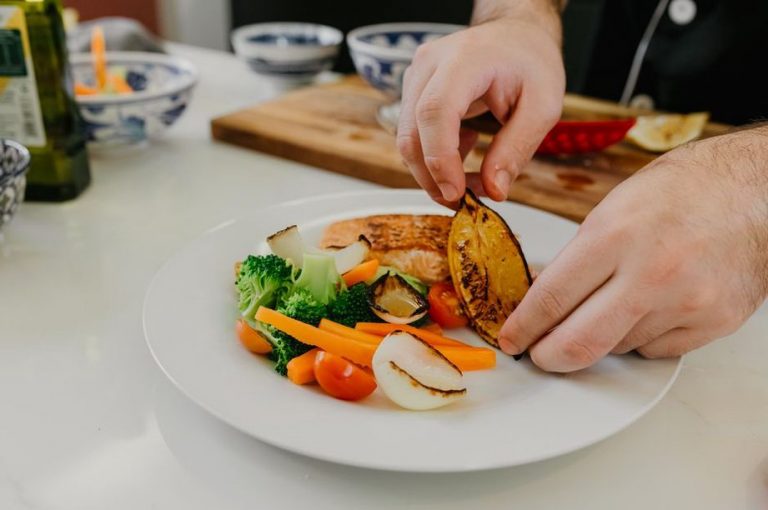
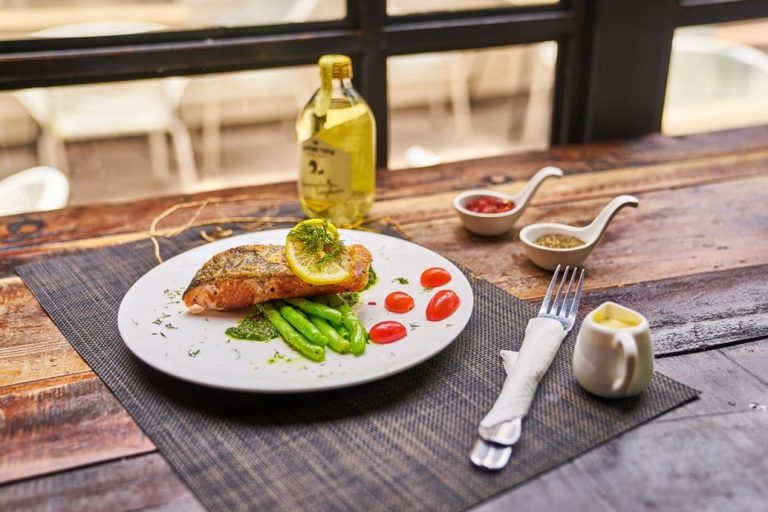
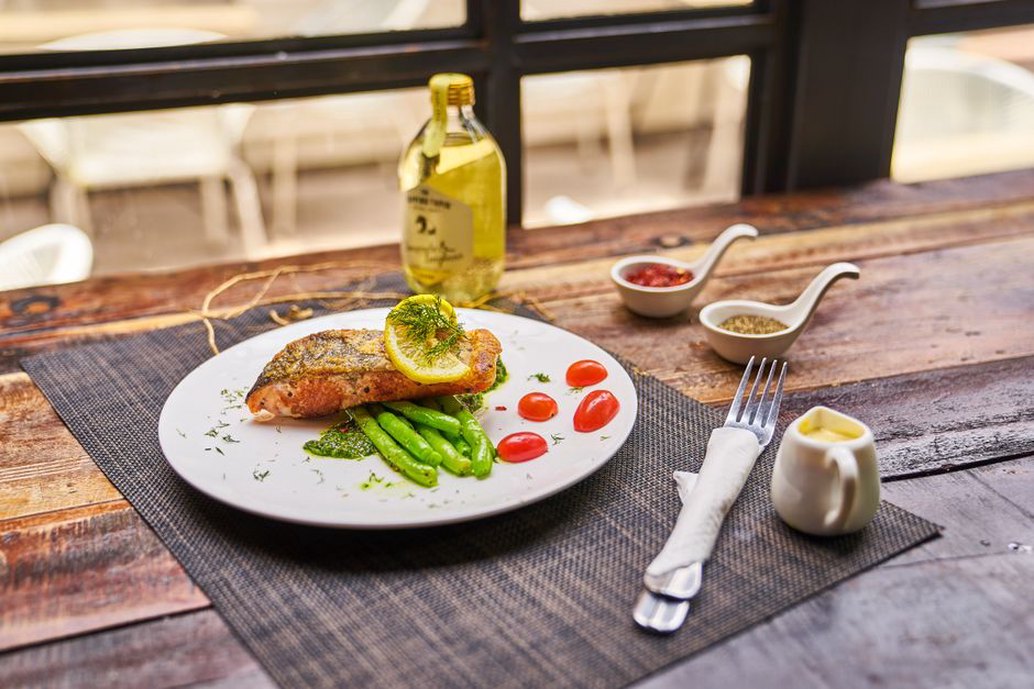
As a starting observation, write down one regular meal—say, salmon, roasted carrots, greens, and olive oil. Compare its portion and timing with meals after which symptoms occur. Bring that concrete pattern to a clinician rather than labeling either the meal or the symptom “inflammatory.”