

You’ve stripped out grains, legumes, dairy, and refined sugar. Your kitchen looks like a farmer’s market exploded — meat, fish, eggs, vegetables, fruit, nuts, and seeds. Yet your jeans still feel tight after dinner, and that low-grade abdominal distension hasn’t budged. For a subset of people who transition to a paleo template, bloating persists. The culprit is often not a failure of the diet itself, but a gap in the logic: some of the most nutrient-dense, whole foods allowed on paleo are also high in fermentable carbohydrates called FODMAPs (Fermentable Oligosaccharides, Disaccharides, Monosaccharides, and Polyols).
This article unpacks the overlap between paleo-approved foods and high-FODMAP ingredients, explains the mechanism behind the gas and discomfort, and offers a practical, step-by-step approach to identify your personal tolerances — without abandoning the core principles of a nutrient-dense, ancestral diet.
What Are FODMAPs, and Why Do They Cause Trouble?
FODMAPs are short-chain carbohydrates that resist digestion in the small intestine. Instead of being absorbed, they travel to the large intestine, where gut bacteria ferment them rapidly. This fermentation produces hydrogen, methane, and carbon dioxide — gases that stretch the intestinal wall and trigger bloating, pain, and altered motility in sensitive individuals. The key word here is sensitive: not everyone reacts to FODMAPs, and tolerance varies widely based on your unique microbiome composition, gut motility, and baseline inflammation.
The FODMAP acronym covers five groups:
- Oligosaccharides: Fructans and galacto-oligosaccharides (GOS) — found in wheat, onions, garlic, legumes, and some fruits and vegetables.
- Disaccharides: Lactose — present in dairy products.
- Monosaccharides: Excess fructose — when fructose exceeds glucose in a food (e.g., apples, pears, honey, mangoes).
- Polyols: Sorbitol, mannitol, xylitol, maltitol — naturally occurring in stone fruits like cherries, plums, avocados, and mushrooms, and added as sweeteners in processed products.
Most paleo enthusiasts eliminate grains and legumes, which removes a major source of fructans and GOS. Dairy is also often dropped, removing lactose. That leaves two major categories still on the plate: excess-fructose fruits and high-polyol vegetables. These are the foods that often catch people off guard.
Paleo-Approved Foods That Are High in FODMAPs
Below is a practical reference table of common paleo staples and their primary FODMAP triggers. This is not an exhaustive list, but it covers the most frequent offenders reported by readers.
| Food | FODMAP Group | Serving Size That May Trigger |
|---|---|---|
| Apple | Excess fructose | > 1 medium (approx. 180g) |
| Pear | Excess fructose + sorbitol | > ½ medium |
| Mango | Excess fructose | > ½ cup (75g) |
| Watermelon | Excess fructose | > 1 cup (150g) |
| Honey | Excess fructose | > 1 tablespoon |
| Avocado | Sorbitol | > ⅛ of a whole avocado |
| Mushrooms (button/portobello) | Mannitol | > ½ cup (75g) |
| Cauliflower | Mannitol | > ¾ cup (75g) |
| Garlic | Fructans | > 1 clove |
| Onion (all varieties) | Fructans | > ¼ small onion |
| Cashews | GOS (galacto-oligosaccharides) | > ¼ cup (35g) |
| Pistachios | GOS + fructans | > ¼ cup (30g) |
| Dates | Excess fructose + sorbitol | > 2 dates |
Notice that many of these foods are otherwise excellent sources of vitamins, minerals, and fiber. The goal is not to demonize them, but to understand the dose-response relationship. A handful of cashews (about 10 nuts) may be well tolerated; a whole cup of cashew cream in a paleo “cheese” sauce can provoke significant bloating.
The Paleo Autoimmune Protocol and FODMAPs
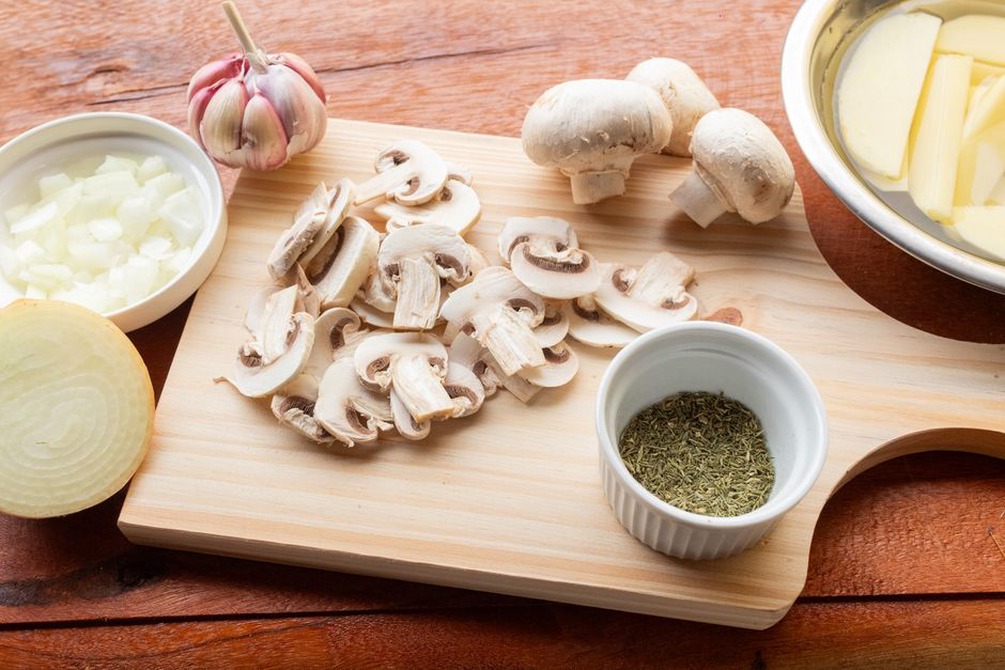
The Autoimmune Protocol (AIP) — a stricter elimination version of paleo — removes eggs, nuts, seeds, nightshades, and spices in addition to grains, legumes, and dairy. This often reduces FODMAP load significantly because nuts and seeds (particularly cashews, pistachios, and sunflower seeds) are eliminated, and many high-FODMAP fruits are also excluded during the elimination phase. However, AIP still allows high-FODMAP vegetables like onions (in bone broth), garlic, cauliflower, mushrooms, and certain fruits like dates (used for sweetness) and avocado. If you are on AIP and still experiencing bloating, the FODMAP content of your foundational foods deserves attention.
A Practical Strategy: The Two-Week Overlap Audit
Rather than abandoning paleo or blindly following a full low-FODMAP diet (which can be unnecessarily restrictive and low in prebiotic fiber), you can run a targeted overlap audit. This is a temporary, structured experiment to identify which FODMAP groups you personally handle well and which ones trigger your symptoms.
Week One — Baseline Low-FODMAP Paleo
For seven days, eat only foods that are both paleo-approved and low in FODMAPs. This is a narrow but nourishing list:
- Proteins: Meat, poultry, fish, eggs (if tolerated — if on AIP, skip eggs).
- Vegetables (low-FODMAP): Carrots, zucchini, spinach, kale, lettuce, bell peppers, cucumber, potatoes (including sweet potatoes in moderate amounts), green beans, bok choy, radishes.
- Fruits (low-FODMAP): Bananas (firm, not overripe), oranges, grapes, strawberries, blueberries, kiwi, cantaloupe, pineapple.
- Fats: Olive oil, coconut oil, avocado oil, tallow, lard, ghee (if dairy-tolerant).
- Nuts/seeds (low-FODMAP): Pecans, macadamia nuts, walnuts, pine nuts, chia seeds (limit to 2 tablespoons), hemp seeds.
- Herbs and seasonings: Salt, black pepper, basil, oregano, rosemary, thyme, turmeric, ginger (fresh or dried).
Garlic and onion are eliminated for this week. Use garlic-infused olive oil (the FODMAPs are not fat-soluble, so only the flavor remains) or asafoetida powder as a substitute. Keep a simple symptom diary: rate bloating (0–10) and stool consistency daily.
Week Two — Systematic Challenge
After the baseline week, reintroduce one FODMAP group every two days, testing with a moderate serving of a single high-FODMAP paleo food. For example:
- Day 1–2 challenge: Excess fructose — eat one medium apple with lunch.
- Day 3–4 challenge: Sorbitol — eat half an avocado with a meal.
- Day 5–6 challenge: Fructans — cook with one clove of garlic in a stir-fry.
- Day 7–8 challenge: GOS — eat a quarter-cup of cashews.
Continue eating the low-FODMAP baseline foods during challenge days, only swapping the test food in. Record any symptoms that appear within 4–6 hours of the challenge meal. If symptoms return consistently, you’ve identified a personal trigger group. Most people can eat limited amounts of a trigger food — the key is finding your individualized threshold, not labeling any food as permanently forbidden.
What About Fiber and the Microbiome?
A legitimate concern with temporarily reducing high-FODMAP vegetables is the loss of prebiotic fibers that feed beneficial bacteria (Bifidobacteria, Lactobacilli, and Faecalibacterium prausnitzii). The baseline week above deliberately includes low-FODMAP prebiotic sources such as green bananas (resistant starch), cooked and cooled potatoes (retrograded starch), chia seeds (mucilage fiber), and leafy greens. This approach maintains microbial diversity while removing the fermentable carbohydrates most likely to cause acute gas production.
After the audit phase, you can gradually reintroduce higher-FODMAP prebiotic foods (e.g., onions, garlic, leeks, asparagus) in small amounts, monitoring tolerance. The goal is a diet that is both nutrient-dense and symptom-friendly — not one that permanently restricts fiber intake.
Beyond Food: Common Non-Dietary Confounders
If the FODMAP overlap audit does not resolve your bloating, consider these factors:
- Swallowed air (aerophagia): Eating too quickly, talking while eating, chewing gum, or drinking carbonated water increases intraluminal air.
- Stress and gut-brain axis: Elevated cortisol alters gut motility and permeability. A short mindful breathing exercise (2 minutes before meals) can reduce air swallowing and improve digestion.
- Gastric emptying rate: Large, high-fat meals delay stomach emptying, which can make any fermentable carbohydrate linger longer. Try reducing portion sizes and spacing high-fat and high-FODMAP foods into separate meals.
- Hydration: Chronic low water intake slows peristalsis and can exacerbate bloating from any food.
None of these are diagnoses, but they are modifiable patterns worth examining before concluding that you “can’t eat any vegetables.”
The paleo template is a powerful foundation for reducing inflammation and improving metabolic health. But it was never designed as a one-size-fits-all solution for digestive symptoms. By acknowledging the FODMAP overlap and running a structured audit, you stay in control of your diet without blindly cutting out foods you love. Start with the two-week overlap audit above, keep a simple symptom log, and let your own body — not a generic list — dictate what works for you. If symptoms are severe, persistent, or associated with unintended weight loss, discuss your findings with a healthcare provider before making long-term dietary changes.