White potatoes are out during AIP elimination because they are nightshades. Sweet potatoes, despite the name, are generally allowed. If potatoes used to anchor your meals, you don't need to replace them with one perfect substitute. A few different roots and tubers can cover different jobs on the plate.
Roots can add satisfying carbohydrates alongside meat, fish, and other vegetables. They also provide fiber and varying amounts of potassium, vitamin C, and plant pigments. But “root vegetable” is not an AIP category: the plant family matters, as do preparation and your own tolerance.
Which roots fit AIP elimination?
The autoimmune protocol, or AIP, is a temporary elimination-and-reintroduction approach. Its elimination phase generally excludes nightshades, grains, legumes, nuts, seeds, eggs, and dairy, among other foods. Many familiar roots and tubers fit, but check the whole dish, not just the vegetable named on the package.
- Common AIP-friendly options: sweet potatoes, carrots, parsnips, beets, turnips, rutabagas, celeriac, radishes, cassava, taro, and Jerusalem artichokes.
- A familiar exception: white, red, and yellow potatoes are all nightshade potatoes. A different skin color does not make them suitable for AIP elimination.
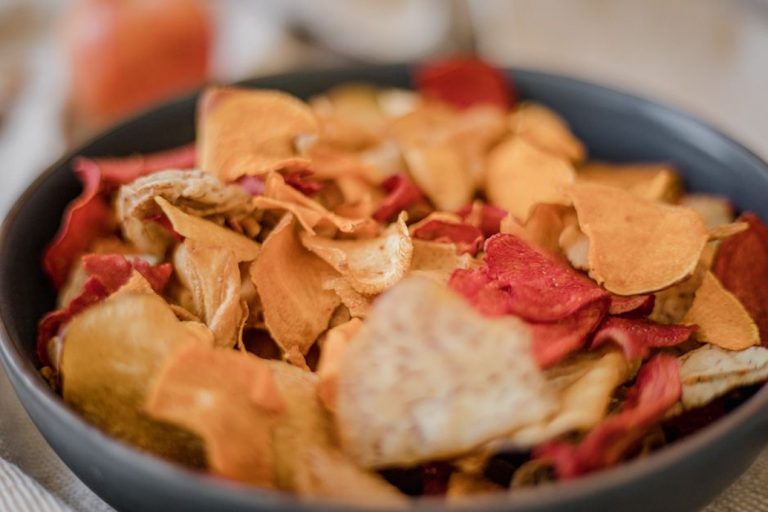
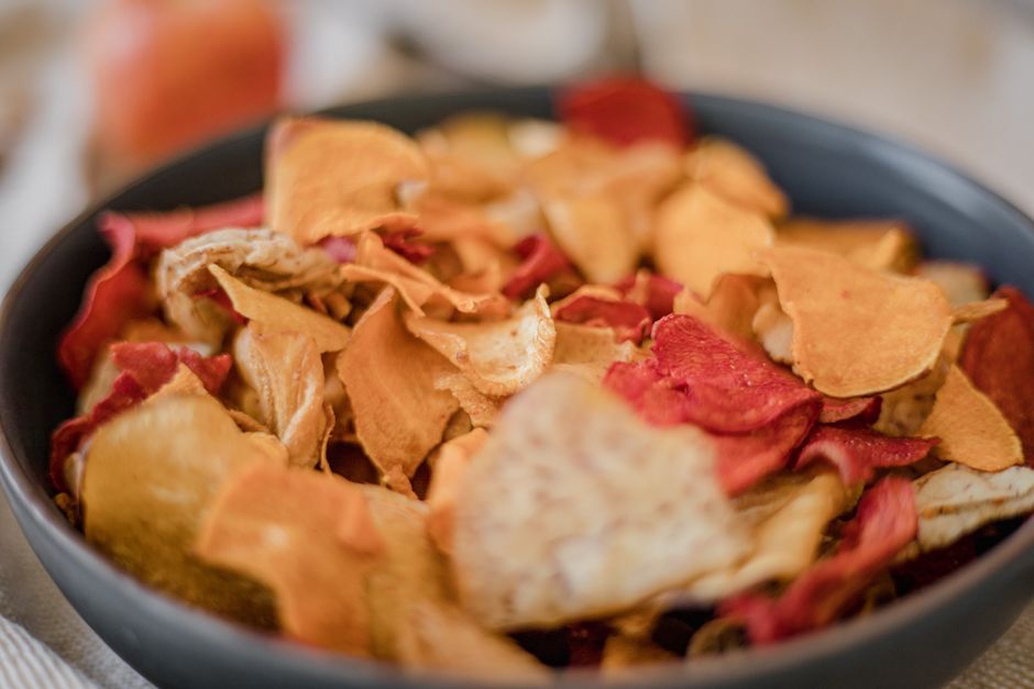
- Check the finished product: root-vegetable chips, frozen fries, and mash mixes may contain nightshade seasonings, seed spices, dairy, or other excluded ingredients.
Sweet potatoes and white potatoes are different species; sweet potatoes are not nightshades. Yams are different again, though produce signs vary by region and orange-fleshed sweet potatoes are sometimes sold as “yams.” If you're unsure what you're buying, check the produce label rather than relying on a recipe's casual naming.
Choose for variety, not a single “best” root
Color can help you vary what you buy, but it isn't a complete nutrient score. Orange sweet potatoes and carrots supply beta-carotene, which the body can convert to vitamin A. Purple sweet potatoes and beets contain different pigments. Parsnips and rutabagas bring their own mix of fiber and micronutrients. Nutrient amounts vary with the variety, portion, and cooking method.
Think about what you want the root to do in the meal:
| Root or tuber | Useful qualities | Practical use |
|---|---|---|
| Sweet potato | Starchy; orange-fleshed varieties are especially rich in beta-carotene | Roast wedges, steam cubes, or mash |
| Carrot | Beta-carotene and a naturally sweet flavor | Roast with a savory meal or simmer in soup |
| Parsnip | Starchy texture and gentle sweetness | Roast with turnips or blend into a purée |
| Beet | Distinctive color and earthy flavor | Roast, steam, or add cooked cubes to a bowl |
| Turnip or rutabaga | Less sweet alternatives to a starchy side | Braise, roast, or mix into a mash |
| Celeriac | Celery-like flavor and a firm texture | Dice for soup or cook until tender for mash |
| Cassava or taro | Dense, carbohydrate-rich tubers | Cook thoroughly for a substantial side |
None needs to appear every day. Carrots in soup, roasted rutabaga beside fish, and sweet potato at breakfast make for more variety over a week than the same large serving of mash at every meal. Budget and availability matter too. A familiar local root you know how to cook may be more useful than a costly specialty tuber.
Starchy versus lighter sides
Cassava, taro, and sweet potatoes make substantial carbohydrate sides. Radishes and turnips add texture but may not fill the same role, especially if the serving is small. If dinner feels skimpy after you swap a potato for a few roasted radishes, the plate may simply need a more substantial carbohydrate source.
Roots don't have to carry the meal alone. Serve them with a source of protein and other vegetables as tolerated, rather than counting on one root to provide everything.
Prepare them safely and make them taste good
Roasting brings out sweetness and browns the edges; steaming gives a softer texture; simmering lets you blend firmer roots into soup. Wash roots well before cutting. Peeling many familiar vegetables is a matter of preference, but remove rough or damaged areas.
Cassava needs particular care. It contains naturally occurring compounds that can release cyanide if prepared improperly. Don't eat it raw or assume a quick sear is enough. Peel it and cook it thoroughly according to reliable instructions for the form you bought; follow package directions for prepared frozen cassava. Taro also needs thorough cooking: eaten raw, its calcium oxalate crystals can irritate the mouth and throat.
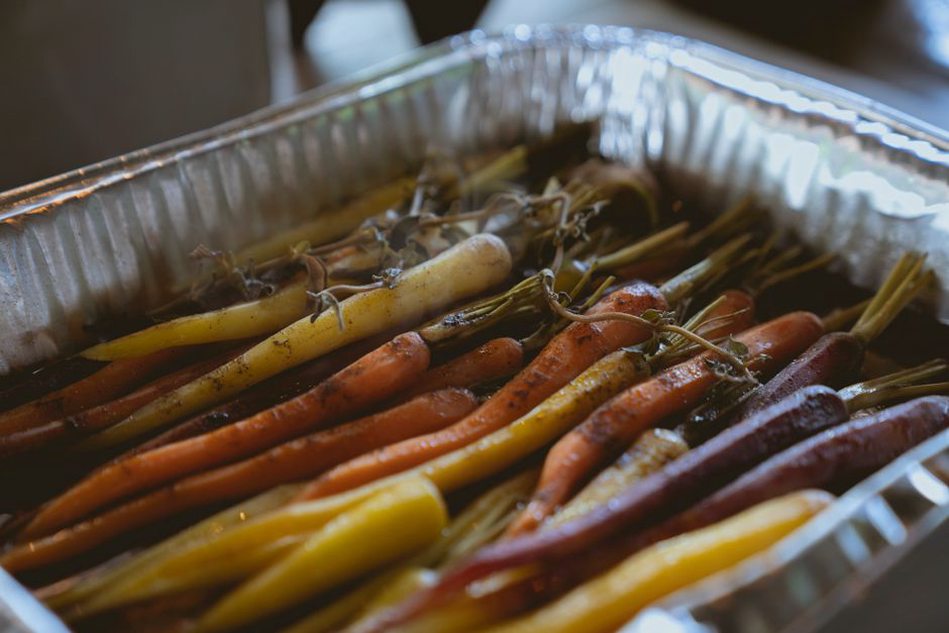
For an easy roasting tray, cut carrots and parsnips into similar-size pieces and turn them as they cook until tender and browned. Cook beets separately if you don't want them to stain everything else. Celeriac can discolor after cutting, so prepare it close to cooking time. A squeeze of citrus after roasting, if tolerated, brightens sweeter roots without relying on a seed-based spice blend.
When roots cause digestive discomfort
“AIP-friendly” means a food fits the elimination rules. It doesn't mean every portion will feel comfortable to digest. Fiber, serving size, cooking method, and what else you ate can all make a difference. A large plate of raw radishes, for example, is quite different from a small serving of tender cooked turnips.
Jerusalem artichokes are one to approach cautiously if you tend to get bloated. Despite the name, they aren't related to globe artichokes. They're tubers rich in inulin, a fermentable fiber that can cause gas even though the food fits AIP rules. If you want to try them, a small cooked portion may be easier to assess than a full serving at dinner. Cassava products and sweet potato dishes can also turn into unexpectedly large servings when they become your default stand-in for bread or potatoes.
One uncomfortable meal doesn't establish which ingredient caused it. Note the portion, how it was cooked, what else you ate, and when symptoms began. Look for a pattern before cutting out every root. For help balancing those observations against unnecessary restriction, see Using Body Cues During AIP Without Becoming Overly Restrictive. Discuss persistent symptoms or planned diet changes with a doctor; a restrictive diet is not a substitute for medical care.
Build a workable rotation
Keep two or three roots on hand and you can vary meals without chasing novelty: perhaps one starchy choice, one quick-cooking choice, and one for soup. Bake sweet potatoes while carrots roast, then dice a small celeriac into soup later in the week. Store produce according to its needs. Keep sound white potatoes or sweet potatoes in a cool, dry place rather than the refrigerator; refrigerate trimmed carrots and other roots that wilt readily. White potatoes still remain off the menu during AIP elimination.
A simple rotation could look like this:
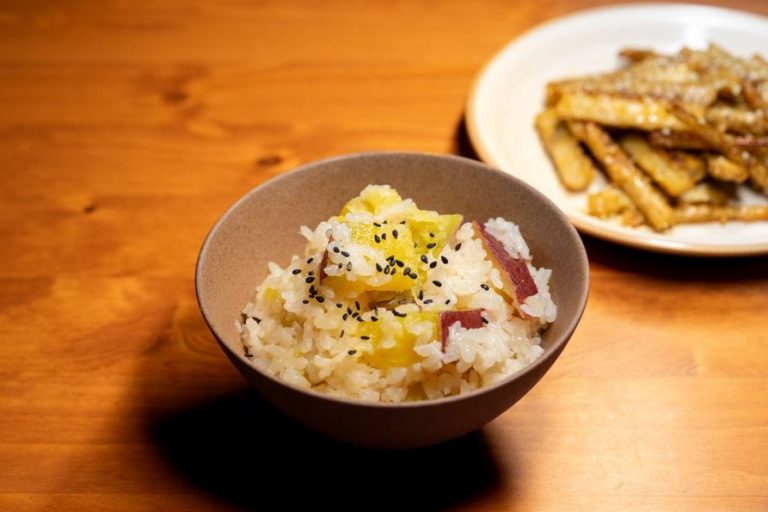
- Roast sweet potato wedges for a filling side with a protein and greens.
- Use cooked carrots and parsnips in a blended soup later in the week.
- Try turnip or rutabaga cubes in a stew, adjusting the portion to appetite.
During elimination, keep track of what's in each dish so later observations are useful. Reintroduction is a separate, deliberate step, not a reason to quietly add white potatoes to a mixed meal. If AIP makes it difficult to eat enough or keep meals varied, discuss the plan with your doctor or a qualified dietitian.
To compare a few options in your own kitchen, roast equal-size pieces of carrot, parsnip, and turnip on one tray, each in its own section. Taste them beside the same meal, then put any leftovers in tomorrow's soup.