
Hunger, fullness, nausea, bloating, fatigue, and food cravings can offer useful clues, but none is a diagnostic test on its own. During the Autoimmune Protocol (AIP), it is easy to treat every sensation as proof that a food is either “good” or “bad.” A steadier approach is to notice patterns, consider the context, and avoid turning normal body variation into a reason for further restriction.
AIP is a structured elimination-and-reintroduction framework. Intuitive eating is a broader set of skills for responding to hunger, satisfaction, practical needs, and emotional wellbeing without rigid food rules. The two can work together, provided intuitive eating does not become “eat whatever sounds appealing” and AIP does not turn into a long-term test of willpower. The aim is attentive, flexible eating that still provides enough nourishment.
Two approaches with different jobs
The elimination phase of AIP temporarily removes several food groups, including grains, legumes, dairy, eggs, nuts, seeds, nightshades, alcohol, and certain additives. The purpose is to simplify the diet for a limited period, then test foods deliberately during reintroduction. It is not meant to prove that every excluded food is harmful forever, and it is not a treatment for autoimmune disease.
Intuitive eating does not require a specific food list. It encourages awareness of internal cues alongside real-life factors such as budget, culture, schedule, cooking access, medical needs, and food availability. Fullness can be delayed. Hunger may be dulled by stress or illness. A food you want may not be available. Listening to your body means treating signals as evidence, not following every signal as an instruction.
Used thoughtfully, AIP can offer temporary structure while intuitive-eating skills help prevent chronic dieting habits. The goal is not perfect compliance. It is a routine that supplies enough energy, nutrients, pleasure, and useful information for the next decision.
What body signals can—and cannot—tell you
Some signals call for an immediate practical response. A growling stomach, low energy, irritability, headache, or trouble concentrating may mean a meal was delayed or too small. Comfortable fullness after eating can suggest that the portion and pace were satisfying. Pain, persistent diarrhea, vomiting, blood in stool, unexplained weight change, or trouble swallowing need medical attention rather than home experimentation.
Other signals are harder to interpret. Bloating after dinner may relate to the food itself, but it can also reflect meal size, eating speed, constipation, carbonated drinks, menstrual-cycle changes, stress, poor sleep, or several fermentable foods eaten across the day. A rise in fatigue can have many causes beyond one ingredient. One uncomfortable afternoon is usually weak evidence.
Look for repeatable patterns, not single events
A useful observation has three qualities: it happens more than once, appears within a similar timeframe, and holds up after other explanations are considered. If a reintroduced food is followed by the same symptom on two separate, otherwise ordinary days, that tells you more than one meal eaten after a sleepless night or a stressful event.
Keep notes brief enough to maintain. Recording every bite, calorie, or body sensation can raise anxiety and make eating feel like surveillance. A simple log might include:
- meal timing and a general description of the meal;
- hunger before eating and fullness afterward, using ordinary words rather than scores if preferred;
- digestive comfort, skin changes, pain, energy, or sleep that feel relevant;
- context such as illness, travel, major stress, alcohol, unusual exercise, or poor sleep;
- any intentional food reintroduction and the amount eaten.
The blog’s guide to reading Paleo food labels and spotting hidden ingredients can help when packaged foods make an AIP trial difficult to interpret. Checking ingredients is useful when it resolves a genuine uncertainty, not when it turns into a search for microscopic imperfections.
Use hunger and fullness as flexible guides
Elimination diets can lead people to ignore hunger because permitted foods feel repetitive or inconvenient. That can mean under-eating early in the day, followed by intense hunger, grazing, or feeling out of control later on. AIP meals still need to be substantial.
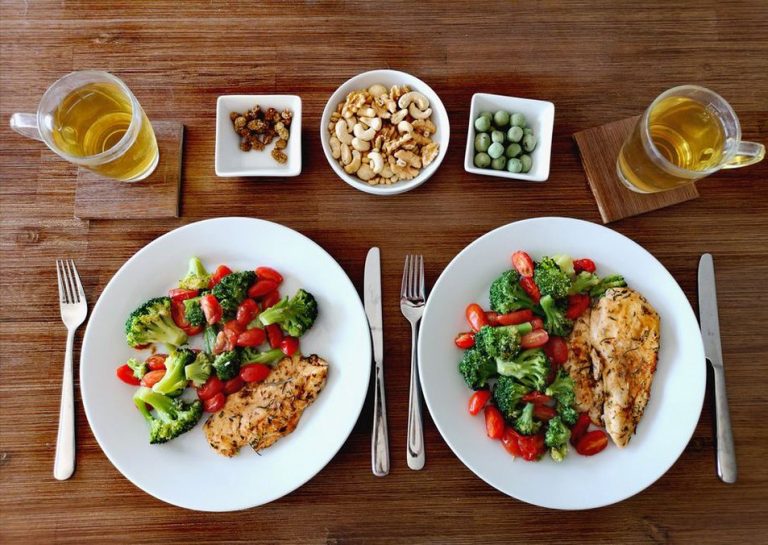
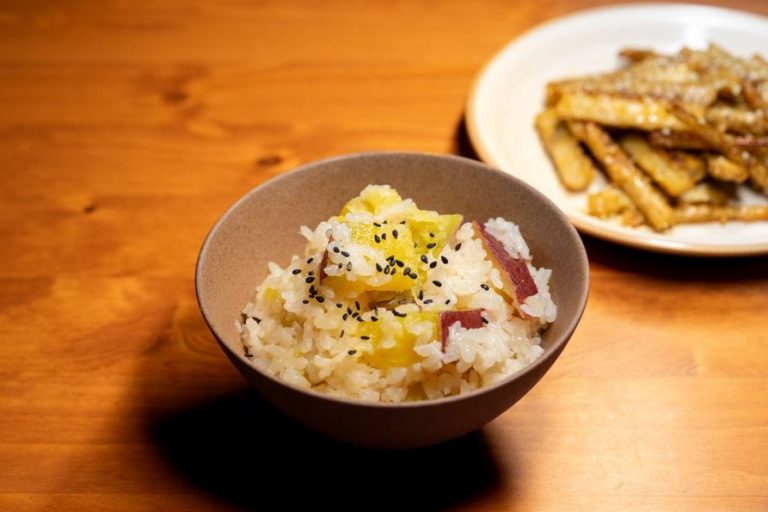
A practical plate often includes a protein source, carbohydrate-rich vegetables or fruit, colorful vegetables, and a tolerated fat. Starchy foods such as sweet potato, plantain, winter squash, cassava, taro, or fruit may be especially helpful for people who feel depleted on a very low-carbohydrate version of Paleo. Needs differ with body size, activity, health conditions, and life stage, but ongoing hunger is information worth acting on.
When cues are muted or confusing
Not everyone reliably feels hungry at conventional meal times. Stress, medication effects, digestive conditions, neurodivergence, pregnancy, aging, a history of restrictive eating, and irregular work hours can all affect appetite signals. In these situations, gentle external structure can still be part of body listening.
Someone who regularly reaches late afternoon shaky and ravenous may benefit from a planned lunch, even if hunger is subtle at noon. Someone recovering from illness may need small, regular meals that are easier to tolerate. A person with reflux may feel better with meal timing and portions that reduce symptoms. These are practical adjustments, not failures of intuition.
Fullness needs nuance, too. Stopping at the first sign of fullness is not always helpful, especially after a rushed meal, when food is unfamiliar, or when someone has been undernourished. Aim for comfortable enough: physically settled, reasonably energized, and not preoccupied with finding more food shortly afterward. Satisfaction matters. A technically compliant meal that leaves you unsatisfied may lead to persistent food thoughts or frantic snacking.
Make AIP meals satisfying within the framework
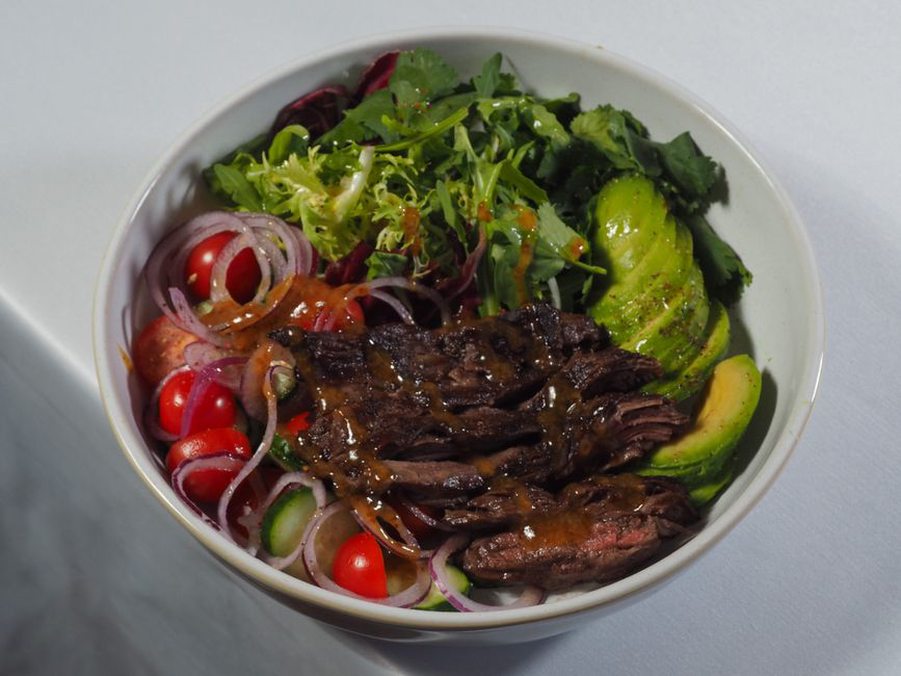
Food satisfaction is not a luxury. Texture, warmth, flavor, familiarity, and enough food all affect whether a routine is sustainable without resentment. During the elimination phase, variety can come from cooking methods, herbs, aromatics, vegetables, fruits, proteins, and sauces made with tolerated ingredients, rather than a constant search for substitute versions of excluded foods.
Batch-cooking a plain protein and vegetables can save time, yet each serving can taste different with a bright herb sauce, roasted fruit, a creamy coconut-based soup, crisp lettuce cups, or a warm bowl of root vegetables. For help choosing suitable fats for roasting, sautéing, and dressing, consult the practical guide to cooking fats for Paleo and AIP.
Approach cravings with curiosity rather than suspicion. Wanting something sweet may reflect appetite, habit, enjoyment, inadequate meals, or a need for quick energy. A desire for salty, crunchy food may be about texture or convenience. A craving does not prove a deficiency, addiction, or food sensitivity. Before giving it a dramatic meaning, consider the ordinary explanations: eat a balanced meal, hydrate, rest if possible, and choose an AIP-compatible option that genuinely sounds acceptable.
Reintroductions are where attention becomes most useful
AIP becomes more personal during reintroduction. The pace and order should be individualized, ideally with a clinician or dietitian familiar with elimination diets. This is especially important for people with medical conditions, a history of eating disorders, unintended weight loss, or complex digestive symptoms.
In general, test one food at a time while keeping the rest of the diet fairly stable. Start with a small amount, observe what happens, and avoid introducing several new foods on the same day. If symptoms occur, pause and return to a familiar baseline before deciding whether another trial makes sense. If no clear issue appears, include the food again on another day in an ordinary portion. This gives you more information than declaring a food safe or unsafe after a single bite.
| Instead of | Try |
|---|---|
| “I felt bloated, so this food is toxic.” | “I noticed bloating. I will consider the meal, portion, timing, and whether it repeats.” |
| “I broke AIP, so I have failed.” | “Something outside the plan happened. I can return to my next ordinary meal.” |
| “No symptoms means unlimited amounts are fine.” | “This amount seemed tolerable. I can test how it fits into my usual pattern.” |
| “I must avoid this forever.” | “This may not work well right now. I can revisit it later with appropriate support.” |
Watch for rigidity disguised as discipline
Structure can feel calming; rigidity tends to make life smaller. Signs that an elimination approach may be becoming overly restrictive include skipping social occasions out of fear, expanding the list of forbidden foods without a clear reason, frequent guilt after eating, compulsive label checking, persistent fatigue, food preoccupation, or avoiding meals despite hunger. These experiences call for support, not more rules.
It is also possible to be too casual about symptoms. Persistent digestive distress, new or worsening symptoms, nighttime symptoms, dehydration, severe pain, rectal bleeding, fever, unexplained weight loss, or signs of an allergic reaction require prompt medical assessment. AIP cannot identify the cause of these problems and should not delay care.
Discuss significant dietary changes and persistent symptoms with a physician. A registered dietitian can assess nutritional adequacy and guide reintroductions, particularly when the food list has become narrow or eating feels stressful. Mental health support can be just as important when food rules, body checking, or fear take up substantial mental space.
A small practice for the next meal
Before eating, pause long enough to name one practical need: more energy, something gentle, a satisfying meal, convenience, or simply food before hunger becomes urgent. Build the best available AIP-compatible option around that need. Afterward, write down one neutral fact: “I was comfortably full for three hours,” “the raw vegetables felt like too much today,” or “I enjoyed the warm meal.” Specific observations provide useful information without demanding perfect eating.