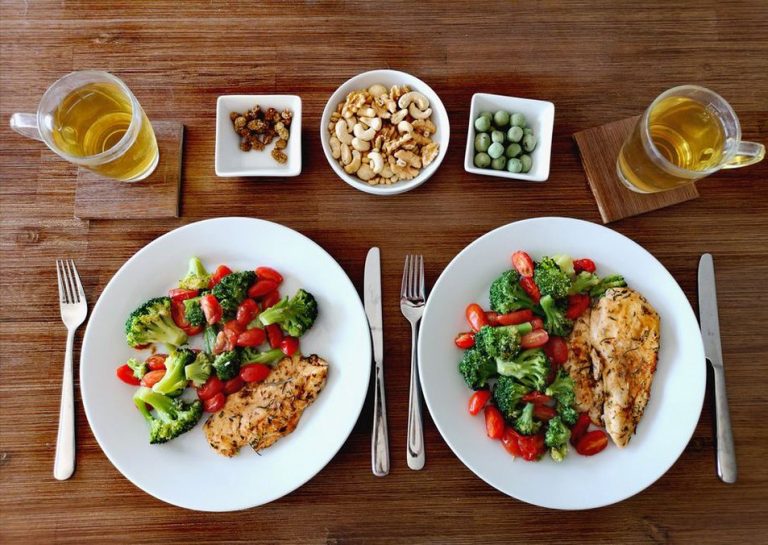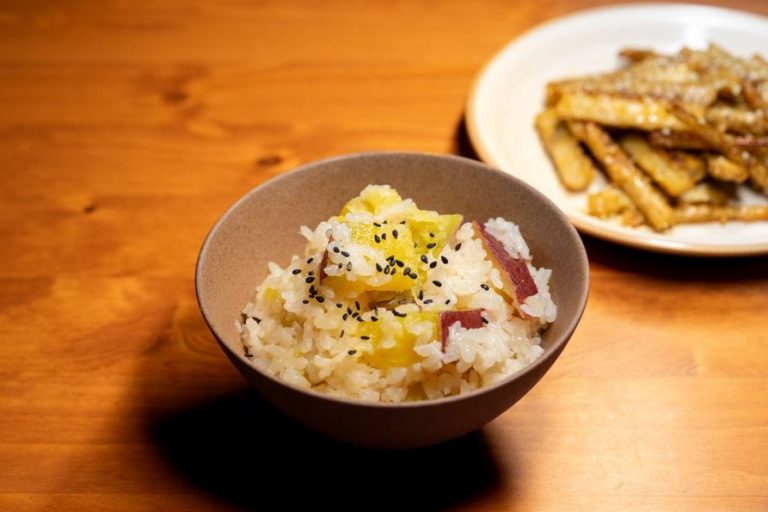
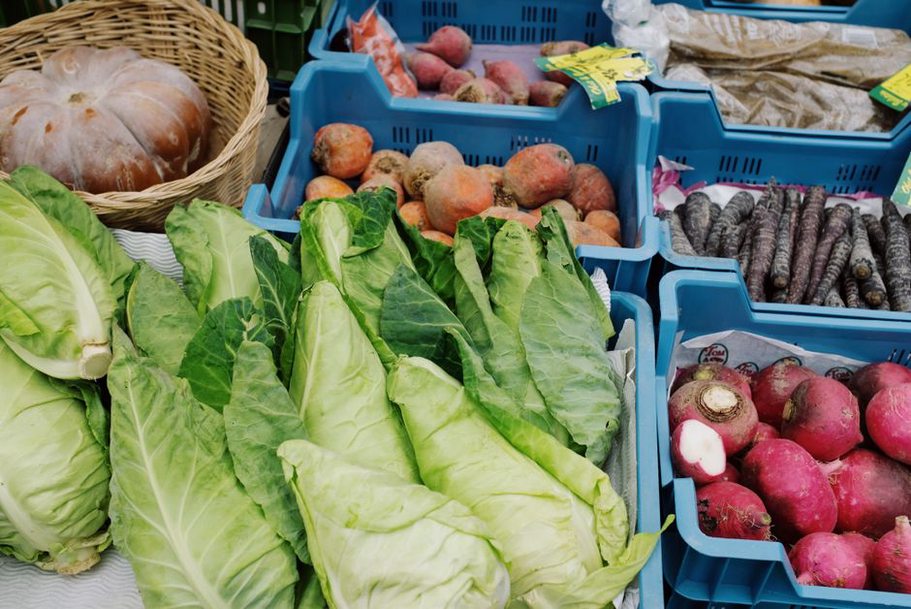
Let your plate shift with the year instead of eating the same menu every month. Winter may bring roasted roots, cabbage, squash, stews, and citrus. Summer might mean berries, tomatoes, cucumbers, grilled fish, and fresh herbs. This does not require perfect local sourcing. It is simply a practical way to build meals around produce that is often easier to find, more affordable, and more enjoyable at its peak.
A paleo-style pattern generally centers on minimally processed foods: meat, fish, eggs if tolerated, vegetables, fruit, nuts, seeds, and cooking fats. Seasonal eating adds flexibility, not another restriction. The goal is not to recreate a specific ancestral menu or reject every imported food. It is to notice changes in availability and use them to keep meals varied and satisfying.
What “seasonal” means in real life
Seasonal can mean food grown outdoors and harvested locally during the current season, but the useful definition is broader. Frozen berries picked at peak ripeness, canned tomatoes without added sugar, and stored apples or winter squash can all fit a seasonal-style approach. Climate, farming methods, and regional trade vary widely, so a calendar from another country is only a rough guide.
Rather than treating seasonality as a purity test, ask yourself:
- What produce is abundant and good quality where I live right now?
- Which familiar foods could I rotate in for a few weeks?
- What preparation suits the weather and my digestion?
Leafy greens may be available year-round, for example, but spring peas, asparagus, radishes, and tender herbs can still make meals feel different. In late summer, zucchini, peppers, tomatoes, and berries may be easy to use often. During colder months, stored roots, brassicas, mushrooms, and frozen produce offer dependable foundations.
Why seasonality can fit a paleo approach
The clearest benefit is variety. A paleo menu can easily narrow to a few dependable foods—chicken, eggs, broccoli, sweet potato, and avocado, for instance. Those foods can be nutritious, yet eating them on repeat can become dull and leave less room for the different fibers and plant compounds found in vegetables, fruit, herbs, and mushrooms.
Research on the gut microbiome is still developing, and no single food can “fix” digestion. A varied diet with plant foods does provide different kinds of fiber and other compounds that intestinal microbes can use. The NIH overview of how diet can alter the gut microbiome is a useful reminder that food patterns can affect microbial communities relatively quickly, although responses differ from person to person.
Seasonal rotation can also help you stop treating a few foods as nutritional obligations. If a large raw salad feels uncomfortable in cold weather, cooked greens, roasted carrots, or vegetable soup may be easier to enjoy. By spring, lighter meals can break up heavier winter cooking without sacrificing protein or enough food overall.
Seasonal eating is not automatically more nutritious
Freshness, storage time, variety, soil conditions, handling, and preparation all influence a food’s nutrient content. Seasonal produce may taste better or cost less, but it is not automatically higher in every nutrient. Frozen vegetables and fruit are useful staples when local options are limited, budgets are tight, or time is short.
The same principle applies to animal foods. Rotating proteins through the year—fish, poultry, meat, shellfish where tolerated, and eggs where included—may be useful. There is no reason to force unfamiliar foods just because they seem more “natural.”
Build meals around a seasonal template
A repeatable structure keeps seasonal eating from becoming a complicated planning project. Start with a protein, add one or two vegetables, include a satisfying fat, and use seasonal produce or herbs to change the flavor and texture.
| Season | Useful paleo-friendly foods | Low-effort meal direction |
|---|---|---|
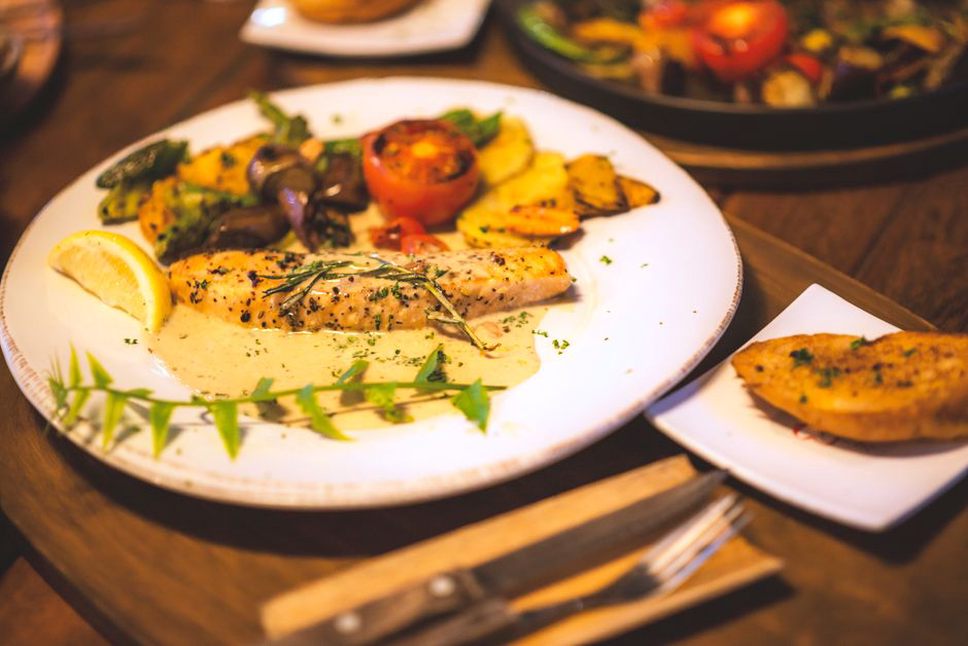
| Spring | Asparagus, greens, radishes, herbs, peas if included | Roasted salmon with asparagus and lemon-herb dressing |
| Summer | Berries, zucchini, tomatoes, cucumbers, green beans | Grilled chicken with zucchini and a cucumber-herb salad |
| Autumn | Apples, pears, squash, mushrooms, cabbage | Ground meat skillet with squash, mushrooms, and greens |
| Winter | Roots, brassicas, stored squash, citrus, frozen berries | Slow-cooked meat with carrots, cabbage, and roasted squash |
Use these as starting points rather than strict prescriptions. If you follow an autoimmune protocol or another elimination phase, you may need to adjust ingredients, seasonings, and fats. During a structured elimination period, seasonal variety can come from permitted vegetables, fruit, herbs, and cooking methods instead of constantly expanding the food list.
Adjust texture and preparation for digestive comfort
Adding more plant variety is not always helpful when it happens all at once. Large amounts of raw vegetables, onions, garlic, cruciferous vegetables, legumes, or high-fiber fruit can cause gas, bloating, or discomfort for some people. These symptoms do not prove a specific condition, and they do not automatically mean a food is harmful.
Change one variable at a time: portion size, frequency, raw versus cooked form, or the combination of foods in a meal. Soups, stews, roasting, sautéing, peeling tougher skins, and thoroughly cooking cruciferous vegetables may improve tolerance for some people. A gradual approach usually gives you more useful information than adding several new seasonal foods in the same week.
A brief food-and-symptom record can help when a pattern seems consistent. Note the food, approximate portion, preparation method, meal timing, and symptoms without assuming immediate causation. Persistent digestive symptoms, unintended weight loss, blood in stool, fever, severe pain, or major changes in bowel habits need medical assessment rather than further self-restriction. The NHS guidance on IBS symptoms and when to seek help offers general safety information, but personal symptoms still deserve discussion with a clinician.
Use seasonal rotation without creating food rules
Seasonal eating can be especially useful after a restrictive phase, when meals start to feel repetitive. Reintroductions, though, work best when handled deliberately. If you excluded a food because of symptoms, bringing it back at the same time as several seasonal changes makes the result harder to interpret. Keep the reintroduction food and its preparation consistent, then allow time to observe tolerance before adding another variable.
It also helps to separate seasonal inspiration from a requirement to eat only local food. Bananas, avocados, olive oil, frozen vegetables, and canned fish may not be local, yet they can still fit a balanced paleo-style routine. Access, cultural food preferences, cost, allergies, and available energy for cooking matter more than meeting an idealized standard.
A simple monthly planning practice
- Choose two vegetables and one fruit that are currently abundant or on sale.
- Pick one preparation for each: roast, sauté, blend into soup, grill, or serve chilled.
- Use them in familiar meals before looking for new recipes.
- Keep one frozen or shelf-stable backup so your plan does not depend on perfect shopping conditions.
For a simple winter rotation, buy carrots, cabbage, and frozen berries. Roast carrots for two dinners, braise cabbage alongside a protein for another meal, and add a small portion of berries to breakfast or a coconut-based dessert if tolerated. After two weeks, swap carrots for beets or parsnips, and cabbage for kale or Brussels sprouts. Discuss persistent digestive symptoms, major dietary changes, or a highly restrictive elimination plan with a doctor or registered dietitian before narrowing your choices further.