A probiotic is a live microorganism shown in studies to provide a health benefit when consumed in an adequate amount. That is more specific than “anything fermented,” and far more specific than “anything marketed for gut health.” On a Paleo diet, the distinction matters. Fermented vegetables, dairy-free yogurt, and capsules may all contain microbes, but they are different products with different evidence behind them.
Paleo eating can include plenty of foods that support the gut environment—vegetables, fruit, herbs, nuts and seeds when tolerated, seafood, and minimally processed proteins—without requiring a probiotic supplement. Probiotics may suit some people, but they are not an essential Paleo fix. They do not diagnose or treat digestive, autoimmune, or chronic conditions.
What probiotics can and cannot do
The digestive tract contains a large and varied microbial community. Diet, medication use, sleep, stress, infections, travel, age, and other factors can affect it. Probiotics do not usually “repopulate” the gut permanently in a simple way. Their effects are often temporary and strain-specific: while consumed, a particular organism may interact with the intestinal environment, affect fermentation, or support aspects of barrier and immune function.
Probiotic research can be difficult to interpret because studies use different strains, combinations, doses, participant groups, and outcomes. A benefit seen with one named strain cannot automatically be applied to another strain in the same species. Labels that list only broad categories such as Lactobacillus or Bifidobacterium are less informative than those that include the genus, species, and strain.
For someone without a diagnosed condition, a realistic goal is often modest: finding out whether a carefully chosen fermented food or product fits comfortably into regular meals. It is not reasonable to expect probiotics to erase food reactions, make up for a highly restricted diet, or resolve persistent bloating, pain, bowel changes, fatigue, or unintentional weight loss.
Where probiotics fit within Paleo principles
Paleo approaches vary. Some include cultured dairy when it is well tolerated, while others exclude dairy altogether. Some use strict elimination phases, including the Autoimmune Protocol (AIP); others follow a broader whole-food pattern. There is no single universal Paleo food list, so probiotic choices need to suit the version of the diet a person is following and why they are following it.
Fermented foods that may fit
Fermentation is a food-making process, not a guarantee of a probiotic effect. Heat treatment after fermentation can reduce or eliminate live organisms, and refrigerated products can differ substantially from shelf-stable ones. Even so, some foods can be practical sources of live cultures when they are made and stored appropriately.
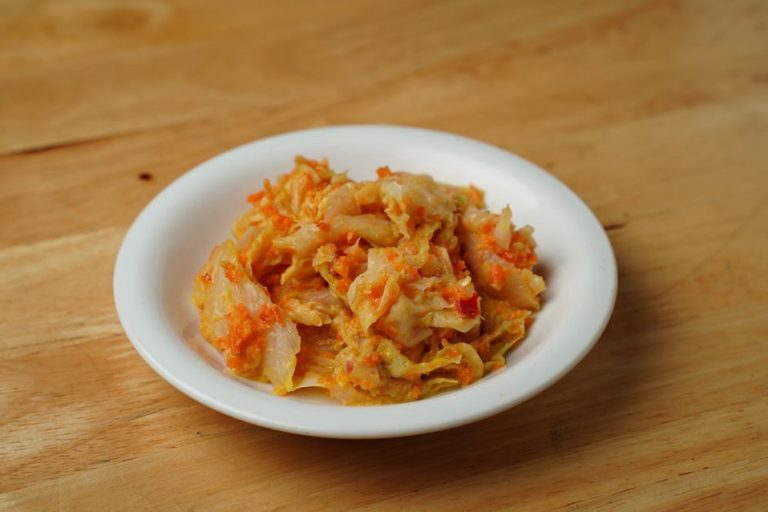
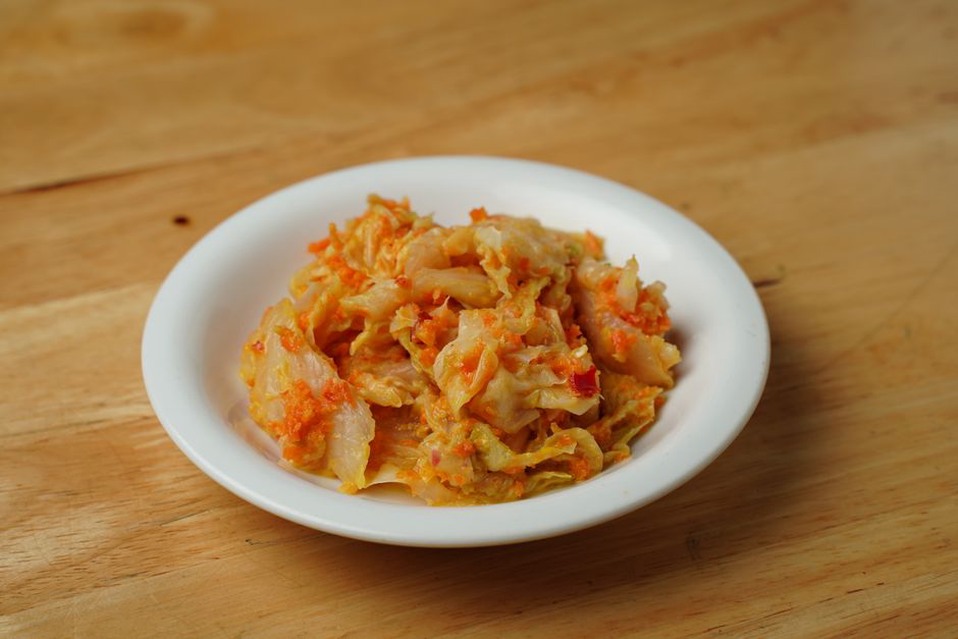
- Raw or refrigerated sauerkraut and kimchi: Look for products described as unpasteurized or containing live cultures. Check ingredients carefully, particularly if you avoid chili, garlic, onion, seed spices, or added sugar.
- Fermented vegetables: Cucumbers, carrots, beets, and other vegetables fermented in salt brine can fit a Paleo pattern. Vegetables pickled in vinegar are different: they can still be enjoyable, but they are not usually live fermented foods.
- Water kefir or kombucha: These may fit some Paleo plans, though sweetness, carbonation, acidity, caffeine, and individual tolerance can be limiting. They should not be viewed as concentrated therapeutic probiotics.
- Cultured coconut yogurt: Unsweetened options may work well for dairy-free Paleo eating. Check for added gums, starches, sweeteners, and listed live cultures.
- Yogurt or kefir from dairy: These fit only for people whose Paleo approach includes dairy and who tolerate it. Fermentation changes some milk components, but it does not make dairy suitable for everyone.
Fermented foods also contain acids, histamine and other biogenic amines, fermentable carbohydrates, and seasonings. Feeling unwell after eating them does not prove that “probiotics are bad.” The issue may be the portion size, the food itself, ingredients such as garlic or chili, carbonation, or an unrelated change in routine. The earlier discussion of fermented foods on a Paleo diet, including benefits and tolerance can help sort through these practical factors.
Supplements are not simply fermented food in capsule form
A probiotic supplement can be appealing because it provides a defined product without the salt, spices, lactose, or variable ingredients found in food. Still, supplements vary in quality and, in many places, are not regulated in the same way as prescription medicines. Labels may list the microorganisms, an amount expressed as colony-forming units (CFUs), storage instructions, and an expiration date. More CFUs do not automatically mean a better product or a stronger effect.
For someone following an elimination-style diet, a supplement may contain ingredients that do not fit the plan, such as milk-derived components, soy, prebiotic fibers, flavorings, or capsule materials. That calls for careful label reading; it does not mean supplements are automatically unsuitable.
Why Paleo transitions can change digestive comfort
A shift toward Paleo often changes both fiber intake and fiber type quite quickly. Replacing grains and legumes with vegetables, fruit, root vegetables, nuts, seeds, and coconut can raise intake of certain fermentable carbohydrates, while cutting packaged foods may reduce others. These changes can affect stool patterns, gas, and fullness even when the new diet is thoughtfully planned.
Adding fermented foods or probiotics at the same time creates a common problem: if symptoms change, it can be difficult to know whether the cause is a new supplement, more vegetables, a high-FODMAP food, a change in meal timing, or several changes at once. A gradual approach is usually more informative than introducing several gut-health products in the same week.
A Paleo diet is more likely to support microbial diversity through plant-food variety than through reliance on a single product. Different plant foods provide different fibers and plant compounds. Variety does not mean huge portions or forcing foods that repeatedly cause discomfort. It may simply mean rotating leafy greens, squash, berries, cooked and raw vegetables as tolerated, herbs, and Paleo-compatible starches over the week.
| Approach | Potential advantage | Practical limitation |
|---|---|---|
| Small serving of one fermented food | Fits into ordinary meals and adds flavor | Live cultures and ingredients vary by product |
| Dairy-free cultured food | May suit people avoiding dairy | Can contain gums, sweeteners, or added starches |
| Named-strain supplement | More standardized than most foods | Benefits remain strain- and person-specific |
| Broader plant-food variety | Supports overall dietary quality and provides microbial substrates | Changes should still be gradual when digestion is sensitive |
A careful way to test tolerance
If you want to include a probiotic food, there is no need to start with a large serving. A small, consistent amount is usually easier to assess than switching among several fermented foods while also taking a supplement. Keep the rest of your diet reasonably steady during the trial when possible.
- Choose one variable. Pick one food or one supplement instead of starting a probiotic blend, kombucha, sauerkraut, and a new fiber powder at the same time.
- Check the ingredient list. Consider dairy, garlic, onion, chili, sweeteners, gums, and other ingredients that may matter on Paleo or AIP-style eating.
- Start below a typical serving. For fermented vegetables, that might mean a small forkful rather than a bowlful. Follow supplement directions and discuss their use with a qualified clinician when appropriate.
- Watch for a simple pattern. Record the food, approximate amount, timing, and noticeable changes in comfort, stool pattern, skin symptoms, sleep, or other relevant factors. One difficult day is not enough to draw a conclusion.
- Pause rather than push through significant symptoms. If discomfort persists or clearly worsens, stop the new item and seek individual guidance instead of increasing the amount.
A brief food-and-symptom record can reduce guesswork, especially during an elimination phase. The goal is not to inspect every sensation; it is to create enough context to notice repeatable patterns. If tracking starts to increase anxiety or restriction, simplify the record or consider working with a dietitian rather than gathering more data.

Special considerations during AIP and other elimination phases
During a strict elimination period, repetitive meals can feel safer. Too much restriction, however, can make nutritional adequacy and a workable relationship with food harder to maintain. Fermented foods are not required on AIP and can be left out temporarily if they complicate symptoms, ingredient control, or meal planning.
When reintroductions are appropriate, testing one food at a time is generally more useful than treating “probiotics” as one category. Sauerkraut, coconut yogurt, dairy kefir, and kombucha differ considerably, so a person may tolerate one but not another. The same applies to cultured vegetables made with different seasonings and fermentation methods.
Home fermentation calls for extra care. Clean equipment, reliable methods, correct salting, and appropriate storage are basic food-safety practices. Do not taste a product that is visibly moldy, smells unpleasantly rotten, has a swollen container, or comes with uncertainty about how it was prepared. Homemade ferments are not a substitute for medical care or a way to manage a suspected infection.
When professional advice matters more than experimentation
Probiotics are not suitable for every situation. People who are severely ill, immunocompromised, hospitalized, have central venous catheters, or live with complex medical conditions should seek clinical advice before using probiotic supplements or unpasteurized fermented foods. Extra caution is sensible for infants, older adults with significant health concerns, and anyone with a history of serious infection or major gastrointestinal surgery.
Discuss persistent digestive symptoms and substantial dietary changes with a doctor. Prompt medical assessment is particularly important for blood in the stool, black stools, ongoing vomiting, fever, severe or worsening abdominal pain, dehydration, unexplained weight loss, difficulty swallowing, or bowel changes that do not settle. An elimination diet should not replace evaluation for these concerns.
For a simple first trial, add a teaspoon or small forkful of a plainly seasoned, refrigerated fermented vegetable to a familiar meal for several days, while leaving the rest of the menu unchanged. Note the product, portion, and any repeatable digestive changes. That is far more useful than adding several probiotic products at once.