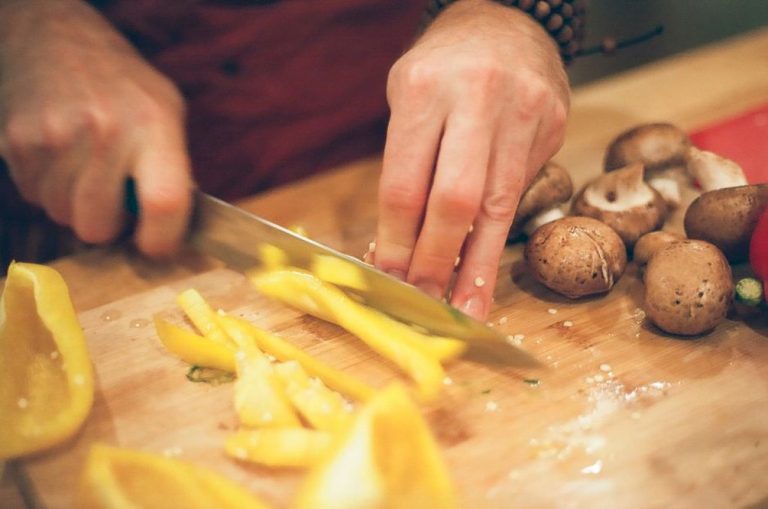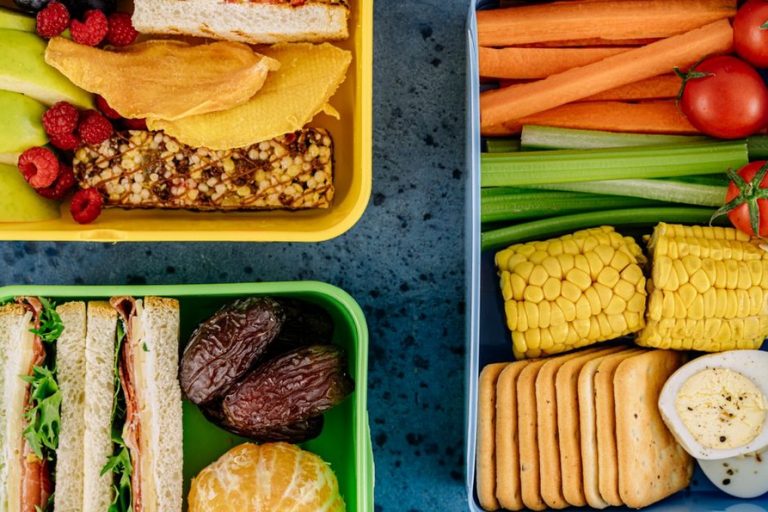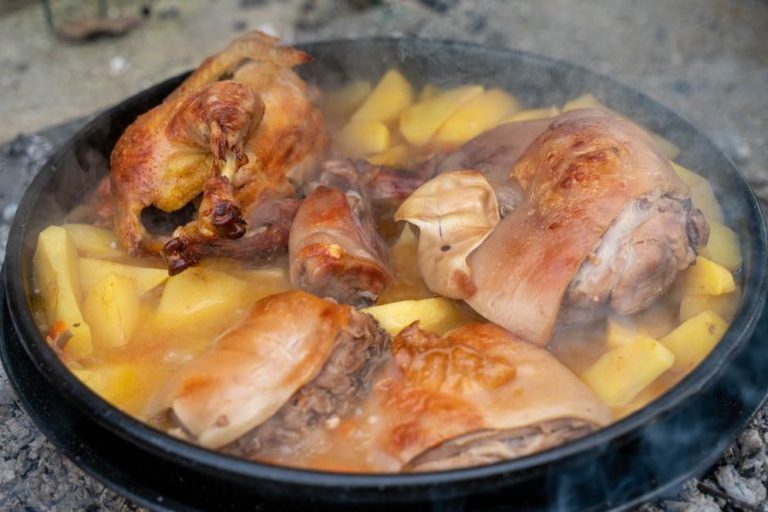
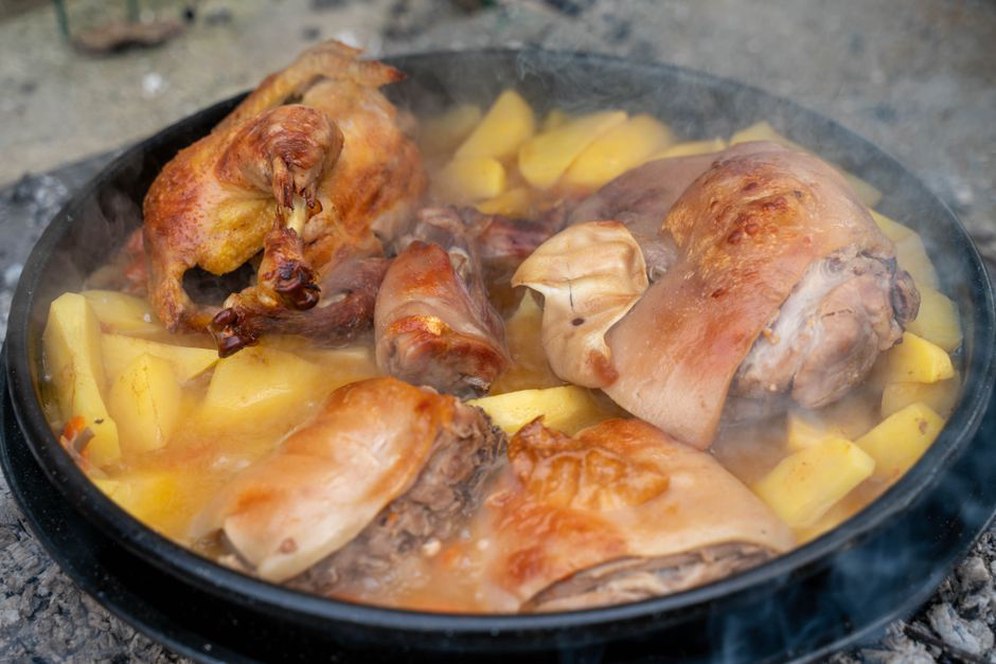
Raw cauliflower, a generous serving of onion, or a rushed plate of dry chicken can all be AIP-compliant and still leave you uncomfortable afterward. During the elimination phase of the Autoimmune Protocol, ingredients matter, but so do texture, cooking time, portion size, and how quickly you eat. Cooking cannot resolve digestive conditions or make every food tolerable. It can, however, make meals softer, more appealing, and easier to manage for some people.
AIP is an elimination approach, not a diagnosis or treatment plan. Persistent pain, diarrhea, constipation, unintended weight change, blood in stool, vomiting, difficulty swallowing, or symptoms that interfere with daily life need medical assessment. Discuss significant dietary changes and ongoing symptoms with a physician or qualified dietitian, especially if you have an autoimmune condition, a history of eating difficulties, or concerns about nutrition.
Begin with texture, not just ingredients
Cooking changes plant cell walls, connective tissue, starch structure, and moisture. That can affect how much chewing food requires and how it feels after a meal. Cooked food is not automatically better than raw food: some people do well with salads, while others find larger servings of raw vegetables leave them feeling overly full, gassy, or crampy.
For a gentler AIP meal, start with foods that are tender and moist rather than dry, brittle, or heavily charred. One simply cooked protein, a soft starch or starchy vegetable, and one or two cooked non-starchy vegetables make a useful base. You still get variety without relying on a very large volume of raw produce.
Cooking methods that tend to create a softer result
- Steaming: Useful for zucchini, carrots, green beans, broccoli florets, leafy greens, and fish. Cook until tender rather than waterlogged.
- Braising: Slow, covered cooking with a small amount of liquid works well for tougher cuts of meat, cabbage, greens, fennel, and root vegetables.
- Roasting with moisture: Roast vegetables with fat and cover them for part of the cooking time, then uncover briefly to brown. This helps prevent tough skins and dry edges.
- Simmering: Soups, stews, and poached proteins provide tenderness and fluid in the same meal.
- Pressure cooking: A practical choice for shreddable meat, winter squash, beets, and root vegetables when time is short.
Use visual and tactile cues rather than following a rigid cooking time. A fork should slide easily into a carrot or sweet potato, and braised meat should pull apart without resistance. If a vegetable is still crunchy and difficult to chew, it may simply need more time.
Use moist heat to make proteins easier to manage
Protein matters on an elimination diet, but lean cuts can dry out quickly. Dry food is not harmful in itself, though it can take more effort to chew and may be less appealing when your appetite is low or digestion feels sensitive. Moist cooking methods also make it easier to prepare satisfying meals without relying on seed-based spices, dairy sauces, or nightshade seasonings.
Try poaching chicken thighs in broth or water with herbs, braising beef chuck until it shreds, or baking salmon in a covered dish with sliced zucchini and a splash of liquid. Save the cooking juices and spoon them over each serving. A little rendered fat, olive oil, avocado oil, or cooking liquid can improve mouthfeel and make a plain meal feel more complete.
Ground meat benefits from the same idea. Rather than browning it until crisp and dry, cook it just through, then simmer briefly with grated zucchini, carrots, broth, or puréed squash. The result makes a softer filling for lettuce cups, baked sweet potatoes, or a simple bowl meal.
A practical braising formula
- Season meat with salt and tolerated herbs.
- Brown it briefly if you like, without taking it to a dark crust.
- Add chopped vegetables and enough water or broth to come partway up the meat.
- Cover tightly and cook at a low simmer or in a low oven until tender.
- Finish with fresh herbs, lemon if tolerated, or a little extra fat for flavor.
You do not have to brown meat first. Skipping that step saves time and may suit you better if heavily browned food seems irritating. The point is to make a meal you can tolerate and enjoy, not to chase culinary perfection.
Soften fibrous vegetables strategically
Vegetables provide vitamins, minerals, and a range of fibers that can support a varied diet. But a sudden jump in fiber, especially through raw cruciferous vegetables, onions, garlic, or dense salads, can be uncomfortable for some people. Tolerance differs from person to person, and discomfort does not automatically mean a food is harmful.
Before removing fibrous plants from your diet, try changing how you prepare them. Peel tough skins from squash or root vegetables when helpful. Remove woody kale stems. Slice cabbage thinly before braising. Grate carrots or zucchini into soups and meat dishes. If chewing or bulky textures are difficult, purée cooked vegetables into a smooth soup.
| Food | Potentially gentler preparation | Simple AIP use |
|---|---|---|
| Kale or collards | Remove stems and braise until silky | Serve beside slow-cooked meat |
| Broccoli | Steam well; use tender florets | Blend into a soup with squash |
| Cabbage | Slice thinly and cook slowly | Add to a one-pot braise |
| Sweet potato | Bake until very soft; mash if needed | Use as a base for shredded chicken |
| Zucchini | Sauté or steam just until tender | Stir into ground meat or soup |
Portion size is part of the technique. A cup of cooked broccoli can feel very different from a large bowl of raw broccoli salad, even though both can be nutritious. If you are looking for patterns, change one thing at a time: the preparation, portion, or frequency. A calm, nonjudgmental food and symptom record is often more useful than labeling a food as “good” or “bad.”
Build flavor through gentle layering
The core AIP elimination phase excludes grains, legumes, dairy, eggs, nuts, seeds, nightshades, alcohol, and common seed-derived spices. Meals can taste flat if most of your usual flavor came from pepper, chili, paprika, mustard, cumin, or spice blends. Yet food does not need aggressive heat to taste satisfying. Herbs, aromatics, acidity, salt, fat, and cooking liquids all add depth.
Fresh or dried rosemary, thyme, oregano, basil, parsley, dill, sage, mint, bay leaf, and ginger fit standard AIP guidelines. Garlic and onion are commonly used as well, though their fermentable carbohydrates can be difficult for some people in larger amounts. If they seem troublesome, try smaller portions, infused oil, chives if tolerated within your chosen protocol, or herb-forward seasoning. Savory food does not have to be bland.
Add acidic ingredients near the end of cooking. A squeeze of lemon or lime, or a splash of vinegar, can brighten a rich stew. If acidic foods bring on reflux-like symptoms or mouth discomfort, leave them out rather than forcing them into a recipe.
For more ideas on building flavor without seed spices, use the principles in How to Read Nutrition Labels for Paleo and AIP when choosing packaged broths, herb blends, and cooking sauces. Labels matter because seemingly simple products may contain pepper extracts, paprika, dairy, soy, sweeteners, or thickeners that do not fit a strict elimination phase.
Be thoughtful with browning, crisping, and frying
Roasted edges and crisp textures can make restricted meals more enjoyable, and they are not automatically off-limits. The practical distinction is between gentle browning and food that is blackened, bitter, or repeatedly cooked in degraded oil. High heat can also dry food out, leaving little room to adjust if a meal feels heavy afterward.
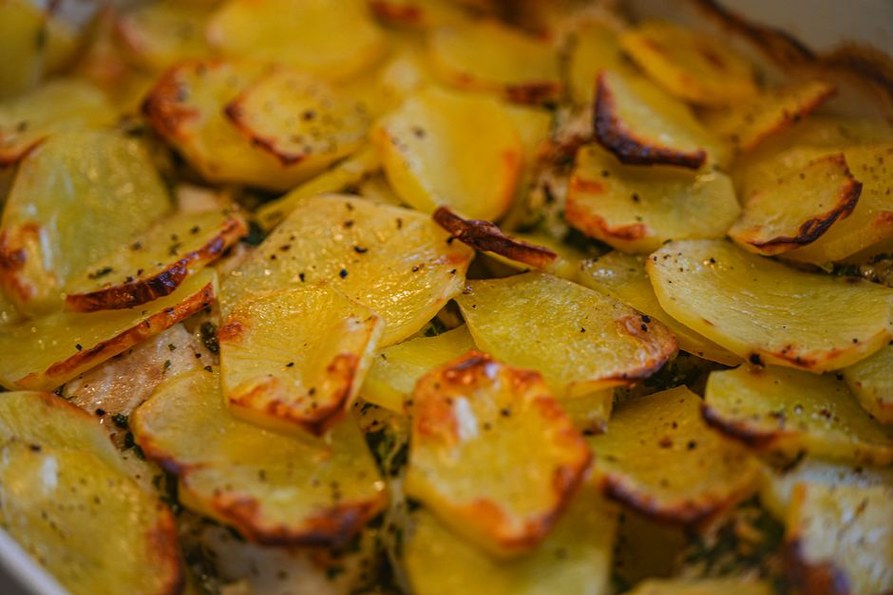
For vegetables, roast at a moderate temperature with enough space on the tray, then take them out when they are tender and lightly colored. For proteins, sear briefly and finish with lower, covered heat. If you enjoy oven fries, cut them thick, cook until the center is soft, and use enough fat to avoid a leathery exterior. The blog’s Perfect Thick Cut Paleo Fry: A Gut-Friendly Method offers a specific technique for making thick-cut paleo fries with a soft interior.
Deep-frying is not necessary for AIP cooking and is often impractical for daily meals. Baking, air-frying with modest oil, pan-steaming, and roasting give you more control over texture and cleanup.
Make soup and purées useful, not compulsory
Soup is often suggested for digestive comfort because it is warm, moist, and easy to portion. It can be helpful when appetite is limited, but it is not a universal answer. Some people feel too full after large volumes of liquid, and a thin broth alone may not provide enough energy or protein for a meal.
Make soups substantial by including both protein and a carbohydrate source. Simmer chicken thighs with carrots, zucchini, greens, and cubed sweet potato. Or blend cooked butternut squash with broth and add shredded turkey. Puréed soups can be convenient when smoother vegetables are easier to tolerate, but keep some texture if that is more satisfying for you.
Think of homemade broth as food, not a guaranteed digestive remedy. Some people enjoy it; others notice no benefit or find rich broth unappealing. Keep what works for you and leave the rest.
Reduce meal strain with small kitchen habits
Digestive comfort is influenced by more than the recipe. Eating quickly, serving an unusually large meal after skipping food all day, or trying several unfamiliar AIP products at once can make it harder to tell how a meal actually went. A few simple routines can reduce that uncertainty.
- Cook enough for leftovers, but freeze portions if repeating the same meal becomes unappealing.
- Serve a moderate portion first, then take more if you are still hungry instead of starting with an oversized plate.
- Chew firm foods thoroughly and sit down to eat when possible.
- Choose water, tea, or another tolerated drink according to thirst rather than forcing large amounts with meals.
- Try a new recipe in a simple form before combining several unfamiliar ingredients.
- Use leftovers safely: cool cooked foods promptly, refrigerate them, and reheat thoroughly.
Meal pressure can make eating feel harder, too. A quiet ten-minute meal with a familiar stew may be more comfortable than a perfectly compliant dinner eaten in a rush. Practical strategies for lowering that pressure are covered in Stress, Paleo Eating, and Digestive Comfort: Practical Ways to Reduce Meal Pressure.
Adapt without shrinking the diet unnecessarily
If a preparation leaves you uncomfortable, begin with the least restrictive change. Cook the vegetable longer, peel it, serve a smaller amount, pair it with a moist protein, or try it at another meal. This preserves more variety than immediately removing another food group.
If raw cabbage slaw leaves you bloated, for example, try a small serving of thinly sliced cabbage braised with apples or carrots on another day. If a large bowl of roasted vegetables feels too filling, serve half as much beside mashed sweet potato and tender fish. If chicken breast is dry and difficult to finish, switch to poached thighs or add cooking juices. These observations can guide meal design, but they do not prove an underlying diagnosis.
Preparation still matters when it is time to reintroduce foods. A planned reintroduction is easier to interpret when the test food is plain and the rest of the meal is familiar. Avoid testing it in a restaurant dish with several sauces and ingredients, since any response becomes difficult to trace. Discuss persistent symptoms and reintroduction plans with a healthcare professional. A single, well-cooked, simply seasoned serving alongside foods you already tolerate is a clearer starting point than a complicated mixed meal.