Fresh parsley, basil, cilantro, dill, mint, rosemary, thyme, sage, and oregano can take on much of the flavor work usually handled by pepper blends, chili sauces, seed-based spices, and seasoning mixes. During the elimination phase of the Autoimmune Protocol (AIP), that matters. A plain chicken breast or bowl of vegetables feels far more satisfying when flavor is built in from the start.
AIP is a temporary elimination approach, often used with clinical guidance, to help identify individual food tolerances. Its initial phase removes several foods, including culinary seed spices and nightshade-derived spices. Herbs are generally treated differently because they come mainly from leaves, stems, or flowering tops rather than seeds. That botanical distinction leaves plenty of room for good cooking, even if the flavor palette feels unfamiliar at first.
Why seasoning needs a new strategy on AIP
Many everyday seasoning habits rely on foods excluded during the AIP elimination phase: black pepper, paprika, chili powder, cumin, coriander seed, mustard seed, fennel seed, and blends containing any of them. Even a label that simply says “spices” can be hard to interpret, especially on premade marinades, sausage, broth, condiments, and seasoning packets.
The point is not to label herbs or spices as good or bad. The elimination phase is meant to create a simpler, more consistent baseline before structured reintroductions. Foods removed at this stage may be tolerated later. Symptoms can also be influenced by factors unrelated to a seasoning, including meal size, stress, illness, changes in fiber intake, or another ingredient in the meal.
Flavor matters on an elimination diet. Meals with appealing aromas and enough contrast are easier to eat regularly, which can help support adequate intake of protein, vegetables, carbohydrate-containing foods, and fats without making every meal feel like a test of willpower.
Herbs, spices, and flavorings: the distinctions that matter
“Herbs and spices” works well as a general cooking term. During AIP, it helps to separate them more carefully.
| Category | Examples | Usual elimination-phase approach |
|---|---|---|
| Leafy culinary herbs | Basil, parsley, cilantro, thyme, rosemary, sage, oregano, dill, mint | Generally included |
| Seed spices | Black pepper, cumin, coriander, mustard, fennel, cardamom, caraway | Excluded initially |
| Nightshade spices | Paprika, cayenne, chili powder, red pepper flakes | Excluded initially |
| Aromatic vegetables | Garlic, onion, ginger, scallions | Generally included if personally tolerated |
| Flavor acids and savory ingredients | Lemon, lime, vinegar, coconut aminos, sea salt | Choose simple, label-checked options |
Some products need closer inspection. Curry powder, Italian seasoning, poultry seasoning, and barbecue rubs are not automatically AIP-compatible, even when they sound herb-heavy. They may contain pepper, paprika, mustard, celery seed, cumin, or anti-caking agents. A single-ingredient dried herb is usually much easier to check than a blend.
Vanilla is commonly used in AIP-style cooking, while cacao, coffee, and seed-derived spices are often reserved for later reintroduction. Cinnamon is handled differently across AIP resources because it is bark rather than a seed, and protocol rules vary. If you are following a clinician-led version of AIP, use the framework you were given rather than combining rules from several sources.
Core herbs and what they bring to a meal
Bright, fresh herbs
Parsley, cilantro, dill, basil, mint, and chives shine when added near the end of cooking or used raw as a finishing touch. Their fragrance and freshness keep richer foods, such as roasted meat, avocado, or coconut-based sauces, from feeling too heavy.
- Stir parsley and lemon zest into roasted root vegetables.
- Use cilantro with lime, garlic, and olive oil for fish or shredded chicken.
- Add dill to cucumber salad, salmon, or a simple coconut-yogurt-style sauce made with tolerated ingredients.
- Combine mint with chopped cucumber and lemon for a cool side dish.
Fresh herbs are not interchangeable, though substitutions can be flexible. Parsley is mild and grassy; cilantro is more citrusy and polarizing; dill has a distinct flavor that pairs especially well with fish and cucumber. If one herb is unavailable or simply not to your taste, try another fresh herb rather than leaving the dish underseasoned.
Woody herbs for roasting and simmering
Rosemary, thyme, sage, bay leaf, and oregano hold up well to longer cooking. Their aromatic compounds infuse fats and cooking liquids, making them useful in sheet-pan meals, braises, soups, and slow-cooked meats.
Rosemary is powerful: one small sprig or a modest pinch of dried rosemary can season a tray of potatoes, squash, and chicken. Sage suits winter squash, pork, poultry, and apples. Thyme works in soups, roasted vegetables, seafood, and meat dishes. Bay leaves add quiet depth to broths and stews; remove them before serving.
Dried herbs are convenient, but old jars can taste dusty or faint. Rub dried leaves lightly between your fingers before adding them to release their aroma. As a general kitchen rule, use dried herbs earlier in cooking, then add tender fresh herbs toward the end.
Build flavor in layers, not with one replacement
Looking for one substitute for black pepper or chili can be frustrating. AIP meals tend to taste better when flavor comes from several places: aromatic vegetables, herbs, salt, acidity, cooking method, and texture.
- Start with aroma. Gently cook onion, garlic, ginger, leeks, or scallions in an appropriate cooking fat. Keep garlic from scorching, as it can turn harsh.
- Add sturdy herbs early. Rosemary, thyme, sage, and bay can flavor oil, broth, or the roasting pan.
- Use salt thoughtfully. Salt does not replace spices, but enough seasoning helps other flavors come through. Adjust gradually and account for sodium in broth or coconut aminos.
- Create contrast with acid. Lemon, lime, or a tolerated vinegar added near the end can make a dish taste brighter.
- Finish with fresh herbs. This last layer often provides some of the lift people miss from pepper or chili.
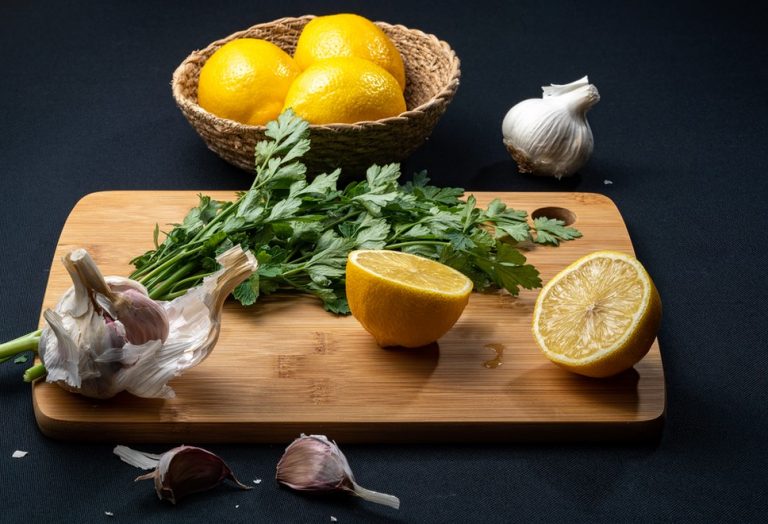
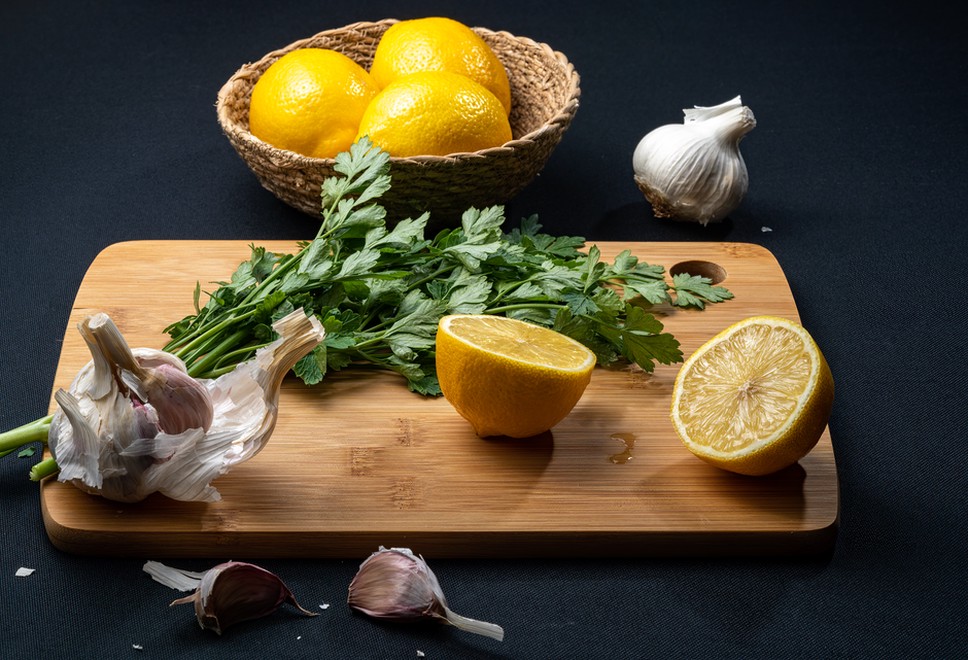
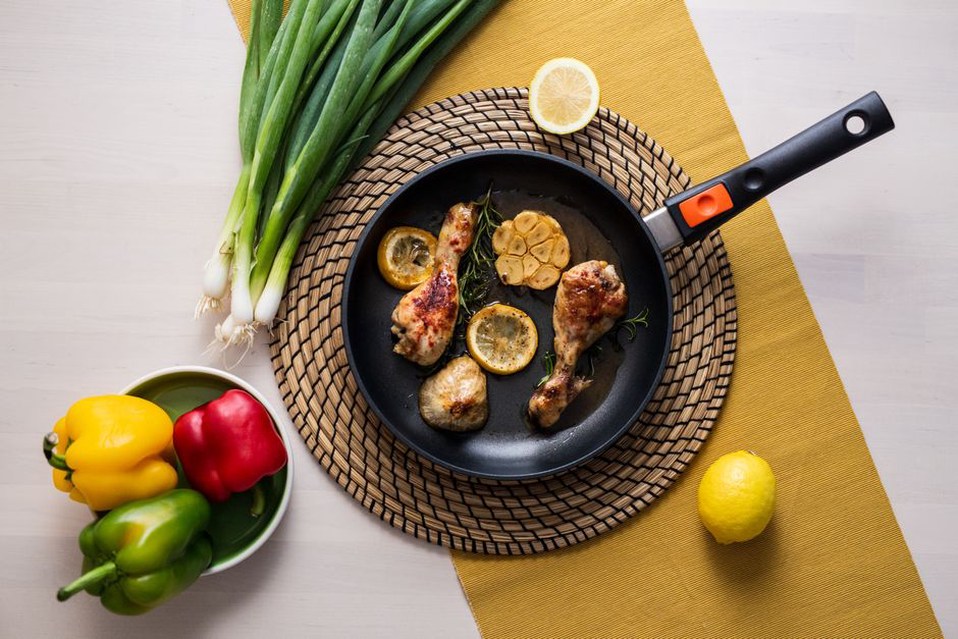
For example, season roasted chicken thighs with salt, garlic, thyme, lemon peel, and olive oil before cooking. Finish with lemon juice and chopped parsley. It will not taste like peppery chicken, but it has a clear, savory flavor of its own.
Useful AIP flavor combinations
A few dependable combinations can reduce decision fatigue without making every meal taste alike.
- Lemon, garlic, parsley, and thyme: chicken, fish, zucchini, cauliflower, or potatoes.
- Ginger, garlic, lime, and cilantro: ground meat, stir-fried vegetables, lettuce cups, or fish.
- Sage, rosemary, and apple: pork, turkey, winter squash, and roasted carrots.
- Dill, lemon, and cucumber: salmon, canned fish, simple salads, or cold vegetable sides.
- Basil, garlic, and balsamic vinegar: chicken, roasted vegetables, or a tomato-free vegetable salad.
- Mint, parsley, lemon, and olive oil: lamb, cucumbers, carrots, and leafy salads.
Use these as starting points rather than fixed recipes. Keep a brief record of combinations that make meals enjoyable and physically comfortable. A food and symptom diary is most useful when it includes the whole meal, approximate portion, timing, and relevant context instead of blaming one herb after a single uncomfortable day.
Getting warmth and depth without hot spices
Heat and pungency are often the flavors people miss most. Ginger can add a warming sharpness and is usually included during the AIP elimination phase. Fresh ginger has a clean, bright bite, while dried ginger is more concentrated and slightly sweeter. Garlic, onion, horseradish, citrus zest, and vinegar can also bring intensity without chili or black pepper.
Depth often comes from browning and concentrated ingredients rather than spices alone. Roast vegetables until the edges caramelize. Sear meat before adding liquid to a stew. Let an onion-rich sauce reduce slowly. Mushroom powder may add savory depth if it contains no excluded ingredients and fits your personal approach. Coconut aminos can bring savory sweetness, though formulations vary, so check the label.
For people prone to bloating or reflux-like discomfort, stronger aromatics are not automatically a problem, but tolerance varies. Raw garlic, large amounts of onion, acidic dressings, and rich sauces can be difficult for some people. Preparation may make a difference: use infused oil where appropriate, cook onions thoroughly, reduce the amount, or choose gentler herbs such as parsley and dill. Persistent digestive symptoms deserve a conversation with a healthcare professional rather than increasingly restrictive self-experimentation.
Shopping and kitchen habits that prevent accidental ingredients
Seasonings are one of the easiest ways hidden ingredients can enter an otherwise careful AIP meal. Read every label, including products that appear straightforward. Broth, cured meat, canned fish, frozen vegetables with sauce, salad dressing, flavored vinegar, and garlic powder blends may contain excluded spices or vague “natural flavors.”
A practical starter shelf might include sea salt, garlic powder without additives, onion powder without additives, dried thyme, rosemary, oregano, sage, bay leaves, dried ginger, and a few fresh herbs each week. If you use dried herbs slowly, buy smaller amounts. Keep them away from heat and sunlight, and replace them once the aroma fades.
Most households do not need separate cutting boards or utensils, though basic cleaning matters when someone regularly uses chili flakes, pepper grinders, or mixed seasonings. Restaurant dishes also deserve a few questions. “Grilled,” “plain,” and “herb-seasoned” do not necessarily mean compatible; ask about marinades, rubs, cooking oils, and finishing sauces.
Herbs during reintroduction: keep the experiment narrow
When a qualified clinician or dietitian agrees that reintroduction is appropriate, seed spices and other excluded seasonings can be tested one at a time using a structured plan. A familiar, simple meal gives clearer information than a restaurant dish with several unknown ingredients. If you test black pepper, for instance, avoid combining it with a new sauce, a different cooking fat, and a large serving of unfamiliar food.
There is no reason to rush toward a fuller spice rack. Reintroductions are meant to provide useful personal information, not demonstrate dietary discipline. If symptoms are ongoing, severe, or changing, pause the experiment and speak with a healthcare professional. Discuss dietary changes, especially restrictive ones, with a doctor or registered dietitian if there is a history of an eating disorder, unintended weight loss, pregnancy, chronic disease, or nutritional risk.
One practical habit can make batch cooking feel less repetitive: wash and chop parsley or cilantro after grocery shopping, then store it in a towel-lined container. Add a spoonful to lunch and dinner with salt and a squeeze of lemon, and several days of cooked vegetables and protein can taste freshly finished.