
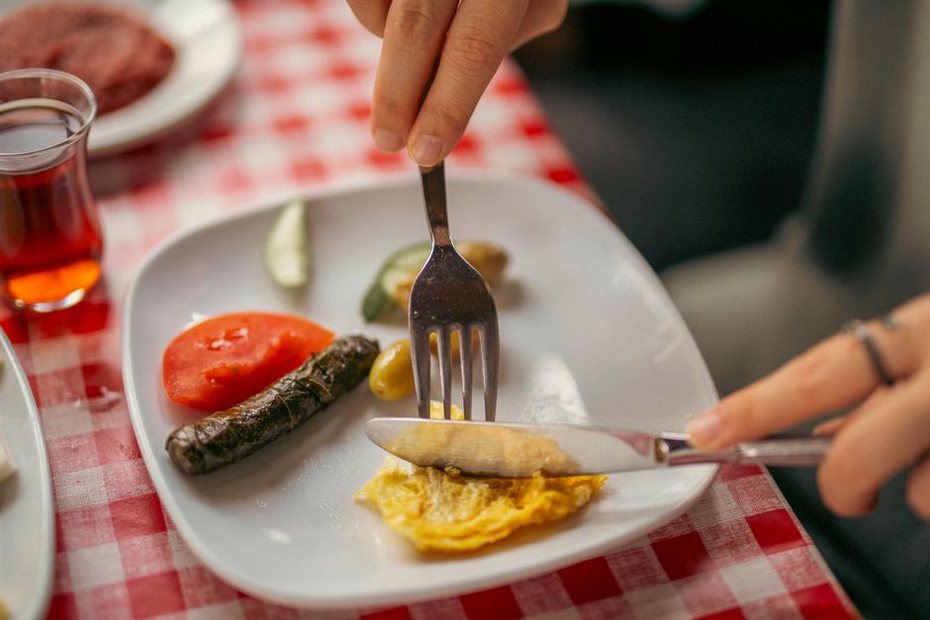
Digestion starts before food reaches the stomach. Teeth break a bite into smaller pieces, saliva moistens and binds it into a swallowable bolus, and chewing signals to the brain and digestive tract that a meal is on the way. Eating quickly does not explain every digestive symptom, but it can make meals less comfortable for people who already notice bloating, fullness, reflux, or discomfort afterward.
“Eat slowly” is simple advice, but chewing is both a physical and neurological process. It cannot fix a food intolerance, digestive condition, or meal that does not agree with you. Still, chewing more deliberately is a low-risk habit that may support meal comfort and make a food-and-symptom diary easier to interpret.
What chewing actually does
Mechanical breakdown matters because digestive enzymes work on the surfaces of food particles. A bite that has been well crushed, mixed, and moistened exposes more surface area for digestion later in the stomach and small intestine. That does not mean every bite needs to be chewed into liquid. Ripe fruit, cooked squash, tender fish, and soup need far less chewing than raw carrots, nuts, steak, or dense dried fruit.
Saliva does more than add moisture. It contains enzymes that begin starch digestion, along with substances that help protect the mouth and support swallowing. Chewing spreads saliva through the bite and helps create a cohesive bolus. Large, dry, or poorly chewed pieces can be harder to swallow comfortably and may lead someone to drink excessive amounts just to wash food down.
Taste, smell, texture, and chewing also take part in the cephalic phase of digestion: the body’s early response to food. Neural signals can encourage salivation and influence digestive secretions and gut movement. This is not an on-off switch, and it does not require a strict mealtime ritual. Giving yourself enough time to taste and chew simply allows these normal preparatory responses to take place.
Why rushed eating can feel uncomfortable
Fast eating often comes with oversized bites, minimal chewing, frequent swallowing, talking while eating, and attention fixed on a phone or computer. It can also mean taking in more air, particularly when meals include carbonated drinks, gum, hard candy, or frequent gulping. Swallowed air is normal, but for some people it contributes to belching or upper-abdominal pressure.
Meal pace may also affect how much food is eaten before fullness becomes obvious. Satiety involves stomach stretching, hormones, sensory input, and brain processing; chewing alone does not control it. A slower meal does, however, give those signals more time to register. This can be helpful when rebuilding meals after a restrictive Paleo or AIP phase, when it can be difficult to tell the difference between true hunger and the uncomfortable fullness that follows a rushed meal.
Chewing is not a cure for persistent symptoms
Chewing has limits. Ongoing pain, vomiting, trouble swallowing, frequent reflux, unintentional weight loss, blood in the stool, persistent diarrhea or constipation, or a major change in appetite need medical evaluation. Chewing more thoroughly should never be used to dismiss these symptoms or put off care.
Abdominal symptoms can have many contributors, including meal composition, portion size, stress, poor sleep, infections, medication effects, and diagnosed digestive conditions. An elimination diet is not a substitute for medical care. Discuss persistent symptoms and significant dietary changes with a physician or qualified health professional, especially if food avoidance is expanding or it is becoming difficult to meet nutritional needs.
How much chewing is enough?
There is no useful universal target, such as chewing every bite a set number of times. Counting can make meals feel tense, and textures naturally change from bite to bite. A more practical guide is to chew until food is broken down, comfortably moist, and easy to swallow without needing a drink to rush it along.
| Food texture | Practical chewing cue |
|---|---|
| Soft cooked vegetables or ripe fruit | Chew until the texture is uniform and no large pieces remain. |
| Meat, poultry, or fibrous fish | Take smaller bites and chew until the fibers are well separated. |
| Raw vegetables | Slow down enough to break crunchy pieces into small, moist fragments. |
| Nuts, seeds, or dried fruit | Use modest portions and chew thoroughly; choose softer preparations if needed. |
| Soups, stews, and purées | Pause between spoonfuls and notice fullness, even though little chewing is required. |
Texture changes can be useful during periods of digestive sensitivity. Roasting or stewing vegetables, shredding meat, blending soups, choosing ground meat, or soaking ingredients when appropriate may make meals easier to chew. These are comfort-focused cooking adjustments, not treatments for a medical condition.
Small habits that make a difference
Trying to change every meal at once often backfires. Pick one meal a day—ideally one you can eat sitting down—and practice one adjustment for several days. The aim is not perfect eating. It is to interrupt the habit of rushing.
- Put the utensil down between bites. This creates a pause without requiring you to count chews.
- Serve an appropriate first portion. A plate that is not overly large makes it easier to pause before automatically eating more.
- Take smaller bites of dense foods. This is especially useful with meat, raw salads, nuts, and chewy Paleo snack bars.
- Chew before reaching for a drink. Sip for thirst and enjoyment, but try not to rely on liquid to wash down under-chewed food.
- Reduce one distraction. Even five screen-free minutes at the start of a meal can make your pace easier to notice.
- Build in a brief transition. Sitting down, taking one calm breath, and looking at your meal can break the habit of eating while moving.
If you keep a food journal, record meal pace in plain language alongside foods and symptoms: “rushed at desk,” “ate in 10 minutes,” or “sat down and paused between bites.” This is more helpful than assuming one ingredient caused every uncomfortable meal. Patterns need to repeat, and stress, sleep, menstrual cycle, activity, and portion size can all play a part.
Chewing within Paleo and elimination-style meals
Paleo-style meals often include satisfying foods that take real effort to chew: roasted roots, leafy salads, nuts, coconut flakes, dried fruit, and substantial portions of meat. There is nothing wrong with that. It simply makes texture worth considering, especially when someone is moving from highly processed foods toward more whole foods.
During an elimination phase, a limited menu can make people eager to eat quickly when familiar foods feel scarce or meals feel repetitive. Including satisfying textures and enough food can ease that pressure. Soft-cooked vegetables, slow-cooked proteins, soups, stews, and appropriately prepared starches may be easier to eat at a comfortable pace than a large raw salad topped with a tough protein.
If jaw pain, clicking, dental problems, loose teeth, dentures, or swallowing difficulty make chewing difficult, do not force tougher foods in the name of better digestion. Depending on the concern, a dentist, physician, or speech-language professional may be appropriate. Food texture can be adjusted while the cause is assessed.
For a simple experiment, choose one usual lunch for three or four days and change only the pace. Sit down, take smaller bites, put your utensil down once per bite, and stop when comfortably satisfied. Keep the ingredients and approximate portion similar. Note any changes in fullness, belching, bloating, or meal satisfaction. If symptoms persist or a clear pattern develops, discuss it with a clinician rather than drawing conclusions from a single meal.