
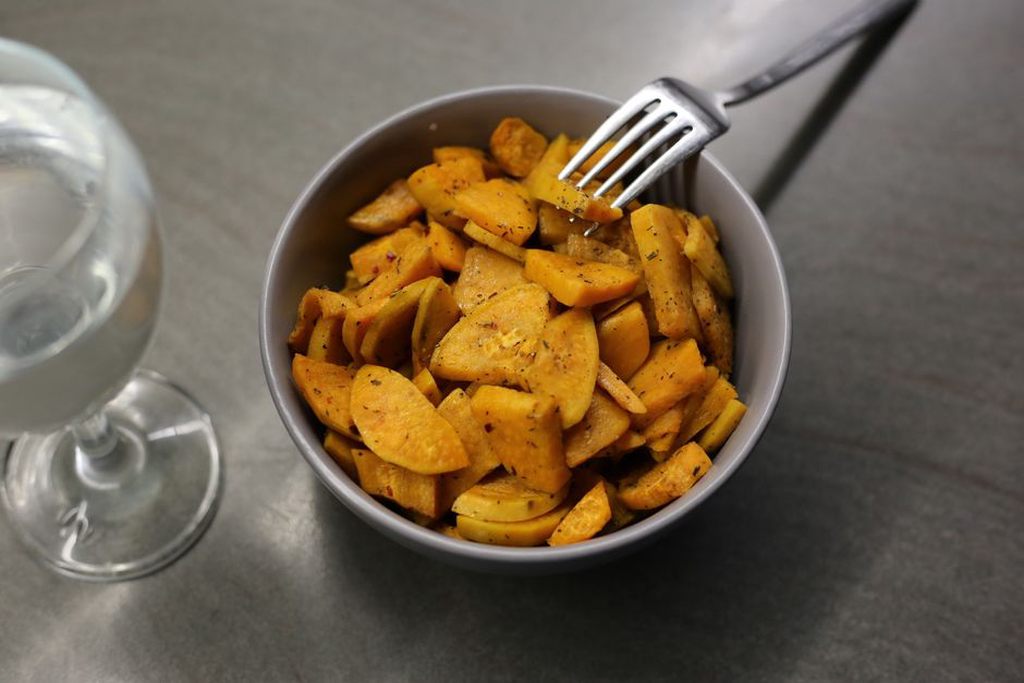
AIP meals often fall short when they rely on one “safe” food—plain chicken and steamed vegetables, for instance—instead of a complete plate. Feeling hungry an hour later is not a failure of willpower. The meal may simply be too low in energy, missing a meaningful source of carbohydrate or fat, or lacking enough volume and variety.
The elimination phase of the Autoimmune Protocol is intentionally restrictive. It is not meant to be permanent, a treatment, or a way to diagnose yourself. Its purpose is to create a temporary, structured baseline before planned food reintroductions. Meals that are genuinely satisfying make the process easier to sustain and can reduce skipped meals, last-minute substitutions, and dependence on a very narrow group of tolerated foods.
Build each meal from four practical parts
A useful AIP meal includes protein, colorful plant foods, a starchy carbohydrate when needed, and added fat. Portions depend on body size, activity, appetite, and medical needs, but including each category gives a meal a better chance of keeping you comfortable until the next one.
- Protein: Beef, lamb, pork, poultry, fish, shellfish, and, where appropriate, organ meats. A palm-sized serving is a flexible visual starting point, not a strict rule.
- Vegetables and fruit: Aim for several colors over the course of the day. Generous portions of cooked vegetables may be easier to manage than a large raw salad, especially if bloating is an issue.
- Starchy foods: Sweet potatoes, plantains, winter squash, taro, cassava, and other tolerated roots can make meals more sustaining. AIP is not automatically a low-carbohydrate diet.
- Fats: Olive oil, avocado, coconut products, fatty fish, and cooking fats that suit your needs add energy, flavor, and a more satisfying texture.
For example, roasted salmon with mashed sweet potato and olive oil, sautéed zucchini, and a small serving of berries will usually be more filling than salmon and zucchini alone. If richer meals worsen digestive discomfort, try spreading fats across the day rather than adding a large amount to one meal.
Plan satisfaction before the week gets busy
You do not need seven completely different dinners. Pick a few repeatable meal formats, then vary the protein, vegetables, or seasonings. It cuts down on decisions while keeping meals interesting enough to avoid food boredom.
Choose two proteins, two starches, and several vegetables
A simple weekly plan might include baked chicken thighs and slow-cooked beef; sweet potatoes and winter squash; plus broccoli, carrots, greens, zucchini, cabbage, and cucumbers. Those ingredients can become several different meals without a new recipe every night.
| Meal format | Example combination | Make-ahead element |
|---|---|---|
| Warm breakfast bowl | Leftover beef, sautéed greens, sweet potato, avocado | Roast sweet potatoes in advance |
| Soup or stew | Chicken, carrots, greens, winter squash, broth | Cook a large pot and freeze portions |
| Sheet-pan dinner | Chicken thighs, squash wedges, broccoli, olive oil | Chop vegetables ahead |
| Lunch plate | Cold salmon, roasted vegetables, plantain, olive oil dressing | Reserve dinner leftovers immediately |
Once dinner is on the table, pack the next day’s lunch before putting the rest away. That small habit keeps leftovers from disappearing as an unplanned snack and leaves you with a proper midday meal when time is short.
Use flavor and texture to prevent menu fatigue
Elimination eating gets repetitive when every meal is soft, plain, and beige. Contrast helps: crisp cucumber beside tender braised meat, creamy avocado with roasted roots, or a bright herb sauce over grilled fish. Garlic, ginger, turmeric, fresh herbs, citrus, vinegar if tolerated, onion, coconut aminos, and salt can bring plenty of flavor to AIP meals.
Take a careful approach when digestive symptoms are active. Large portions of onion, garlic, cruciferous vegetables, or coconut milk can be uncomfortable for some people even though they fit the protocol. That does not automatically mean a food is intolerable. Portion size, eating speed, stress, sleep, and the rest of the meal can matter too. A short food-and-symptom record may help you spot patterns without treating every sensation as a diagnosis.
Changing up protein also keeps meals more interesting and can broaden nutrient intake. Try fish once or twice a week, slow-cooked tougher cuts of meat, and occasional organ meats. For approachable preparation ideas, see How to Eat Organ Meats Without Hating Them.
Plan for the vulnerable moments
The difficult part of meal planning is often not dinner. It is the stretch between errands, meetings, school pickup, or a delayed commute. Keep a short list of portable options that provide more than quick sugar. Depending on your tolerances and where you are in AIP, that might include leftover meatballs, cooked chicken, salmon packets without noncompliant ingredients, sliced roast meat, fruit with avocado, vegetable soup in a thermos, or plantain chips with a simple meat-based dip.
Snacks are not essential if meals are adequate, but they can help during long gaps between meals, on more active days, or when appetite is returning after illness. Think of them as a bridge rather than a substitute for a planned meal. If you need several snacks most days, look first at whether breakfast and lunch contain enough protein, carbohydrate, and fat.
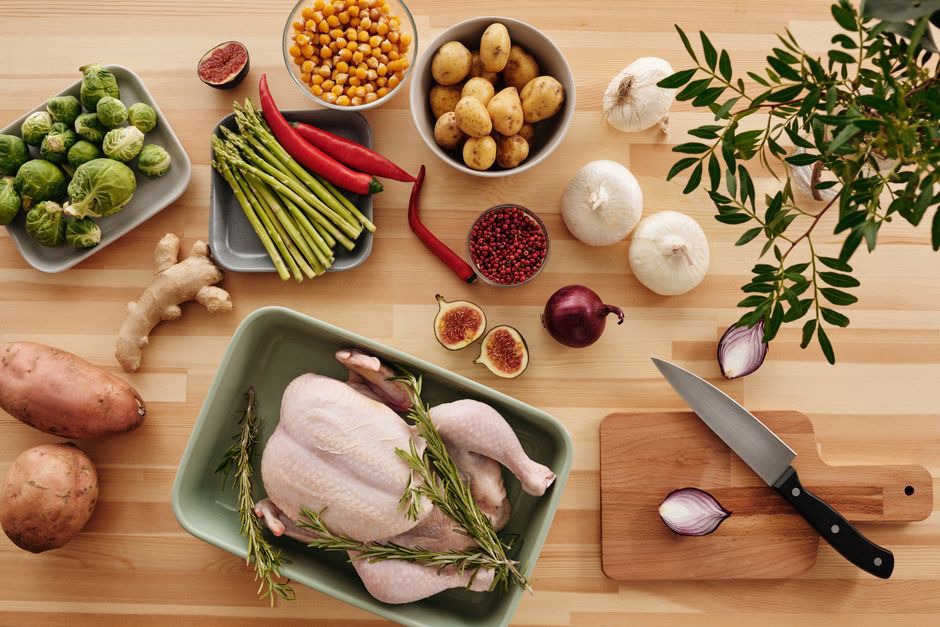
Make breakfast substantial, not merely compliant
Breakfast does not have to resemble conventional breakfast food. Leftover stew, a savory hash of ground meat and sweet potato, or baked salmon with greens may be quicker and more satisfying than trying to recreate cereal or baked goods. A cooked breakfast can provide a steadier start to a long morning.
For an easy option, brown ground turkey or beef with chopped zucchini and herbs, then portion it with roasted squash. Reheat a serving in the morning and add avocado or olive oil afterward. If fruit sits well with you, add a piece for freshness, but it does not need to carry the meal.
Adjust without making the plan more restrictive
Persistent hunger may call for a simple adjustment: add another scoop of roasted roots, choose chicken thighs instead of very lean breast meat, drizzle olive oil over vegetables, or increase the protein serving. Digestive fullness is different from satisfaction. If a meal leaves you painfully bloated, consider portion size, how quickly you ate, and the fermentable foods in that meal before cutting out several food groups at once.
AIP can be nutritionally and socially demanding, especially for people with a history of disordered eating, unintentional weight loss, pregnancy, chronic illness, or extensive food restrictions. Discuss persistent symptoms, substantial dietary changes, or concerns about adequate intake with a physician and, when possible, a qualified dietitian. An individualized plan is safer than extending a highly restrictive phase indefinitely.
For your next grocery trip, write down three complete meal combinations instead of a list of isolated ingredients: chicken thighs, sweet potato, broccoli, and olive oil; beef stew with carrots and squash; salmon with plantain and sautéed greens. Put each meal on the calendar once, then make enough of one dinner to cover lunch the following day.