Understanding the Basics of AIP
The Autoimmune Protocol (AIP) is a dietary approach aimed at helping individuals manage autoimmune conditions by making specific food choices. It involves removing foods that might cause inflammation and immune reactions, such as grains, dairy, and processed foods, and instead focuses on nutrient-rich, whole foods. AIP is often seen as a more restrictive version of the Paleo diet, tailored to address particular sensitivities and autoimmune issues.
For newcomers to AIP, creating a balanced meal plan is crucial. It involves thoughtful planning to meet nutritional needs while steering clear of potential irritants.
Core Components of AIP Meal Planning
When crafting an AIP meal plan, it's vital to include a range of foods that deliver essential nutrients without causing digestive issues or inflammation. Consider these key components:
- Protein Sources: Opt for lean meats like chicken, turkey, and fish, which are rich in essential amino acids needed for tissue repair and immune support.
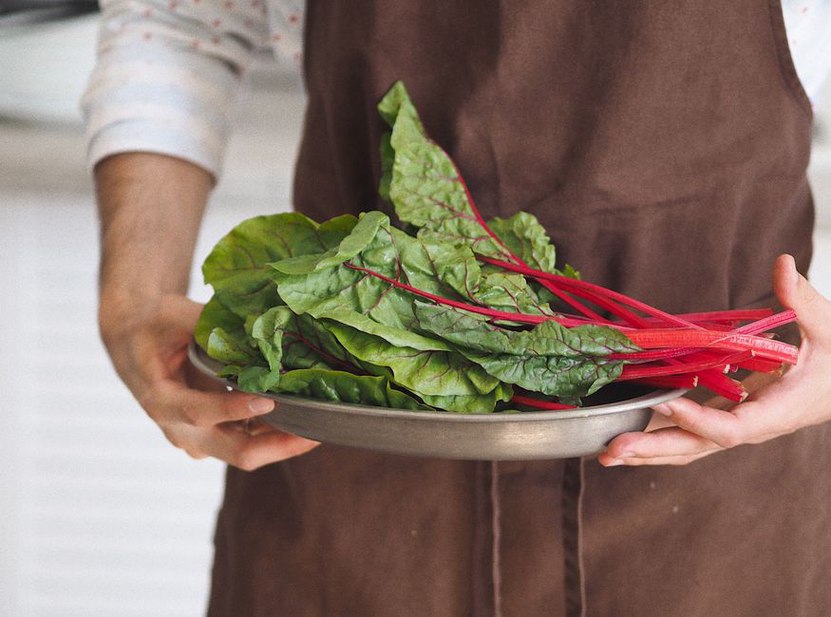
- Vegetables: Choose leafy greens, root vegetables, and cruciferous vegetables, but be aware of sulfur sensitivity in foods like broccoli and eggs. For more details, see Sulfur Sensitivity on Paleo: Why Broccoli and Eggs Might Be Causing Your Bloating.
- Healthy Fats: Include avocados, olive oil, and coconut oil to promote cellular health and hormone balance.
- Fruits: Berries and other low-sugar fruits are excellent choices, offering antioxidants and vitamins without excessive sugar.
Sample AIP Meal Plan for Beginners
Here’s a straightforward AIP meal plan to help you get started:
| Meal | Options |
|---|---|
| Breakfast | Scrambled eggs with spinach and avocado, or a smoothie with kale, blueberries, and coconut milk. |
| Lunch | Grilled chicken salad with mixed greens, cucumber, and olive oil dressing. |
| Dinner | Baked salmon with roasted sweet potatoes and steamed asparagus. |
| Snacks | Apple slices with almond butter or carrot sticks with guacamole. |
Managing Exclusions and Reintroductions
The AIP diet starts with a strict elimination phase followed by the gradual reintroduction of foods. This helps pinpoint specific food triggers and adjust the diet to suit individual needs. Keeping a detailed food and symptom diary can be extremely helpful in tracking reactions and identifying patterns.
For those curious about different autoimmune diet approaches, you might want to explore Wahls Protocol vs AIP: What's Different and How to Try It.
Nutrient Density and Digestive Comfort
Nutrient density is a key focus of the AIP diet. Prioritize foods that are rich in vitamins, minerals, and phytonutrients while supporting digestion. This strategy not only helps manage autoimmune symptoms but also enhances overall health.
To improve digestive comfort, include fermented foods like sauerkraut and kombucha, which naturally support gut health. Bone broth is another soothing option for the digestive tract, offering collagen and minerals.
Practical Tips for Starting AIP
Beginning an AIP meal plan can be challenging, but with some preparation, it can become a manageable and rewarding experience. Here are some practical tips:
- Plan Ahead: Develop a weekly menu and shopping list to ensure you have all the necessary ingredients.
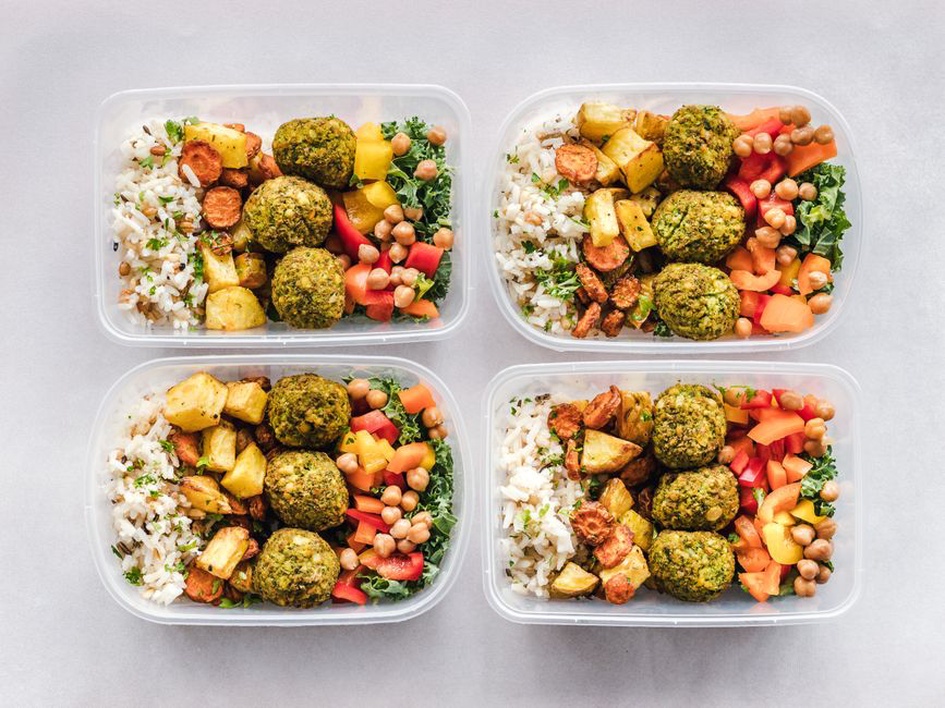
- Batch Cooking: Prepare meals in bulk to save time and reduce daily cooking stress.
- Stay Informed: Continuously learn about AIP principles and research to make informed dietary choices. For guidance on evaluating scientific studies, explore How to Evaluate Research on the AIP and Paleo Diet.
Starting an AIP diet requires patience and persistence. By sticking to a balanced meal plan and paying close attention to your body's reactions, you can work towards better health and improved digestive comfort.