Understanding Seasonal Eating
Eating foods that are harvested at their peak during specific times of the year is known as seasonal eating. This practice not only supports local farmers but also ensures that what you eat is fresh and packed with nutrients. For those on a Paleo diet, choosing foods based on the natural growing seasons can enhance meal nutrition and introduce a variety of flavors throughout the year.
Historically, consuming seasonal foods was a natural part of human diets before the era of global food distribution. The Paleo diet, inspired by the eating habits of our ancestors, fits well with this concept. By eating seasonally, you can better emulate the dietary patterns of hunter-gatherers.
The Benefits of Eating Seasonally on a Paleo Diet
Nutrient Density
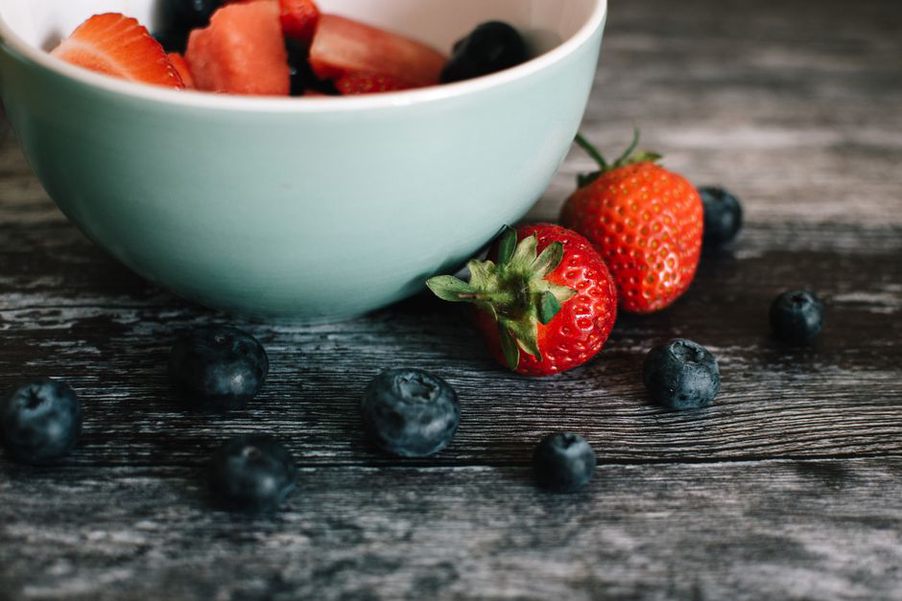
When fruits and vegetables are picked at their ripest, they have more nutrients. For instance, summer berries are rich in antioxidants, while fall's root vegetables are full of vitamins and minerals that support the immune system.
Environmental Sustainability
Opting for seasonal produce reduces the carbon emissions linked to transporting out-of-season foods over long distances. This choice not only benefits local farmers but also promotes environmental sustainability.
Economic Benefits
Seasonal foods are generally more affordable because they are more abundant. A higher supply typically leads to lower prices, making it easier to follow a Paleo diet without breaking the bank.
Seasonal Foods to Incorporate into Your Paleo Diet
Spring
- Asparagus: Loaded with vitamins K and C, asparagus can be roasted, grilled, or tossed into salads.
- Spinach: This leafy green is rich in iron and calcium, perfect for smoothies or as a sautéed side.
Summer
- Zucchini: High in fiber and vitamin C, zucchini can be spiralized into noodles or grilled.
- Blueberries: Full of antioxidants, they are ideal for snacks, desserts, or smoothies.
Fall
- Butternut Squash: A great source of beta-carotene, this squash can be roasted or made into soups.
- Apples: Although not a typical Paleo staple due to their sugar content, apples offer fiber and vitamin C in moderation.
Winter
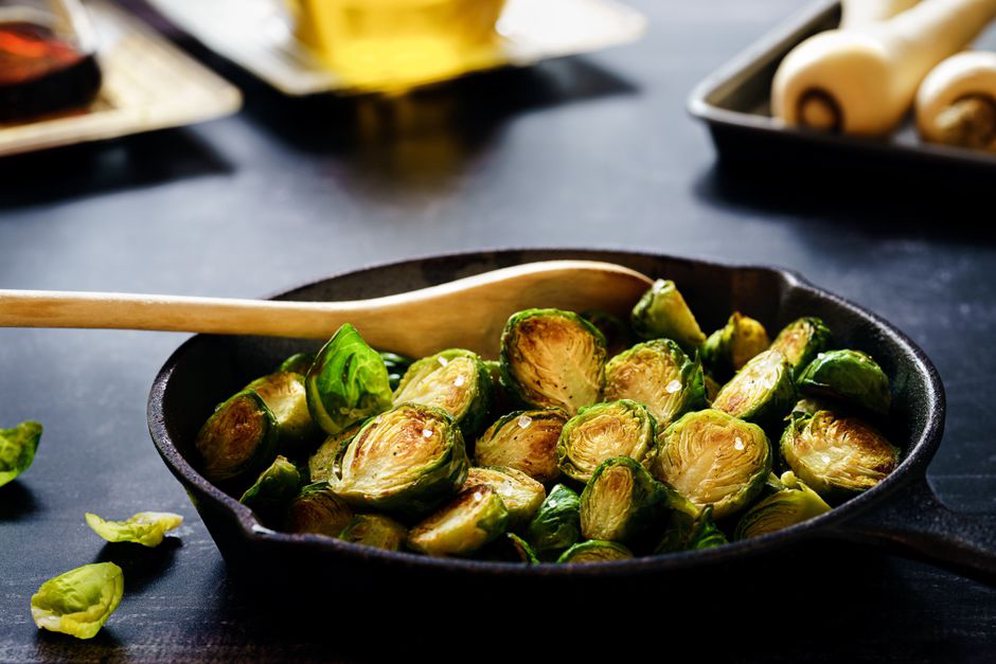
- Brussels Sprouts: High in vitamin K, they can be roasted or sautéed with healthy fats.
- Sweet Potatoes: A common Paleo food, sweet potatoes are rich in vitamins A and C and can be baked, mashed, or fried.
Incorporating Seasonal Eating into Your Paleo Routine
To embrace seasonal eating, visit local farmers' markets or join a community-supported agriculture (CSA) program. These options offer fresh, locally grown produce and provide a chance to meet the farmers who grow your food. This not only boosts the local economy but also gives you insight into food sourcing.
Planning meals around seasonal foods can make cooking more exciting and less monotonous. Try out new recipes that spotlight seasonal ingredients and see how they fit into your dietary goals.
If you're already following a Paleo diet, aligning your food choices with the seasons can bring a refreshing change and introduce new flavors and textures to your meals. For insights on how different dietary protocols interact with seasonal eating, check out our retrospective on Why Standardized MTHFR Protocols Failed on Paleo Diets.
Practical Tips for Seasonal Paleo Eating
- Keep a Journal: Note how different seasonal foods affect your digestion and overall well-being. This can help you identify patterns and preferences.
- Flexibility is Key: Be open to trying new foods and recipes. Seasonal eating naturally encourages variety, keeping meals interesting.
- Preservation Techniques: Learn to preserve seasonal produce by freezing or fermenting to enjoy them year-round.
By adopting seasonal eating, you align your diet with nature's cycle, enhancing both the nutrient density and enjoyment of your meals. As you explore the foods each season offers, you nourish your body and support sustainable food practices.