

You hear "type image" and probably think of a photo or a personality quiz. In the gut health world, it means something else entirely: the microbial and metabolic fingerprint your gut leaves behind based on what you eat. Every meal sends a signal to the trillions of microorganisms living in your digestive tract. Over days to weeks, those signals shape which bacterial strains thrive, which ones fade, and how your body responds to food.
This isn't new-age fluff. Researchers have used the term "enterotype" for over a decade to describe clusters of gut microbial communities that correlate with long-term dietary patterns. A type image, in practical terms, is a snapshot of your gut ecosystem at a given moment. On a Paleo or Autoimmune Protocol (AIP) elimination diet, that snapshot changes faster than most people realize. Within 48 hours of removing grains, legumes, and processed foods, the composition of your gut bacteria begins to shift. The species that feed on resistant starch from beans and fiber from wheat start to decline, while bacteria that prefer the nutrients in meat, vegetables, and healthy fats take their place. This is not inherently good or bad — it is a biological adjustment. But understanding this process helps you interpret the symptoms and changes you experience during an elimination phase.
What Shapes Your Gut Type Image on Paleo?
Your individual type image depends on several factors that interact with your diet. Genetics play a role in how your body produces digestive enzymes and mucus, which in turn influences which bacteria can colonize your gut lining. Your history of antibiotic use, infections, and previous dietary patterns also leave a lasting imprint. But on a day-to-day level, the foods you eat are the strongest driver of your gut ecosystem.
When you follow a standard Paleo template — meat, fish, vegetables, fruit, nuts, seeds, and healthy fats — you are providing your gut bacteria with a particular set of substrates. Animal protein and fat favor bacteria like Bacteroides, which are efficient at breaking down proteins and bile acids. Fiber from vegetables and fruit feeds Prevotella and Ruminococcus, which ferment plant material into short-chain fatty acids like butyrate. The ratio of these two broad groups is a major part of your type image. If your diet is very high in meat and low in plant fiber, your gut will shift toward a Bacteroides-dominant profile. If you eat a wide variety of vegetables and some fruit daily, you will likely see more Prevotella and a higher diversity of fiber-fermenting species.
For those following the more restrictive AIP elimination phase, the type image changes again. AIP removes eggs, nightshades, seeds, nuts, and certain spices in addition to grains and legumes. This reduces the variety of fermentable fibers available to your gut bacteria. Some people experience a temporary drop in microbial diversity during the first two to four weeks, which can manifest as bloating, irregular bowel movements, or a feeling that digestion has slowed. This is not a sign that the diet is failing — it is a predictable response to a sudden reduction in the range of food components reaching the colon. Over time, as you reintroduce foods one by one, your type image gradually expands and stabilizes.
How Your Gut Type Image Affects Digestive Comfort
The practical value of understanding your type image lies in how it helps you troubleshoot bloating, gas, and other digestive symptoms. When you eat a meal, your gut bacteria produce gases and metabolites based on the specific foods you consumed. If your current type image is dominated by bacteria that are efficient at fermenting certain fibers, you may experience more gas after eating vegetables like broccoli or cabbage. If your gut has a higher proportion of protein-fermenting bacteria, you might notice less gas but a stronger odor from stool.
Bloating is often a sign of a mismatch between your gut type image and the foods you are eating. On a Paleo or AIP diet, this mismatch can occur when you suddenly increase your intake of raw vegetables, resistant starches from cooked and cooled potatoes, or high-FODMAP fruits like apples and pears. Your gut bacteria need time to adapt their enzyme production to new substrates. If you introduce a large amount of a new fiber source all at once, the bacteria that can break it down will multiply rapidly, producing gas as a byproduct. The bacteria that cannot use that fiber will remain dormant or decline. This is a normal ecological shift, but it can be uncomfortable.
One way to manage this transition is to increase your vegetable variety slowly rather than adding many new vegetables at once. Another is to pay attention to how your body responds to different cooking methods. Steaming or roasting vegetables breaks down some of the fibrous structures, making them easier for your current gut type image to handle. Fermented vegetables like sauerkraut and kimchi introduce live bacteria that can help shift your type image toward a more diverse and resilient community. These are not quick fixes, but consistent practices that support gradual adaptation.
Reading Your Own Type Image Through Food and Symptom Tracking
You cannot get a detailed microbial snapshot without laboratory testing, but you can learn to read the signals your body sends. A food and symptom journal is the most practical tool for this. When you record what you ate, the time you ate it, and any digestive symptoms that followed, you begin to see patterns that reflect your gut type image. For example, if you consistently feel bloated six to eight hours after eating a meal containing onions or garlic, it suggests that your gut bacteria are fermenting those FODMAPs slowly, producing gas that distends your intestines. If you notice that your bowel movements become looser after three days of eating a lot of raw kale, it may indicate that your gut type image does not yet include enough fiber-fermenting species to handle that load.
Tracking reintroductions systematically is especially valuable. When you add back a food like eggs or almonds during the AIP reintroduction phase, you are essentially testing how your current gut type image responds to a new substrate. A reaction does not necessarily mean you are allergic or intolerant to that food forever — it may simply mean that your gut ecosystem is not yet equipped to handle it. Waiting a few weeks and trying again can yield a different result, because your type image will have shifted in the meantime. For a detailed framework on how to manage this process, you can read the practical guide on tracking reintroductions and reading your body's signals, which walks through the step-by-step approach to interpreting your reactions.
The Role of Nutrient Density in Shaping Your Type Image
Your gut bacteria do not just eat fiber and starch — they also depend on the vitamins and minerals you consume. The nutrient density of your Paleo or AIP plate directly influences which bacterial species can thrive. For instance, zinc supports the integrity of the gut lining, which in turn affects where bacteria attach and how they interact with your immune system. Vitamin A from liver and orange vegetables helps maintain the mucus layer that separates gut bacteria from the intestinal wall. When that mucus layer is thin or compromised, certain bacteria can get too close to the epithelium, triggering immune reactions and inflammation.
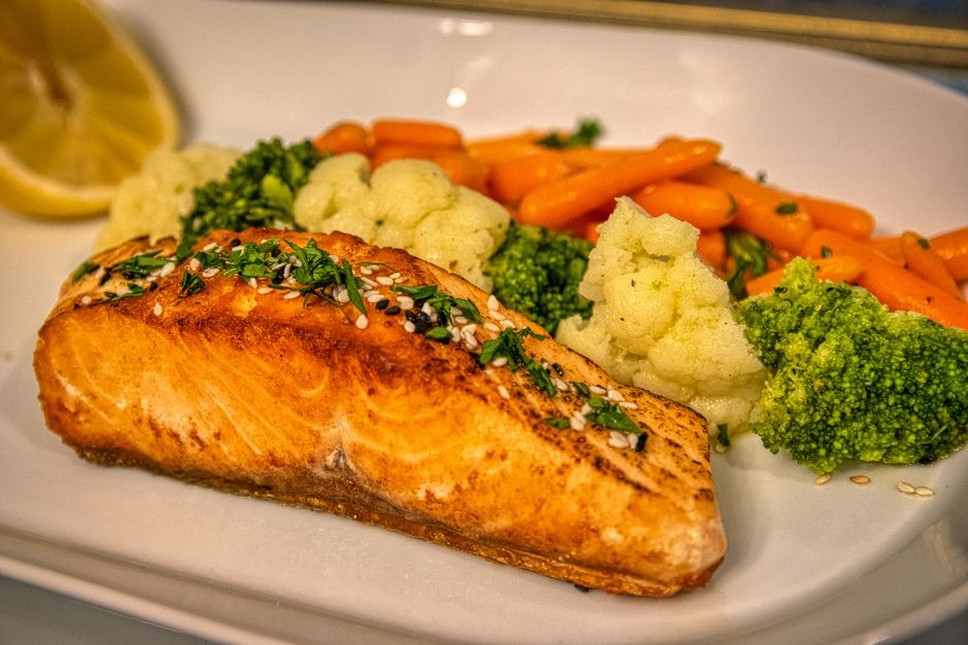
This is one reason why a nutrient-dense approach matters more than simply avoiding problematic foods. If you eat a Paleo diet that is heavy on bacon and low in vegetables, your type image will look very different — and likely less diverse — than if you prioritize organ meats, fatty fish, leafy greens, and colorful vegetables. The Perfect Health Diet offers a practical framework for structuring meals around nutrient density, emphasizing the importance of getting a broad range of vitamins and minerals from whole foods rather than supplements. This approach supports a gut ecosystem that is stable, diverse, and less prone to sudden shifts that cause bloating or discomfort.
Why Your Gut Type Image Changes Within Days
The speed at which your gut ecosystem adapts to dietary changes is remarkable. Studies have shown that when people switch from a plant-rich diet to an animal-based diet, measurable changes in gut bacterial composition occur within 24 to 48 hours. The abundance of Bacteroides increases, while bacteria that ferment plant fibers decline. The reverse happens when people switch back to a high-fiber diet. This flexibility means that your type image is not fixed — it is a dynamic reflection of your recent eating patterns.
For someone starting a Paleo or AIP elimination diet, this rapid adaptability is both good news and a source of temporary discomfort. The good news is that your gut can begin to recover from the effects of processed foods, excess sugar, and industrial seed oils relatively quickly. The discomfort comes from the fact that during the transition, your gut bacteria are in a state of flux. Some species are dying off, releasing metabolites that can cause temporary bloating or fatigue. Others are multiplying, and their byproducts may be unfamiliar to your system. This period typically lasts one to three weeks, depending on your starting point and how strictly you follow the elimination protocol.
If you experience persistent bloating beyond the first month, it may be worth looking at other factors that influence your type image, such as meal timing, stress levels, and sleep quality. The gut-brain axis plays a significant role in how your digestive tract functions. High stress can slow motility, giving bacteria more time to ferment food and produce gas. Poor sleep can disrupt the circadian rhythms that govern digestive enzyme secretion and gut motility. Addressing these lifestyle factors can help stabilize your gut type image even when your diet is consistent.
Practical Steps to Support a Healthy Type Image on Paleo and AIP
Rather than trying to engineer a specific bacterial profile, focus on creating conditions that allow a diverse and resilient gut ecosystem to emerge. Diversity is consistently associated with better digestive health and fewer food sensitivities. Here are concrete steps you can take:
- Eat a wide variety of vegetables — aim for 30 or more different plant foods per week. This includes leafy greens, root vegetables, cruciferous vegetables, herbs, and sea vegetables. Each plant provides different fibers and polyphenols that feed different bacterial species.
- Include fermented foods regularly — even a small serving of sauerkraut, kimchi, or coconut yogurt with live cultures can introduce beneficial bacteria that help shift your type image toward a more balanced state. Start with one tablespoon per day and increase gradually.
- Rotate your protein sources — eating different types of meat, fish, and organ meats provides a range of amino acids and micronutrients that support both your own cells and your gut bacteria.
- Cook most of your vegetables — raw vegetables are harder to digest for many people, especially during the first few weeks of an elimination diet. Light steaming or roasting makes the fibers more accessible to your current gut bacteria and reduces the chance of bloating.
- Stay hydrated — water helps maintain the mucus layer and supports regular bowel movements, which prevent food from lingering too long in the colon and fermenting excessively.
- Eat on a consistent schedule — regular meal times help your gut bacteria synchronize their metabolic activity with your digestive rhythms, reducing the likelihood of gas and discomfort.
One final point worth considering is that your type image is not a diagnosis. It is a description of your current gut state, and it will change as your diet, lifestyle, and environment change. The goal is not to achieve a perfect microbial profile, but to find a pattern of eating that keeps you comfortable and well-nourished over the long term. If you notice that certain vegetables consistently cause bloating even after several weeks on a Paleo or AIP diet, it may be more productive to adjust your portion size or cooking method than to eliminate that food entirely. Your gut type image can adapt, but it needs time and consistency to do so.