A toilet that runs between flushes can waste water even when no one is using it. Put a few drops of food coloring in the tank, wait about 15 minutes without flushing, and check the bowl. If color appears, water is slipping past the flush valve. That small test is a useful place to start: water savings often come from fixing quiet problems before changing daily routines.
Household water use varies with plumbing, climate, garden size, and the number of people at home. Rather than trying to follow every conservation tip at once, check for leaks, identify where your household uses the most water, and choose changes that fit the equipment you have.
Find the water you are not using on purpose
Start with taps, showerheads, toilet tanks, and the pipes you can see beneath sinks. A faucet drip may need a washer, cartridge, or other part suited to that model. A toilet that refills on its own may have a worn flapper or an incorrectly set fill valve. If a fitting keeps leaking after a simple repair, or a pipe is wet inside a wall or cabinet, a qualified plumber can help locate the cause.
Your water meter can reveal less visible leaks. Turn off taps, appliances, irrigation, and anything else that draws water. Note the reading, wait while no one uses water, then check again. A changing reading suggests water is flowing somewhere; meters differ, so follow your utility’s instructions for interpreting a leak indicator. In a building with a shared meter, ask the property manager how leaks are monitored instead.
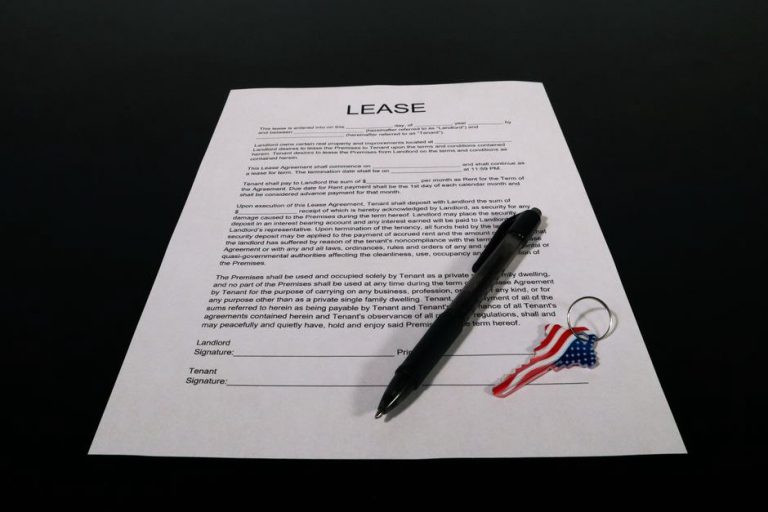
A bill that jumps without an obvious change in use is another prompt to investigate. Compare it with the same season if you water outdoors, since a dry summer and a cool winter are not directly comparable. If you rent, report leaks promptly and keep a record of the date; repairs to fixtures or hidden plumbing may be the landlord’s responsibility.
Reduce flow where it does not reduce usefulness
A faucet aerator mixes air into the stream and can make a lower flow feel comfortable for handwashing. A water-efficient showerhead can serve a similar purpose without requiring anyone to rush through a shower. Check compatibility before buying either item, particularly if water pressure is already low or a tap has an unusual fitting. Replace worn seals during installation so a water-saving part does not create a new drip.
For toilets, make sure the flush mechanism works properly before considering a replacement. If you are choosing a new model, look for an independently rated water-efficient toilet that suits your plumbing. Avoid placing a brick in the tank: it can break down, interfere with the mechanism, and leave too little water for a reliable flush.
The simplest no-cost adjustment is to turn off a tap when the water is not needed. Wet a toothbrush, shut the tap while brushing, and turn it back on to rinse. The same approach works while soaping hands or shaving. Keep enough water available for effective hygiene; the goal is to avoid an unattended stream, not to skip washing.
Make showers and laundry more efficient
In the bathroom, a slightly shorter shower may save more water than trying to catch every stray drop. If your shower takes a while to warm, collect the initial cold water in a clean container only when you have a safe use for it, such as watering non-edible plants. Keep containers away from children and empty them promptly rather than leaving standing water in the bathroom.
Baths and showers are not interchangeable in every household. A brief shower with an efficient showerhead may use less water than a full bath; a long shower with a high-flow head may use more. If you want a clearer picture, note how long it takes your shower to fill a container of known volume, then estimate its flow rate. Take care around slippery floors and hot water when measuring.
For laundry, choose the machine’s load-size or water-level setting when available. Modern high-efficiency washers may sense the load automatically, so follow the manual rather than adding water by habit. Washing full but not overloaded loads generally makes better use of each cycle; packed clothes may not clean or rinse well and may need rewashing. Use a short or eco cycle when it is appropriate for the fabric and soil level, not as a substitute for adequate cleaning.
Use kitchen water deliberately
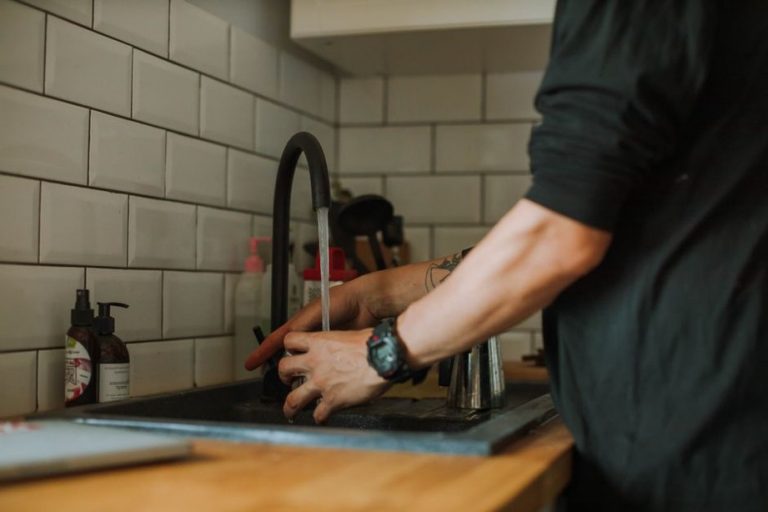
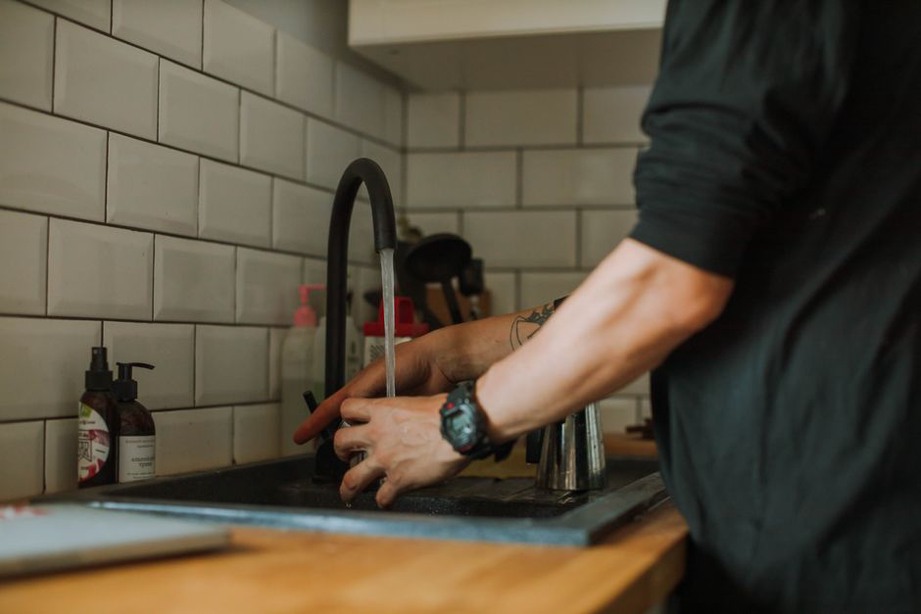
Kitchen routines matter because they repeat. Instead of rinsing each plate under a running tap, scrape food into the appropriate waste container and load the dishwasher as its manufacturer recommends. Many modern dishwashers do not require thorough pre-rinsing, although stuck-on food may need a brief soak or scrape. Run a reasonably full load without blocking the spray arms.
If you wash dishes by hand, use a basin or a plugged sink for washing rather than leaving the tap running. Change the water when it becomes too dirty to clean effectively, and use potable water for the final rinse where needed. Clean and sanitize surfaces that have touched raw meat according to food-safety guidance; saving water is not a reason to compromise safe food handling.
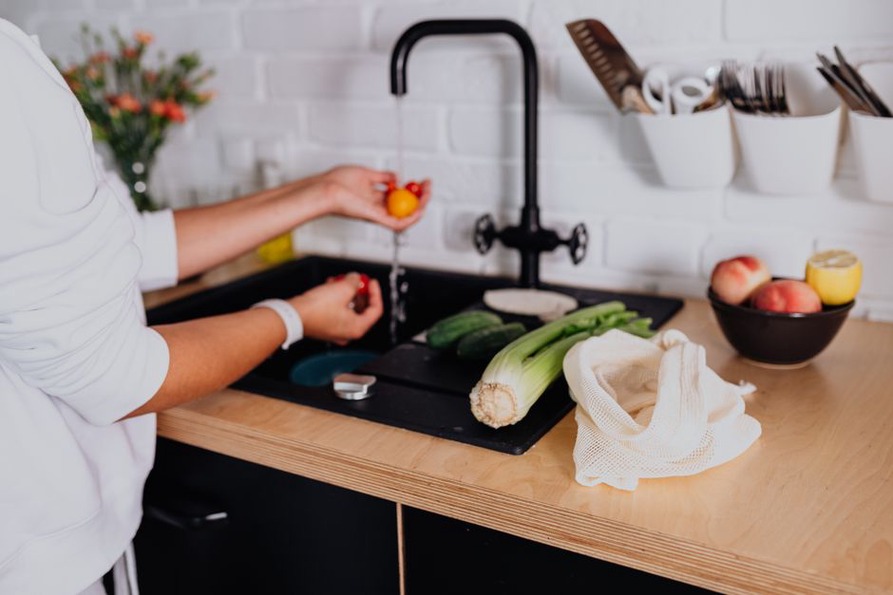
Vegetables can be rinsed in a bowl, then given a final rinse under potable running water when appropriate. Water collected from washing produce can go to ornamental plants if it contains no detergent or contaminants and local rules allow it. Do not store it for later use. Wash produce thoroughly even if you plan to peel it, since a knife can carry material from the surface into the food.
When cooking, use a pot that suits the amount of food so you do not heat and discard unnecessary water. Steaming vegetables can require less water than boiling them in a large pot. For a restrictive eating plan that relies heavily on home-prepared vegetables, these small changes can be easier to keep than complicated rules about saving every cooking liquid. Do not reuse water that has contacted raw animal foods for another purpose.
Keep outdoor water on the plants, not the pavement
Where outdoor watering is a significant part of the bill, adjust the schedule to the weather rather than running an automatic timer unchanged all season. Water when wind is low and evaporation is less intense, subject to local watering rules. Check the soil beneath the surface first: a dry-looking top layer does not always mean the roots need water. Deep, less frequent watering is often useful for established plants, while new plants and containers may need closer attention.
Inspect sprinklers while they are running. Redirect any head that sprays a path, fence, or wall, and repair damaged heads. A watering can or drip line can target pots and beds more precisely than a broad spray. Mulch can slow evaporation from bare soil, but keep it clear of plant stems and follow the needs of the species you grow.
Rain barrels are an option where permitted, provided they have a secure cover and appropriate overflow route. Collected rainwater is not automatically safe to drink or use on edible leaves; roof materials, animal droppings, and local guidance all matter. Likewise, do not send bath, laundry, or dishwater into a garden without checking local rules and the possible effects of soap, salts, and pathogens. For many households, repairing irrigation leaks is the safer first step.
Choose changes you can verify
Water bills, meters, and appliance manuals give more useful feedback than a long list of rules. Try one change for a few weeks while keeping the season and household occupancy in mind. If your utility reports usage by day, a repaired leak may show up quickly. A shorter shower or different laundry habit may be harder to isolate, but a steady pattern across comparable billing periods can still be informative.
- Today: Check for running toilets, dripping taps, and visibly wet fittings.
- This week: Confirm that the dishwasher and washer settings match typical loads.
- Next billing cycle: Compare usage with a similar period and investigate any unexplained rise.
Start the toilet dye test before bed or at another time when the fixture can sit unused for 15 minutes. If dye reaches the bowl, note the toilet model before purchasing a replacement flapper; matching the part is more useful than buying the first one on the shelf.