
A winter coat packed away with a damp cuff may smell musty long before you need it again. Let seasonal clothes get clean and fully dry before they go into storage, even if the swap has to wait a day. Moisture, leftover stains and cramped packing often matter more than the choice between a fabric bin and a plastic one.
The aim is to protect off-season clothes without making the things you wear now harder to reach. Where an item belongs depends on the garment, your storage space and how often you might need it. A formal coat worn once a year can go high in a closet; a light jacket for cool summer evenings should stay close at hand.
Sort by actual use, not just by season
Before choosing containers, make three groups: wear now, store until next season and handle separately. That last group is for clothes that need cleaning or repair, possible donations and pieces you are unsure about keeping. Packing them away only postpones those decisions and uses space you could free up now.
Allow for the overlap between seasons. A cardigan, rain shell or pair of jeans might stay in your active wardrobe all year. If temperatures change unpredictably where you live, keep a few transitional pieces accessible instead of repeatedly opening sealed bins for a warm layer.
As you sort, check fit and condition, and ask whether you wore each piece during its last suitable season. One unworn season is not necessarily a reason to let something go; work, weather or your routine may have changed. For damaged items, make a specific repair plan. A missing button is much easier to deal with before the morning you need the garment.
Prepare garments before packing
Follow the care label, particularly for wool, silk, down, leather and structured pieces. Wash or dry-clean clothes as appropriate, then let them dry completely. Body oils, food residue and spills you can barely see may become more noticeable in storage or attract insects. If a stain remains after cleaning, avoid packing the item tightly against other clothes and consider whether it needs professional attention.
Empty pockets and close zippers. Fasten enough buttons or hooks to prevent snagging, and remove belts if they could leave pressure marks. Set aside loose seams and other repairs rather than mixing unfinished tasks with clean clothes. Clean and dry shoes separately so grit and moisture do not end up alongside fabric.
Strongly scented products are no substitute for cleaning: they may leave a lingering smell while the residue remains. If you use a pest deterrent, follow its label and keep it from touching clothing. Avoid mothballs in ordinary living areas unless you can follow the product's specific directions for safe use and storage.
Choose containers for the clothes and the location
Start with the storage spot. Is it clean and dry? Does the temperature change sharply? A bedroom closet generally poses fewer problems than a garage, attic or damp basement. If one of those is your only option, check for condensation, leaks and pests first. Where flooding or moisture is possible, keep containers off the floor.
Clear plastic bins let you see what is inside and protect against dust and incidental splashes. They work well in a reliably dry space, but they can trap moisture if clothes go in damp. Fabric bins and breathable garment bags allow more air movement in a clean indoor closet, though they offer less protection from spills and pests. Cardboard is inexpensive but more prone to moisture damage and crushing, so it is a poor choice for a questionable storage area.
Think about lifting before choosing a container size. An oversized bin packed with heavy sweaters can be difficult to move and may squash the clothes underneath. Two manageable bins are often more useful than one filled to capacity. Lids should close without force, and you should be able to pull a bin off its shelf without unloading everything around it.
When compression helps—and when it does not
Vacuum bags can save space for some washable, resilient textiles, such as spare cotton layers. They are a poorer choice for clothes that rely on loft or structure: down coats, tailored jackets and many wool knits. Months of compression may make those pieces hard to restore to shape. Remember, too, that a bag can be compact and still be heavy; do not overload a shelf just because the contents take up less room.
Give down a roomy container so the insulation is not kept tightly flattened. Delicate or structured pieces also need space. The smallest package is not a bargain if the garment comes out misshapen.
Fold, hang or support each garment appropriately
Fold sweaters and other stretchy knits rather than leaving them on hangers for months; their weight can pull at the shoulders. Fold along existing seams where practical, put heavier pieces at the bottom and avoid pressing deep creases into an overfilled stack. Clean, acid-free tissue can separate delicate fabrics or support folds, but ordinary T-shirts do not need it.
Hang coats, suits, dresses and other structured garments if you have suitable closet space. Choose a sturdy hanger that supports the shoulders and leave room between items. A breathable garment bag helps keep dust off without sealing clothes in plastic. Remove thin dry-cleaner bags, which are meant for transport rather than long-term storage.
For anything that does not fit neatly into either group, think about what will preserve its shape. Fold a soft scarf loosely; give a structured hat enough space to protect its crown. Clean shoes can go in their own boxes or breathable bags, with light padding if needed. Keep leather out of direct heat and sunlight, and check its material-specific care instructions before putting it away.
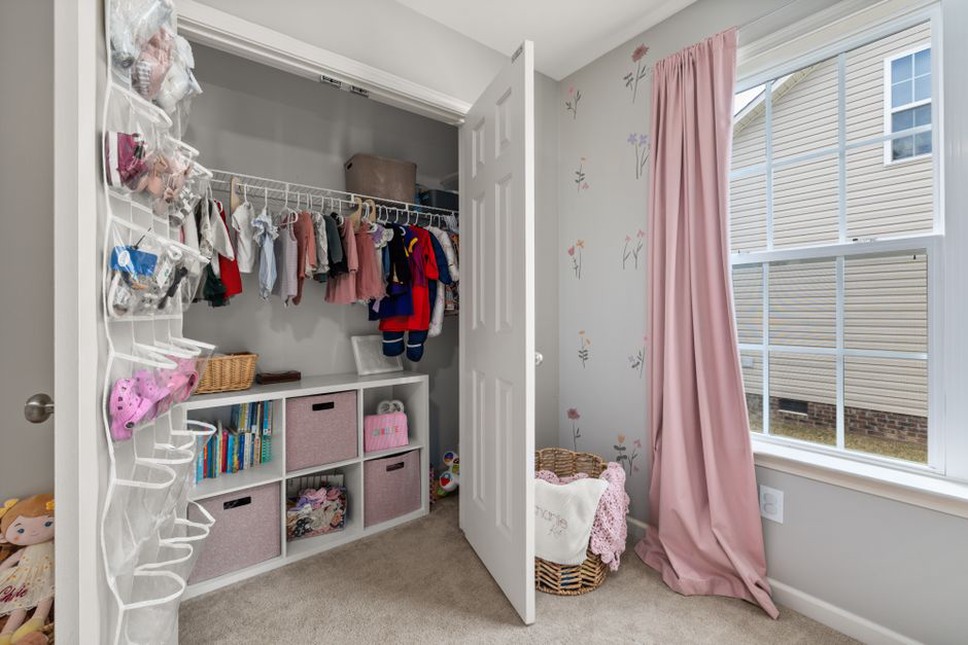
Use the space you have without hiding everything
Measure shelves, under-bed space and the hanging rail before buying containers. Account for doors opening and for the room your hand needs to grip a handle. A bin that fits on paper but cannot be removed without dismantling the closet will make every changeover a chore.
Reserve the hardest-to-reach spots for the least-used pieces. High shelves can hold labeled off-season clothes if the containers are light enough to lift safely. Low, flat bins can work under a bed in a dry room. Keep transitional clothing in a reachable drawer or on the rail. Do not stack heavy bins on delicate garments or load a shelf beyond its rated capacity.
In a small home, grouping by category may work better than giving every family member and season a separate container. One bin could hold washable winter accessories, for example, and another could hold bulky summer linens. Keep items with different care needs apart, and do not bury something you need regularly beneath a year's worth of storage.
Label for retrieval, not just identification
A label should tell you where to look: ‘winter—wool sweaters and scarves’ beats ‘clothes.’ If several bins share a space, number them and keep a short inventory on your phone or on paper. Note distinctive items rather than every sock, and put labels on the side that faces out when the bins are stacked.
Before closing a bin, glance inside and check that the label matches. It takes a moment now and saves opening several containers when the weather turns. If you share storage, add names or sizes where they will help others find their clothes.
Check storage conditions during the off-season
Clothes do not need constant checking, but take a look a few weeks after using a new storage spot. Watch for dampness, condensation inside bins, unusual odours, insects or a stack pressing on its contents. If something smells musty, take it out and find the moisture source before repacking it. Covering the smell will not fix the problem.
Keep closet corners and the space behind boxes reasonably clean. Do not put clothes directly against an exterior wall that regularly feels damp or collects condensation. If there is an ongoing leak or visible mould, move the garments somewhere dry and address the building issue; a different container will not solve it.
Make the next changeover easier
When the season changes, unpack early enough to inspect and air clothes before wearing them. Check for stubborn fold creases, look over shoes and coats, and pull out anything that needs washing or repair. Reconsider what you stored, too. Clothes that no longer suit your life do not have to return to the bin for another year.
You can do the changeover in stages: bring out what you need this week, then deal with occasional pieces and accessories. Clean and fully dry the outgoing clothes before packing them instead of trying to swap two whole wardrobes in one rushed evening.
To get started, take one empty bin and label it with the season and contents. Fill it loosely enough for the lid to close easily, then place it so you can read the label without lifting another container.