
A letter left on the kitchen counter often represents a decision you have not made yet: pay it, reply, file it, or throw it away. When every envelope looks equally important, those decisions pile up along with the paper. Give incoming mail one place to land, then use a few clear destinations once you open it.
Give incoming paper one landing place
Put a tray, shallow box, or upright file holder near where mail usually enters your home. It should hold a normal week of paper, not months of it. This is an inbox, not an archive. Ask everyone in the household to put mail, school notices, receipts, and loose forms there instead of spreading them across different surfaces.
If you can, keep a recycling bin nearby. Discard unwanted envelopes and inserts as you open the mail, and shred papers with sensitive details when appropriate. Check notices before tossing them: an appointment letter that looks routine, for example, may contain preparation instructions, while another notice may include a deadline or account change.
Sort by the next action, not by where the paper came from
Set up four destinations beyond the inbox. A few labeled folders or trays will do; you do not need a large filing cabinet to get started.
- Action: Papers requiring a payment, reply, signature, booking, or another task. If the next step is not obvious, write it and any deadline on a removable note.
- Waiting: Items you have dealt with but need to check later, such as a submitted form awaiting confirmation. Note what you are waiting for and when to follow up.
- File: Records you need for reference after the immediate task is done.
- Discard: Paper with no remaining purpose, sent to recycling or secure disposal as appropriate.
Sometimes you need the information, not the sheet. Put a date from a flyer on your calendar, then decide if the flyer is still useful. If you can reliably view a bill through your account, you may not need every printed copy. A photograph is not always a substitute for an original, though, and record-keeping requirements vary.
Keep the action folder small enough to use
Keep only unfinished tasks in the action folder, not papers you might read someday. Put urgent items at the front or keep a short deadline list. Once a task is done, file or discard its paper so completed bills do not get mixed up with unsigned forms.
If someone else needs to sign or review a document, keep it with that task until you hand it over. A form tucked into the reference files is easy to forget. In a shared household, agree on who checks the action folder and how you will flag urgent items.
Process the inbox on a repeatable schedule
Empty the inbox once or twice a week, or more often if important notices with short deadlines arrive by post. You do not have to finish every task while sorting. Decide what each sheet needs, recycle the extras, add dates to your calendar, and move unfinished tasks where you will see them.
Review the action and waiting folders at the same time. Handle what you can, schedule longer jobs, and follow up on anything that has been waiting longer than expected. A ten-minute review you actually do beats an elaborate session you keep putting off.
A paper can live where you will use it. Leave a return label with its parcel, for instance, or put an appointment form in the bag you will carry. If that temporary location is easy to forget, note it on your task list. The point is to be able to find the paper, not to keep every sheet in one room.
Build a reference file you can search without guessing
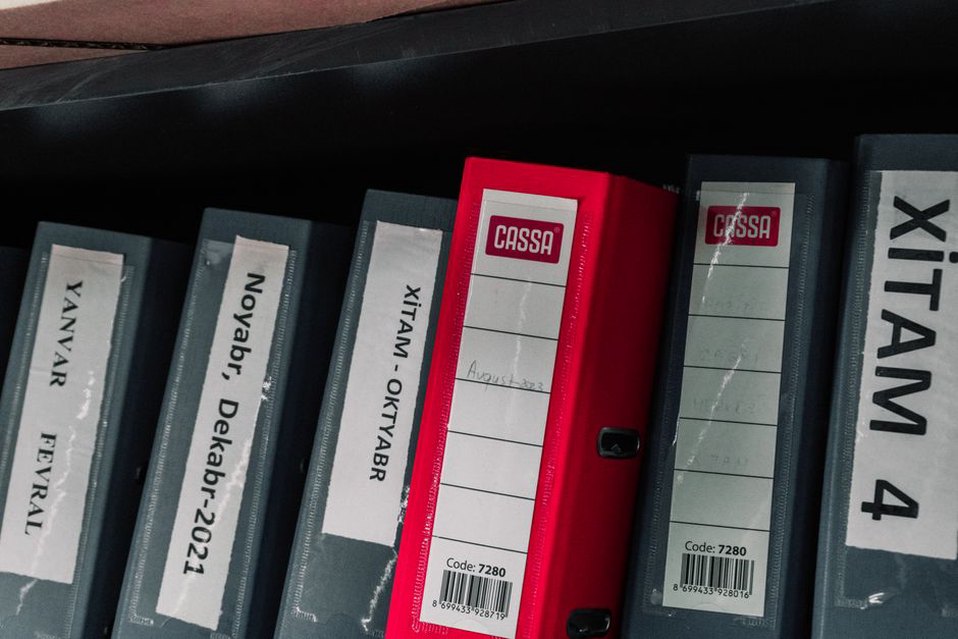
Most homes can use broad categories for reference papers: identity and legal documents, home and utilities, finances and taxes, insurance, health, and warranties or major purchases. Choose labels you would naturally look for later, and give each document one clear home. Be wary of a miscellaneous folder; unless you review it regularly, it becomes another inbox.
Keep hard-to-replace originals, such as birth certificates or property documents, apart from everyday reference papers. Store them securely and protect them from foreseeable damage in a way that suits the documents and your circumstances. Write down where they are kept so another authorized household member can find them if needed. Before clearing out tax, legal, or medical files, check the record-keeping rules that apply to you, along with any relevant insurance terms.
Use dates where they actually help
For papers that accumulate by year, such as tax records or annual insurance statements, put the year on the folder. Do the same for receipts for significant purchases if it helps you find them later. Keep an appliance’s proof of purchase and warranty information together under the item name. Routine receipts need not stay forever: keep those needed for returns, reimbursement, warranty claims, or required records, then review them when that purpose has passed.
Make food and health papers useful without letting them multiply
Meal notes, food diaries, appointment letters, and handouts can accumulate while you explore food sensitivities or an elimination diet. Keep them in a working folder separate from long-term medical records. Date food and symptom notes, keep them in order, and mark questions to bring to an appointment. A diary may help you describe timing and patterns, but it cannot establish a diagnosis on its own.
If you follow a paleo-style plan or are considering an exclusion approach, keep the current plan and any agreed reintroduction notes easy to find. Archive older versions so you do not mistake them for current instructions. Discuss persistent symptoms and changes to your diet with a doctor, especially before restricting more foods or drawing conclusions from symptoms yourself. Organized papers can make a clinical conversation easier; they do not replace medical care.
Decide when a digital copy is enough
Scanning may reduce paper, but it also creates another place to search. Decide where each file will go and how you will name it before you scan. A consistent filename with the date, issuer, and document type makes it easier to recognize later. Check that the scan is complete and readable, including both sides when relevant, before discarding the original. Keep sensitive files in a protected account or device, with a backup you can access.
Keep the paper version when you may need an original signature, seal, or physical document. Think about what is practical at home, too: a printed medication list or appointment instruction may be easier to use than a file buried on a phone. Digital storage is an option, not a rule for every sheet.
Clear an existing pile in small passes
Pick one contained area, such as a counter stack or a single drawer. Remove obvious recycling first, and set aside anything with a visible deadline. Then sort what remains into action, waiting, file, and discard. Leave enough time to put each category away; four new piles across the table are hard to maintain.
Check older papers more carefully if they might be legal, financial, or medical records. Group them by broad category and set uncertain items aside for a later decision rather than guessing in a hurry. Once the pile is manageable, place your inbox where new mail actually arrives. On the next review day, empty it completely—even if one unfinished form simply moves to the action folder with its deadline on a note.