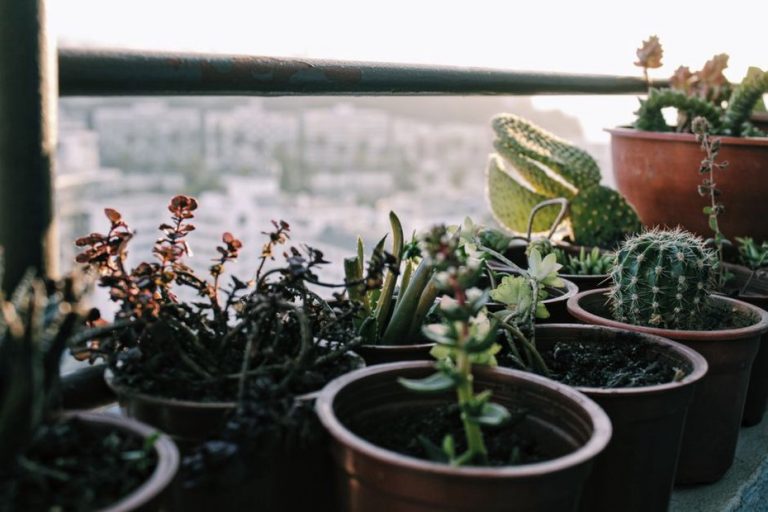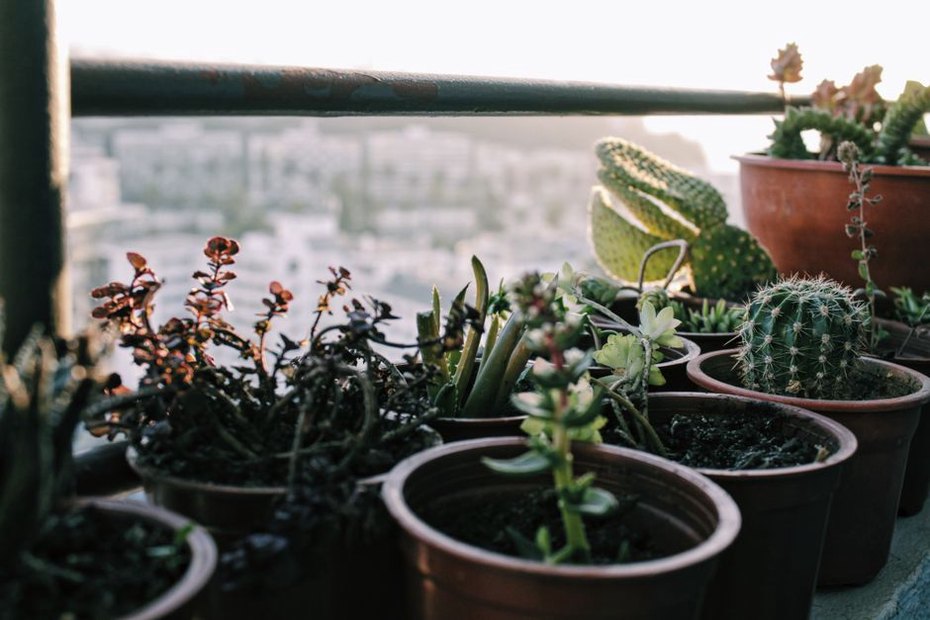
A pot that looks roomy in the shop can leave a tomato plant short of space by midsummer. Roots need room for water and air, and a small amount of potting mix dries out quickly in warm weather. Before buying plants, look at the space, light and watering routine they’ll have to live with.
Start with the conditions you have
Watch the intended spot over an ordinary day. Count the hours of direct sun rather than deciding it looks “bright.” Tomatoes and peppers generally need at least six hours of direct sun for good yields; leafy greens and some herbs can manage with less. A wall, railing or neighboring building may shade the space for much of the day, even if it looks sunny at noon.
Notice the wind, too. An exposed balcony can dry out pots and batter tall stems. Planters should not block a walkway, risk tipping over a railing or drip onto a neighbor’s space. If you rent or live in a shared building, check the rules on balcony loads, railing planters and drainage before you start. A large container filled with wet mix weighs far more than it does empty.
Match the container to the plant
Start with drainage holes. Water needs a way out of the root zone; stones in the bottom will not make up for a pot without holes. Use a saucer if runoff is a concern, but empty it so the pot does not sit in standing water.
Pot size determines both how much room roots have and how often you’ll need to water. Shallow-rooted greens can grow in a modest container. A full-size tomato needs a much larger one, plus sturdy support. Check the mature size and spacing guidance for the variety you choose. In a tight space, a compact or patio variety may be a better fit than one bred for garden beds.
Materials change the maintenance routine
- Plastic or resin: Light to carry and slower to dry out, though a dark pot can get hot in strong sun.
- Unglazed terracotta: Porous, so it loses moisture faster; it may also crack if left wet in freezing temperatures.
- Fabric grow bags: Easy to store when empty, but water evaporates quickly through the sides.
Think about whether you could safely move the container if a storm, heat wave or change of season calls for it. For vegetables and herbs, choose a clean container suitable for growing food, not one that previously held chemicals.
Plan for potting mix, water and feeding
Soil dug from the ground can compact in a pot and drain poorly. Packaged potting mix made for containers is usually a better starting point. Fill the pot without packing the mix down hard, and leave room below the rim so water doesn’t spill straight over the edge.
A container holds only so much moisture. Put a finger into the mix below the surface instead of watering on a fixed schedule. If it feels dry there, water thoroughly until some drains out of the bottom. If it’s still damp, check again later. A small seedling may need less water than it will as a mature plant, and a hot, windy day can change the routine quickly. Think about who will check the pots when you’re away.
Potting mix has a limited supply of nutrients, and regular watering can wash some away. For a crop that grows over several months, follow the mix and fertilizer labels rather than assuming it needs no feeding—or adding extra to speed things up. Too much fertilizer can harm roots. Store and use these products as directed, especially around children and pets.
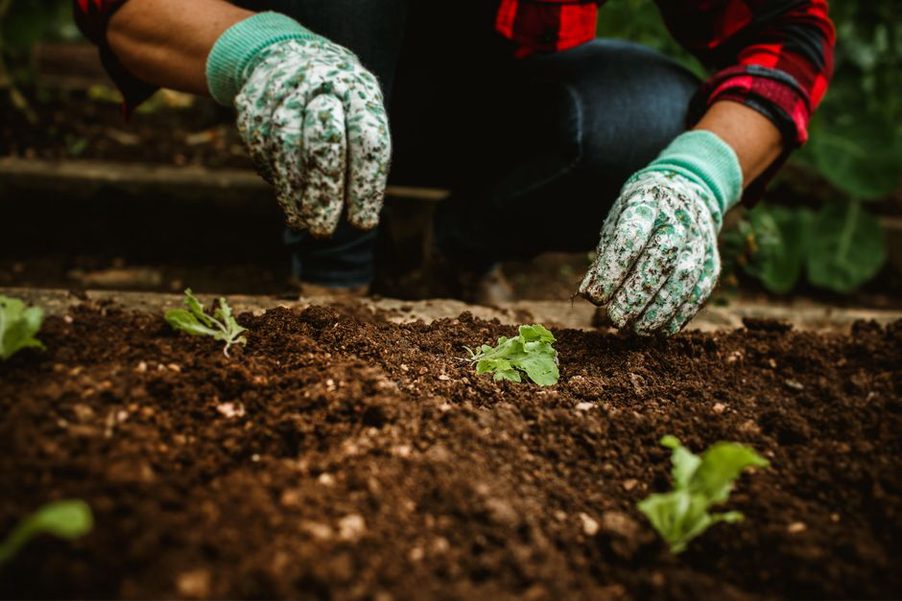
Choose plants around your meals, not an idealized harvest
Containers can provide small amounts of fresh produce for everyday meals, including meals built around a paleo-style or other selective eating pattern. But growing a tomato at home does not change whether tomatoes fit your current elimination plan. If you’re excluding foods or gradually bringing them back, keep planting choices separate from decisions about what to eat. Discuss persistent digestive symptoms and changes to your diet with a doctor.
Choose crops you’ll actually use while they’re fresh. A few cut-and-come-again greens may suit a household that cooks small portions; one productive herb may be more useful than several pots of crops you rarely eat. Check each plant’s season, mature size and harvesting guidance. Seeds give you more choice but take time and may need thinning. Healthy young plants offer a quicker start, as long as their roots aren’t severely crowded and their leaves show no obvious pests.
Before putting plants together, compare their needs. They’ll have to share space and have broadly similar preferences for sun and moisture. Crowding a pot to make it look full right away complicates watering and reduces airflow. As a tall plant grows, it may shade its shorter neighbor.
Account for pests, weather and the first week
Even an upper-floor balcony can have aphids and other pests. Check the undersides of leaves when you water, remove badly damaged leaves when appropriate, and identify the problem before using a treatment. Wash harvested produce under running water before eating it, and use clean tools and containers for edible plants.
Temperature matters alongside sunlight. A sheltered corner can trap summer heat, while a pot left outdoors cools more readily than soil in the ground during cold weather. Check local frost timing and your plant’s needs before leaving tender seedlings outside overnight. Having a tap nearby—or a watering can you can comfortably carry—makes the daily routine easier.
Before you fill your first pot, set it where it will live and watch the spot for a full day. Note when direct sun reaches it, make sure you can reach the drainage holes, and consider whether you could lift the pot once it’s full of wet mix. It’s easier to move an empty pot than to work around one that doesn’t fit.