A half-used bag of spinach is easier to save on Tuesday than to rescue on Saturday. Before you put the groceries away, check for anything already open or close to spoiling and give it a visible spot in the fridge. You’re more likely to use it there than if it disappears behind the new shopping.
Reducing food waste doesn’t mean eating questionable leftovers or forcing yourself to finish a food that disagrees with you. It comes down to buying amounts you can use, storing them well, and having a few easy plans for ingredients that need attention.
Find out what you actually throw away
For one week, jot down what goes in the bin, roughly how much, and why. Keep it simple enough to do while cleaning up. “Half a cucumber—forgot it was there” is more useful than a detailed inventory you give up on after two days.
Then look for repeats. If salad greens spoil every week, buy a smaller pack or swap one salad for a cooked vegetable that keeps longer. If cooked meat often goes uneaten, make fewer portions or decide before cooking when you’ll eat the extras. What you throw away is a better shopping guide than an idealized menu.
Shop for the meals you will really make
Check the fridge, freezer, and pantry before writing your list. Plan around what’s already open or perishable, and count the days you’ll actually eat at home. A six-serving recipe won’t help if you have room for only two leftover lunches.
Give each fresh ingredient a first use and a backup. Carrots might go with dinner, then into a soup or a roasting pan later in the week. If you follow a paleo or other exclusion-based eating plan, check labels and your food plan before buying a substitute just because a recipe calls for it. A large pack isn’t a bargain if you can comfortably use only a little.
- Buy delicate produce for the next few days. Use berries, leafy greens, and cut produce early.
- Keep a few longer-lasting options. Whole carrots, cabbage, and frozen vegetables can cover meals when plans change.
- Choose flexible ingredients. Pick a vegetable you’ll use more than one way, rather than one meant for a single complicated dish.
If an exclusion diet has already narrowed your choices, don’t let waste reduction narrow them further. Eating something that reliably causes discomfort just to avoid throwing it out isn’t a useful trade-off. Discuss persistent symptoms and dietary changes with a doctor; restrictive diets are not a substitute for medical care.
Make the fridge show you what needs using
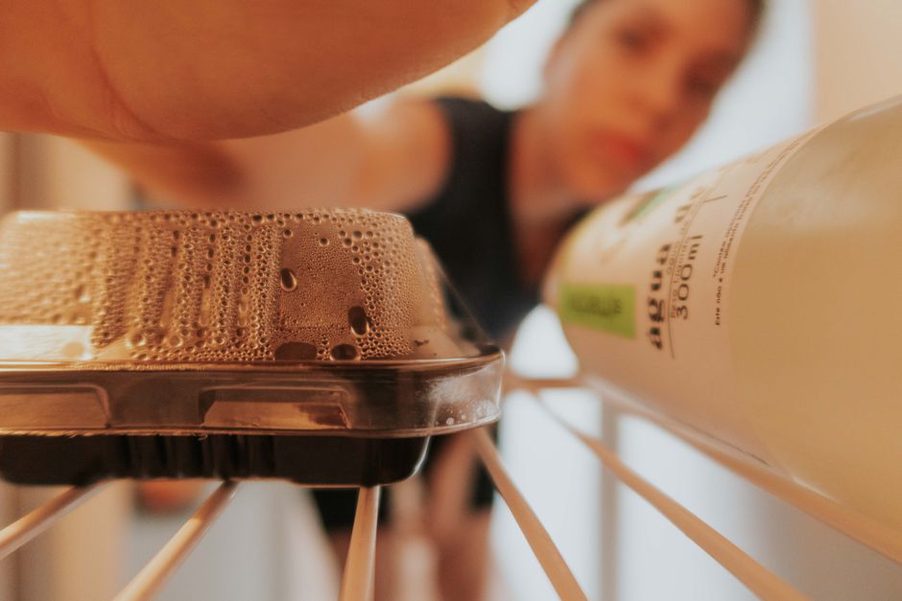
Set aside a clear container or an eye-level shelf space for open produce, cooked food, and items nearing their date. There’s no need to reorganize the whole fridge. Check this small “use first” area before making dinner or ordering groceries.
Store foods according to their needs; vegetables don’t all keep best in the same place. Refrigerate cut produce promptly. Keep leafy greens from sitting in pooled water, and don’t pack them so tightly that damaged leaves go unnoticed. Follow package instructions for foods that need refrigeration, and keep the fridge at 4°C/40°F or below.
Package dates also need context. “Best before” or “best by” generally refers to quality, while “use by” can mean different things depending on the country and product. Appearance and smell alone cannot tell you whether perishable food is safe. Follow local food-safety guidance, especially for meat, fish, dairy, and ready-to-eat foods.
Give leftovers a destination before storing them
After dinner, decide: is the extra food tomorrow’s meal, or is it going in the freezer? Put it in a shallow container, label it with the contents and date, and refrigerate it promptly. Don’t leave perishable food at room temperature for more than two hours, or one hour in very hot conditions. Divide a large pot into smaller containers so it cools faster.
As a practical rule, eat refrigerated cooked leftovers within three to four days or freeze them sooner. Reheat them thoroughly; a food thermometer can help with dense dishes, which should reach 74°C/165°F. If food was stored improperly or you don’t know how long it has been in the fridge, discard it rather than taste-testing it.
Small portions are easier to use than one large container. Freeze single servings of soup, cooked protein, or sauce so you can thaw only what you need. Date the containers even if the contents seem obvious now. Freezing early helps preserve quality, but it cannot make food safe again after it has sat out too long.
Use ingredients in new ways, not just repeat meals
A second meal is more appealing when it takes little work. Roasted vegetables can go into a lunch bowl; cooked chicken can top a salad or go into soup. Vegetables that are a little tired but still sound may work better cooked than raw. Trim damaged spots from otherwise sound produce where appropriate, but discard moldy or spoiled produce when you’re unsure it can be trimmed safely.
Match the rescue plan to the ingredient
- Softening fruit: Freeze suitable fruit for cooking or blending before it spoils. Discard fruit with mold or signs of decay.
- Extra fresh herbs: Chop and freeze them for cooked dishes, or use a generous handful while they’re fresh.
- Vegetable trimmings: Save clean, sound scraps that suit a stock; discard anything dirty, spoiled, or bitter. If you regularly make broth, those scraps can be a starting point. For ways to use the finished broth in meals, see practical uses and digestive considerations for bone broth on a paleo diet.
- A partial can or jar: Transfer the remainder to a covered container if needed, refrigerate it according to the label, and decide how you’ll use it before it gets pushed to the back.
Choose preparations that suit your digestion and dietary needs. Some people find large amounts of raw vegetables or particular ingredients uncomfortable, but no single way of using leftovers works for everyone. Cooking might make a vegetable more appealing; it doesn’t make a food you need to exclude appropriate to eat.
Freeze with a future meal in mind
The freezer is most useful when you know what each portion is for. Label a container “cooked cauliflower for soup” or “two portions of stew” rather than simply “vegetables.” Freeze meal-sized amounts, remove excess air from suitable packaging, and move older items toward the front. If things tend to disappear behind newer packages, keep a short freezer list on your phone or the freezer door.
Think about texture before you freeze something. Thawed berries may be better cooked than eaten out of hand, while thawed greens often suit a hot dish better than a salad. Thaw perishable foods in the refrigerator, in cold water changed regularly, or in the microwave if you’ll cook them immediately—not on the counter.
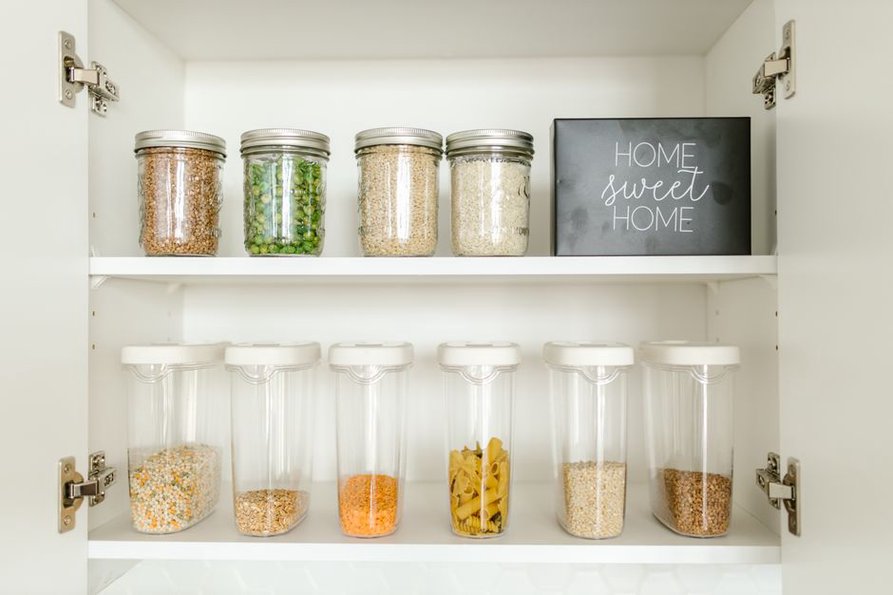
Keep the routine small enough to maintain
A five-minute check before shopping can do more than an elaborate weekend project you won’t repeat. Look for open packages, move older freezer portions forward, and pick one ingredient to use first. If your schedule changes, freeze what you won’t cook soon instead of hoping you’ll find time.
Say dinner leaves one serving of cooked vegetables. Put it in a shallow container, label it with today’s date, and place it at the front of the fridge. If you won’t use it in a meal within the next few days, freeze it that evening for soup.