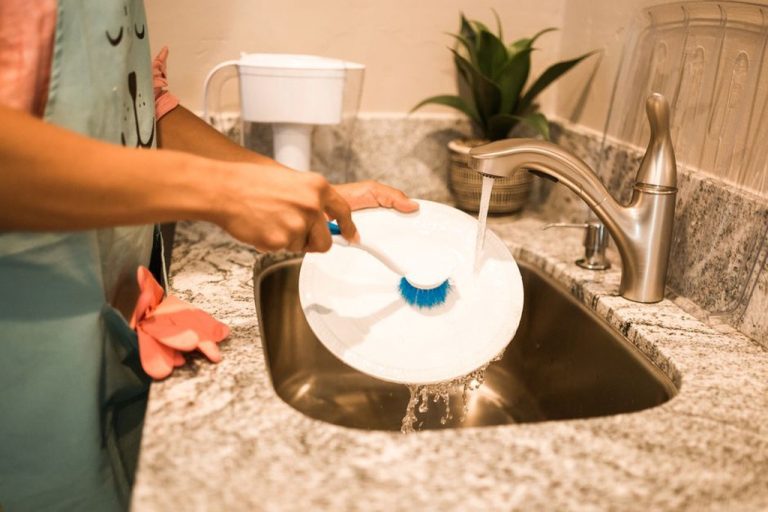
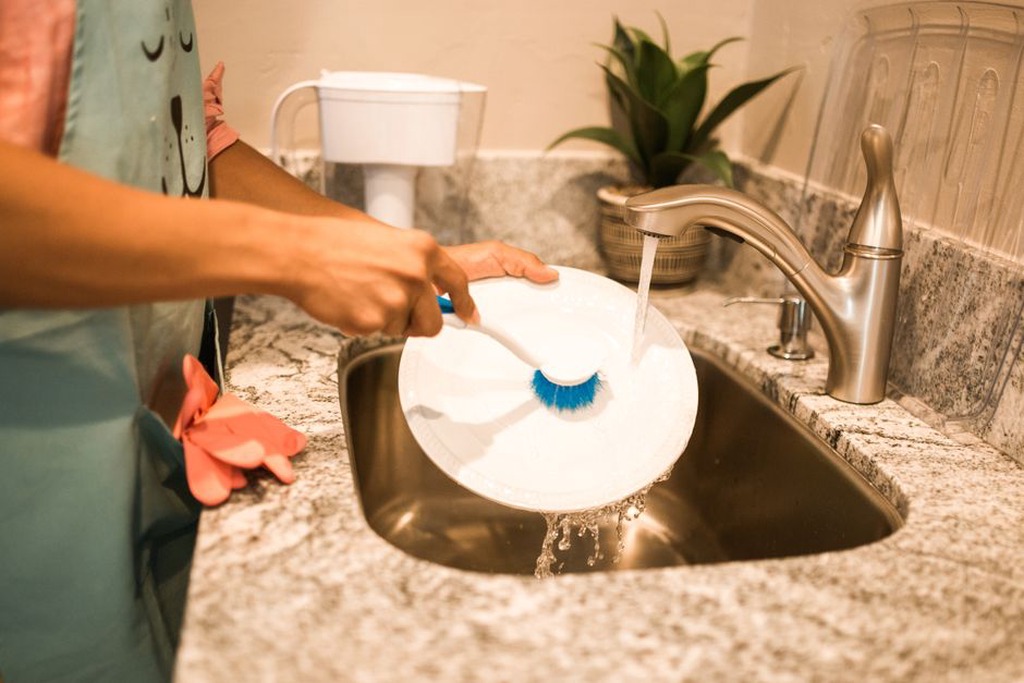
A running tap does nothing for a pan while you scrub it. Add a little water to loosen stuck-on food, turn off the tap while you work, then rinse. The same habit works elsewhere in the house: use water when you need it, and stop the flow during the pauses.
Find the waste before changing your routine
Walk through the kitchen, bathrooms, and laundry area. Check for dripping taps, toilets that run between flushes, damp spots under sinks, and leaks at hose connections. A slow leak runs around the clock, so dealing with one may matter more than shaving a minute off an already short shower.
If you have a water meter, note the reading before a few hours when no one expects to use water, then check it again. A change may point to a leak, though some appliances draw water automatically. Listen to the toilet after flushing, and look for movement in the bowl long after the tank has filled. Follow the manufacturer’s guidance for leak tests; if you cannot find the cause, contact a plumber or your landlord. If you rent, do not dismantle plumbing without permission.
Start small: investigate one possible leak and change one habit. Bills or meter readings can show a trend, but guests, weather, and different billing periods can skew month-to-month comparisons.
Use less water at the sink
Kitchen work without a running tap
Wash produce in a bowl or basin rather than under a tap left running. Rinse as needed, following food-safety guidance for what you are preparing. If the water contains no soap or food residue that might attract pests, you can sometimes use it promptly on non-edible garden plants instead of storing it.
Scrape plates into the food-waste or rubbish bin first. For dishes washed by hand, a small basin of wash water lets you clean several items before rinsing. If you use a dishwasher, check its instructions: many models need food scraped off, not a full pre-rinse. Run a reasonably full load, but leave enough space for the spray to reach the dishes.
If you often run the tap while waiting for a cold drink, keep a jug of water in the refrigerator. Wash and refill it regularly, and follow local guidance on safe water storage.
Bathroom pauses add up
Turn off the tap while brushing your teeth or shaving, then use what you need to rinse. A shower timer can help you see how long the water runs. If your showers are long, try cutting a few minutes rather than rushing through every wash. You can also pause the water while applying products if your shower controls make that practical and safe.
You could catch water while the shower warms up in a clean bucket, provided you have a safe place to put it and a clear use for it, such as manually flushing a toilet where appropriate. Keep open buckets out of children’s and pets’ reach. If a bucket would create clutter or a slipping hazard, skip it. Having your towel and toiletries ready before turning on the shower is simpler.
Make laundry and cleaning loads count
Wait for a suitable load of clothes instead of routinely washing several small ones. Leave room for items to move, sort them by care label, and select the machine’s load-size or water-level setting if it has one. Use an extra rinse when you need it, rather than by default. If laundry products irritate your skin, address that separately; do not drop a rinse you rely on.
For floors, measure water into a bucket instead of leaving the tap running as you clean. Sweep or vacuum first. Follow the cleaner’s label for dilution and disposal, and never pour chemical cleaning water onto plants or into storm drains.
Be deliberate outdoors
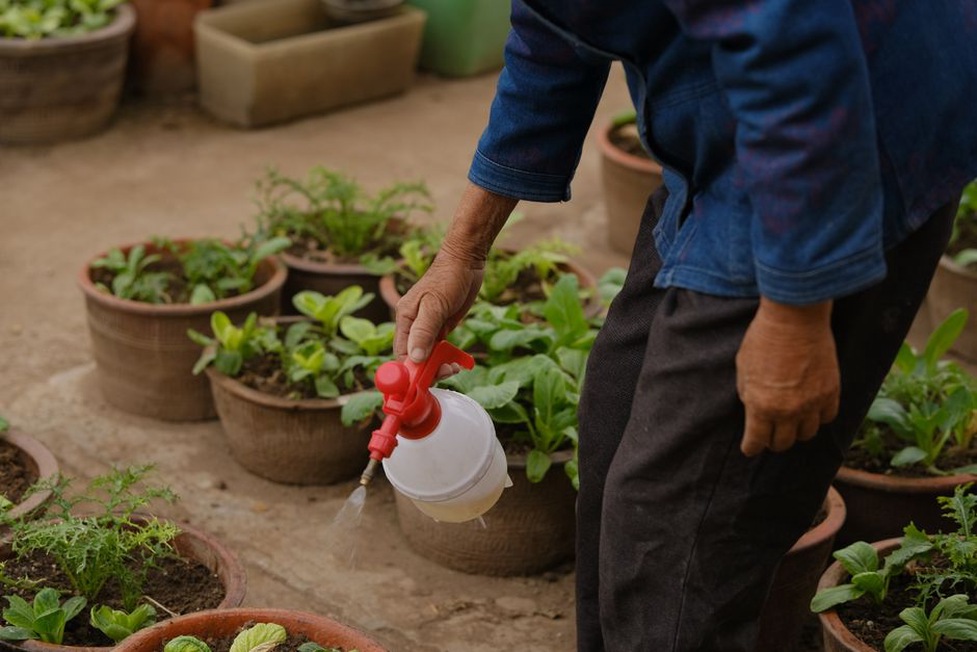
Outdoor water needs change with the season and climate. Aim water at the base of plants rather than at paths or leaves, and check the soil before watering again: a dry surface does not necessarily mean dry roots. Early morning can be a good time to water in hot conditions because less evaporates, but local restrictions take priority over a general schedule.
A watering can or a hose with a shut-off nozzle helps you direct water where it is needed. If local rules allow washing a car at home, use a bucket to wash it and control the rinse. Sweep paths instead of hosing them down, and fix a leaking hose connection before the next watering session, even if it seems minor.
Choose changes you can keep doing
Priorities depend on the household. A garden changes how much outdoor watering matters; frequent laundry changes what happens indoors. When deciding where to put your effort, use this order:
- Start with continuous waste: investigate leaks and taps left running unattended.
- Look at repeated routines: dishwashing, showers, toothbrushing, and laundry offer regular chances to use less.
- Keep hygiene and safety intact: wash hands thoroughly, clean food-contact surfaces properly, and do not reuse potentially contaminated water.
- Check results over time: compare bills or meter readings across similar periods when you can. One month’s change is not proof on its own.
If ongoing digestive symptoms are prompting changes to food preparation or hygiene, discuss persistent symptoms and any dietary changes with a doctor. Saving water should not mean skimping on necessary cleaning or changing what you eat without good reason.
Tonight, try putting a basin in the sink before washing dinner dishes. Scrape the plates, wash a few items together, and turn on the tap when it is time to rinse. You will have one workable change to keep or adjust tomorrow.