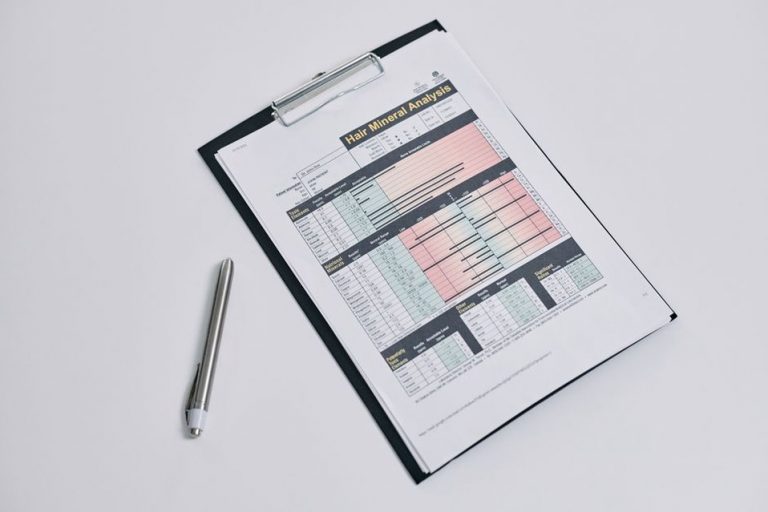

On February 11, 2014, I received an email from a gastroenterologist that contained three letters: SIBO. Small Intestinal Bacterial Overgrowth. I had never heard the term before, but those three words explained a decade of bloating, brain fog, erratic digestion, and joint discomfort that no elimination diet had fully resolved.
I had already been eating a strict paleo template for four years by then, having removed grains, legumes, dairy, refined sugar, and industrial seed oils. Yet every afternoon, my abdomen would distend to the point where I had to unbutton my trousers. My stool was either loose or pellet-like, never well-formed. I blamed stress, poor sleep, and occasional dietary lapses. The gastroenterologist suspected something else: a microbial community living where it did not belong.
This article is part one of a longer reflection on that moment and what followed. I will share what I learned about SIBO as a phenomenon, why paleo does not automatically prevent it, and how the concept of an ‘exclusion diet’ shifted for me afterward. This is not medical advice — if you have persistent digestive symptoms, discuss them with a physician before making changes.
What SIBO Actually Is
Small Intestinal Bacterial Overgrowth means that bacteria normally confined to the large intestine have colonized the small intestine. The small bowel is designed for digestion and absorption, not fermentation. When bacteria take up residence there, they feast on partially digested carbohydrates and produce gas — hydrogen, methane, or both — which distends the intestinal wall, slows motility, and interferes with nutrient absorption.
The gold-standard diagnostic test is a lactulose or glucose breath test measuring hydrogen and methane levels. My test showed a sharp hydrogen spike at 60 minutes, consistent with a predominantly hydrogen-producing overgrowth in the proximal small intestine. The doctor explained that this pattern often correlates with rapid transit time and carbohydrate malabsorption.
Why a Clean Paleo Diet Did Not Prevent SIBO
Many assume that if you eat paleo, you automatically protect yourself from gut dysbiosis. The reality is more nuanced. SIBO is primarily a problem of gut motility and anatomical defense, not of dietary composition per se. The small intestine has several cleansing mechanisms: the migrating motor complex (MMC), bile flow, secretory IgA, and the ileocecal valve. When one or more of these fails, bacteria can overgrow regardless of what you eat.
I had been consuming large amounts of raw vegetables, nuts, seeds, and resistant starches like green bananas and cooked-and-cooled potatoes — all encouraged in paleo circles for their prebiotic fiber. In a healthy gut, those fibers feed beneficial bacteria in the colon. In my small intestine, they fed the wrong bacteria in the wrong location. The bloat was not a sign of poor food quality; it was a sign that the food arrived at the wrong address.
Common Paleo Foods That Can Feed SIBO
- Raw cruciferous vegetables (broccoli, cauliflower, kale)
- Nuts and seeds, especially in large handfuls
- Legume substitutes like tiger nuts and chestnuts
- Fermented foods (sauerkraut, kimchi, kombucha) — high in histamines and organic acids
- Resistant starches from cooked-and-cooled potatoes, plantains, and green banana flour
- Sweet potatoes and other tuberous carbohydrates eaten in quantity
This is not an argument against those foods for everyone. It is an argument for individualized assessment. A diet that promotes flourishing gut health in one person can perpetuate bloating in another whose motility is compromised.
The Shift: From Elimination to Repair
Before February 2014, I thought of elimination diets as a tool to identify food triggers. You remove common offenders for 30 days, then reintroduce systematically. That approach assumes the gut is structurally sound and the problem is simply a sensitivity to specific proteins or carbohydrates. SIBO forced me to consider that the gut itself needed functional repair, not just a cleaner menu.
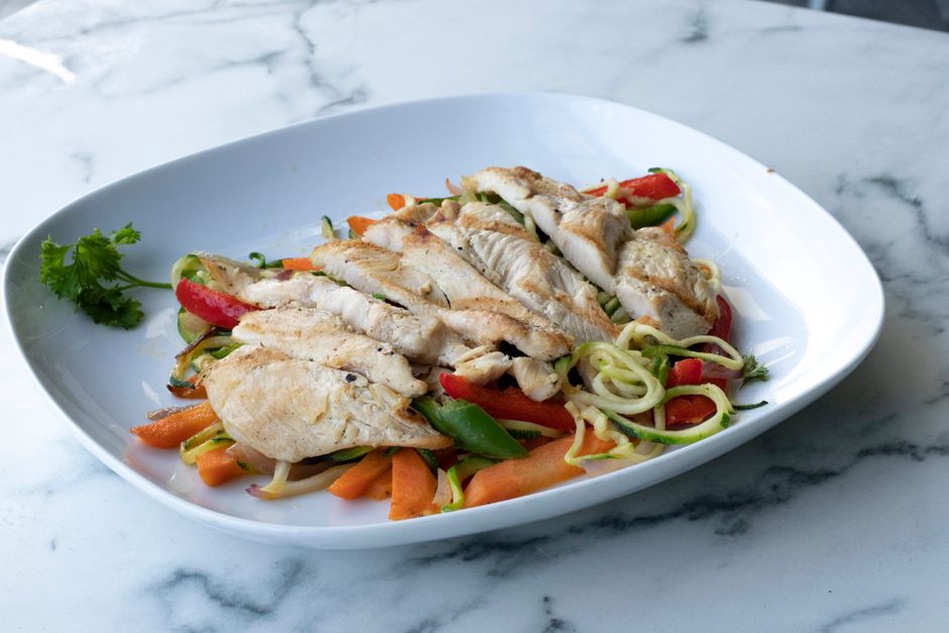
My gastroenterologist recommended a two-phase approach: first, reduce the bacterial load with a short-term low-fermentation diet (often called the Bi-Phasic Diet or SIBO-specific diet), and second, address the underlying motility defect. The dietary phase severely restricts fermentable fibers and starches for 2–4 weeks. I ate primarily meat, fish, eggs, well-cooked low-starch vegetables (zucchini, carrots, green beans), small amounts of white rice (which I had previously avoided on paleo), and minimal fat until I tolerated it. Fruits were limited to one serving per day of berries or unripe banana.
What I Learned About Nutrient Density During Restriction
One concern with any restrictive diet is micronutrient sufficiency. On the low-fermentation phase, I could not eat many vegetables, nuts, or fruits — the usual cornerstone of paleo nutrient density. I compensated by eating organs and seafood more deliberately. I added beef liver twice a week, sardines three times a week, and bone broth daily for glycine and minerals. I also paid close attention to electrolyte balance because diarrhea can deplete potassium and magnesium quickly.
A practical tip I still use: when you reduce fiber and volume, increase mineral intake through small, concentrated sources — a few oysters, a serving of liver, a mug of broth. This prevents the fatigue and muscle cramps that can accompany a low-fermentation diet.
Keeping a Symptom and Food Log That Actually Helps
I had always kept a food and symptom diary, but I had been recording the wrong data. I noted what I ate and whether I bloated, but I never tracked the timing of the bloat, the stool consistency on the Bristol Stool Scale, or the presence of undigested food. After the SIBO diagnosis, I refined my log to include:
- Time of meal and time of first noticeable abdominal distension
- Type of gas (foul, odorless, or absent) and whether it was passed easily or trapped
- Stool shape, color, and urgency on a 1–7 scale
- Energy level 30 minutes after eating
- Any skin or joint changes within 24 hours
This granular data helped me distinguish between SIBO-related fermentation and other triggers like histamine or oxalates, which can also cause bloating and brain fog. For example, I noticed that histamine-rich foods like bone broth that had been simmered too long caused flushing and loose stool within 15 minutes, while high-oxalate foods like spinach caused delayed joint discomfort 12–24 hours later. The timing difference was consistent enough to confirm separate sensitivities.
The Role of the Migrating Motor Complex
One concept that changed my understanding of digestive health was the migrating motor complex (MMC). Between meals, the small intestine produces waves of electrical and muscular activity that sweep debris and bacteria downward into the colon. This ‘housekeeper wave’ is suppressed when we eat frequently or snack throughout the day. I had been eating five to six small meals daily, thinking it eased my digestion. In reality, it may have been dampening my MMC and allowing bacteria to hang around in the small intestine longer.
My doctor advised me to extend my overnight fast to at least 12 hours and to avoid snacking between meals. I gradually built up to a 14-hour fast from dinner to breakfast. The first week was uncomfortable — hunger pangs and low energy — but by week two, my morning bloating decreased notably. This was not a magical fix, but it supported the mechanical clearance that diet alone could not provide.
What Part Two Will Cover
This first part describes how I discovered that a strict paleo diet could coexist with a significant motility and microbial issue. In part two, I will discuss the reintroduction process — which foods came back first, which I could never tolerate again, and how I learned to distinguish between SIBO relapse and permanent food sensitivity. I will also share why I eventually broke from the low-fermentation diet entirely and what guided that decision.
If you currently struggle with bloating despite following a clean paleo or autoimmune protocol, I encourage you to discuss with your doctor whether a breath test for SIBO is appropriate for your situation. That single test, and the three letters that accompany it, can alter the course of how you understand your own digestion.
Next in this series: 2014 02 11 part 2 — Reintroduction, relapse, and rebuilding tolerance after SIBO.