

A budget can account for every dollar and still come undone when a dentist bill arrives or a grocery trip costs more than usual. Leave room for expenses that do not follow a tidy schedule. You do not need to predict every purchase; you need a plan that lets you make everyday decisions without borrowing from next month.
Start with money you can actually use
Pull together recent bank and card statements, pay records, and upcoming bills. If your income varies, look back over several months rather than planning around your best one. Work with take-home pay—the amount that reaches your account after deductions—not your headline salary.
Choose a planning period that fits your pay schedule. A monthly view helps with rent and other monthly bills, but if you are paid weekly, you may find it easier to check spending each payday. Treat an extra paycheck as a separate decision, not part of your usual monthly income: it could cover an irregular bill, build a reserve, or go toward another priority.
When income is unpredictable, start with a conservative amount you can reasonably expect. If more arrives, decide where the difference goes. If less arrives, you will know which flexible expenses can wait.
Sort expenses by what happens if you do not pay them
List housing, utilities, basic food, transport for work or essential appointments, insurance, and required debt payments first. Include due dates as well as amounts. Then add costs with more room to move, such as entertainment, clothing, takeaway meals, and optional subscriptions. Keeping necessities separate from preferences makes a shortfall easier to address.
Look for real but infrequent costs, too: annual insurance, car repairs, school supplies, gifts, medical appointments, or appliance replacement. Divide an expected yearly cost by 12 for a monthly planning amount. That set-aside is an estimate, not a promise that the bill will match it. Keep track of the money in a separate savings account or a clearly labeled balance in your records.
A $240 annual bill, for example, works out to $20 a month over a full year. But if it is due in three months and you have saved nothing, you need $80 a month until the due date—or another way to cover the gap.
Give food spending a realistic shape
Food is where a neat plan often meets daily life. Check the last few months of groceries, meals out, delivery, and small convenience purchases before setting a number. Keep them separate at first. Calling a restaurant meal “groceries” will not make your grocery estimate more accurate.
If you eat paleo-style meals or avoid certain foods, budget for what you actually buy rather than an idealized menu. Produce, proteins, familiar staples, and foods that work for your household may cost more or less depending on your location and the season. Compare prices per usable serving, not just per package. Frozen vegetables and repeat meals can simplify shopping; a dietary label alone is no reason to buy a specialty product.
If you are following an elimination diet, account for the practical cost of trying meals at home and, when appropriate, gradually reintroducing foods. Do not build a long-term budget around an unnecessarily restricted shopping list. Discuss substantial diet changes and persistent digestive symptoms with a doctor. A budget should help you eat adequately, not turn food avoidance into a savings goal.
Build a first draft that balances
Start with monthly take-home income. Subtract essential bills, minimum debt payments, realistic food and transport costs, and set-asides for irregular expenses. Divide what remains between savings goals and flexible spending. A negative remainder is useful information: the planned outflow is greater than the money available.
Here is one possible layout for $3,000 in monthly take-home pay. These figures illustrate the method, not recommended spending targets:
| Category | Monthly plan |
|---|---|
| Housing and utilities | $1,350 |
| Groceries and household supplies | $450 |
| Transport | $250 |
| Insurance and minimum debt payments | $400 |
| Irregular-bill set-asides | $180 |
| Savings | $170 |
| Flexible spending | $200 |
| Total | $3,000 |
The $200 for flexible spending is not a challenge to spend nothing. It gives social plans, small treats, and the occasional mistake a place in the plan. Without that room, a budget can balance on paper and still be hard to live with.
If the numbers do not balance, distinguish changes you can make now from those that take time. Pausing an unused subscription might help this month; changing housing or transport usually cannot. Check for bills you counted twice, but do not close the gap by assuming food or utilities will cost less than they usually do. If you cannot afford required payments, contact the provider or a qualified local debt adviser early to discuss your options.
Choose a tracking method you will keep using
A spreadsheet, notebook, banking app, or list of category totals can all work. Pick something you can update in a few minutes. Keep at least these details visible:
- Money received and the date it arrived
- Fixed bills, amounts, and due dates
- Current spending against flexible categories
- Balances reserved for irregular bills
- The amount available until the next payday
If you pay by card, record purchases when you make them rather than waiting for the statement. A card payment this month may cover last month’s purchases; counting both as new spending gives you the wrong total. Handle savings transfers in the same way: note where the money went, but do not count a later transfer back as income.
Check the plan weekly, then revise monthly
A short weekly check can catch a problem while you still have time to respond. Compare your account balance with upcoming bills, review grocery and flexible spending, and note anything unusual. The immediate question is not whether every category is exactly on target. It is whether you can cover what is due before more money arrives.
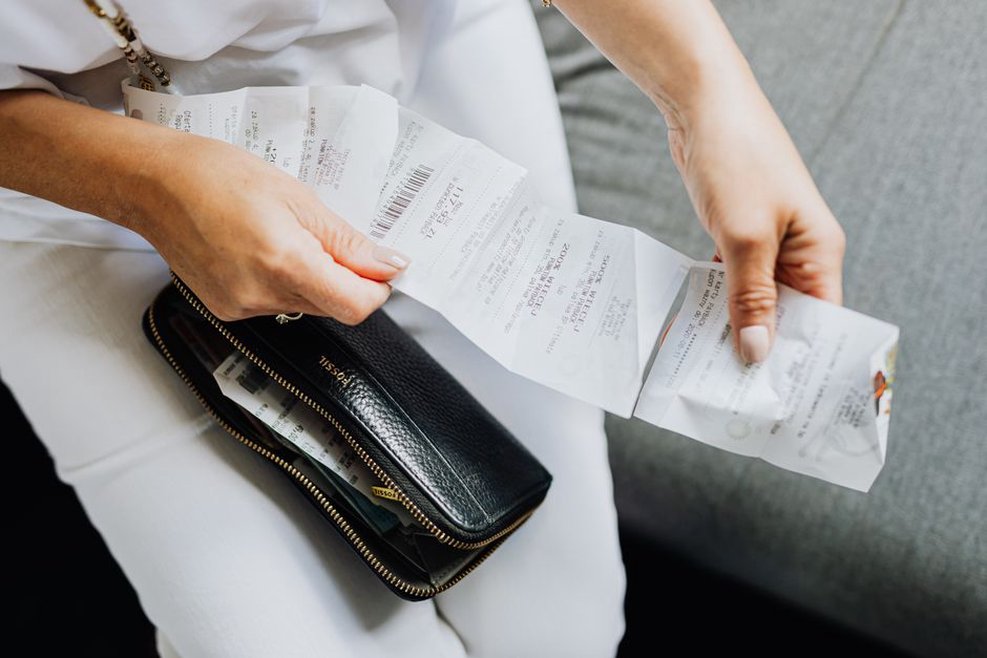
At month’s end, compare the plan with what happened. If groceries run over the estimate in three ordinary months, raise the estimate and reduce another category if needed. If a cost was unusual, note why and consider whether a set-aside would help next time. Review recurring charges, but pay attention to categories that are consistently too tight as well.
Make adjustments explicit. Moving $30 from entertainment to groceries is a decision; spending an extra $30 without changing anything else leaves a gap. When you underspend, decide whether the remainder stays available, goes toward an upcoming bill, or moves to savings. That way, your plan stays connected to your account balance.
Make the plan resilient to uneven months
Travel, celebrations, seasonal utility bills, and extra food costs can make one month look unlike the last. Estimate known costs before the month begins and adjust flexible categories temporarily. A calendar note beside each event may be more useful than dozens of spending categories. You can also keep a modest buffer for small surprises, as long as it is money you have—not an assumed overdraft.
With variable income, decide ahead of time what extra earnings will cover. One workable order is an essential shortfall first, then set-asides, then a cash reserve, and finally optional spending. Your order may differ. The point is to avoid taking on commitments in a good month that a lean month cannot support.
If your food choices change midmonth—perhaps you try a different meal routine or reintroduce a food after an exclusion period—note the spending change alongside it. A higher grocery bill might reflect a temporary experiment, rising prices, or more meals cooked at home. Each calls for a different budget adjustment.
Before the next month starts, jot down its known exceptions in one line: “insurance renewal $120, two guests for dinner, no extra paycheck.” Check that the renewal money is still there before assigning anything to dinner. If digestive symptoms persist or you plan to change your diet, discuss that with a doctor rather than letting the budget make the decision for you.