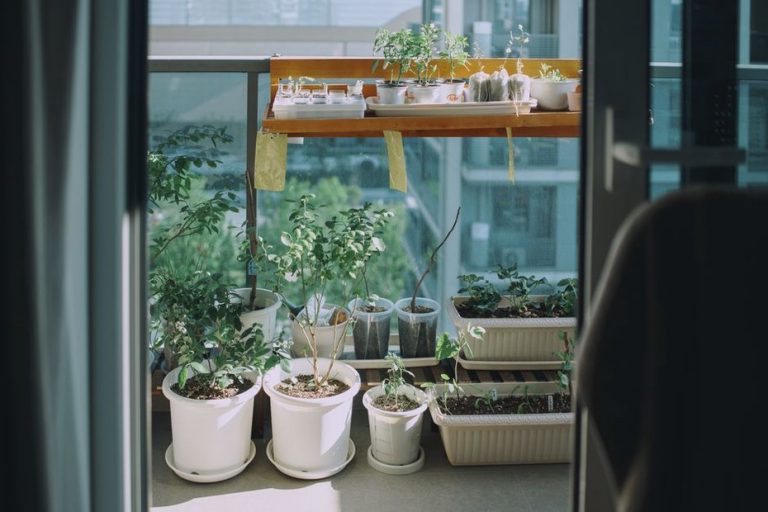
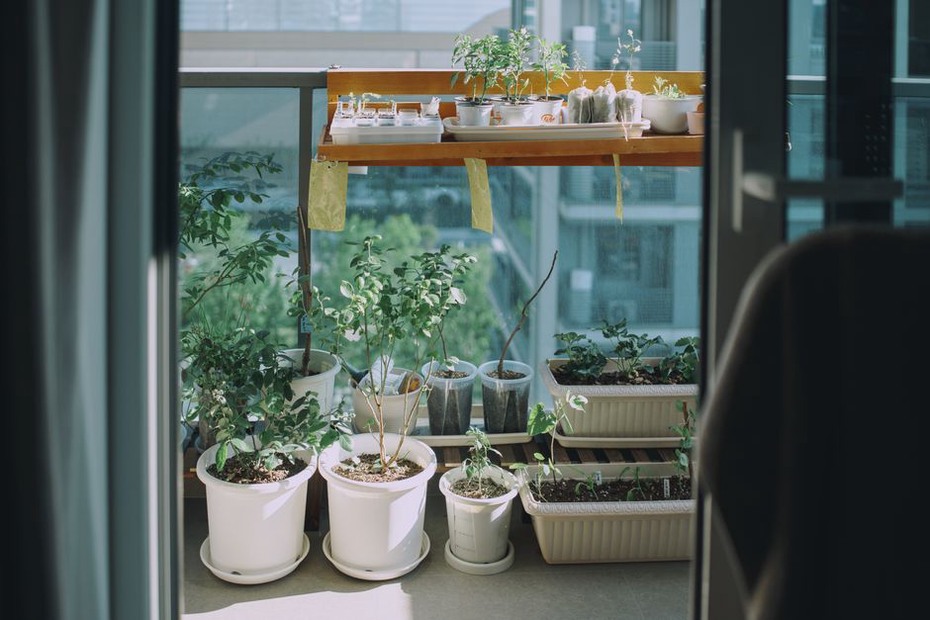
A pot without a drainage hole can leave roots sitting in water, even when the soil surface looks dry. Start with a pot that drains, a container potting mix, and one or two plants you already like to eat. That is enough to learn how light, water, and harvesting work in your space.
Container gardening puts fresh herbs and vegetables close to the kitchen, even if you have no yard. It can add variety to a paleo-style or other carefully planned eating pattern, but homegrown does not mean suitable for everyone. Growing a plant does not change an allergy, sensitivity, or dietary restriction.
Choose the spot before the plants
Watch your intended spot on a clear day. Note when direct sun arrives and when shade returns; a balcony railing, nearby building, or overhang can make a considerable difference. Fruiting plants such as tomatoes and peppers generally need at least six hours of direct sun and often do better with more. Leafy greens and many herbs can tolerate less, though they may grow more slowly. In a space with very little direct light, choose plants suited to those conditions.
Check the practical limits, too. Pots get heavy after watering, so follow balcony weight rules and keep exits and shared walkways clear. Wind can dry the mix quickly and topple tall plants. An easy-to-reach spot is usually more workable than a sunnier ledge that is awkward or unsafe to access. On a windowsill, make sure water cannot drip onto flooring or neighbors below.
Start with a short planting list
Pick crops that suit both the light and your meals. For a first season, two or three containers are easier to learn from than a crowded assortment. Herbs offer small, frequent harvests, while leafy greens can be picked a few leaves at a time. If you have plenty of sun and room for support, a compact tomato is another option.
- For a sunny space: Consider basil, thyme, a compact tomato, or a pepper. Check the mature size on the plant label; “compact” does not mean it will fit in a tiny pot.
- For partial sun: Try parsley, chives, lettuce, or other leafy greens, with modest expectations if direct light is brief.
- For a beginner-friendly pairing: Put chives in one pot and loose-leaf lettuce in another. You can harvest a little of each without planning a whole meal around one crop.
Individual needs matter more than a strict “companion planting” formula. Mint spreads vigorously and is easier to manage in its own pot. Rosemary prefers its mix to dry somewhat between waterings; lettuce usually needs steadier moisture. Separate pots let you care for each accordingly.
Match each container to its roots
Choose a container with drainage holes and enough room for the mature plant. Small herbs may do well in pots roughly 15–20 cm (6–8 inches) across, depending on the herb. A compact tomato typically needs much more space—often at least 20 litres (about 5 gallons)—plus a stake or cage. These are starting points, not rules for every variety; check the plant label and local growing advice.
Plastic and glazed pots retain moisture longer and are lighter to move. Unglazed terracotta dries faster, which can suit plants that dislike prolonged wetness, but it needs closer attention in hot weather. Dark containers can heat up in strong sun. If a full pot would be hard to move, position it before you fill it.
Use potting mix intended for containers, not soil dug from the ground. Potting mix leaves air spaces around roots while holding some moisture; garden soil can compact heavily in a pot. Leave a little room below the rim so water can soak in. Skip the layer of gravel at the bottom—it does not replace a drainage hole. A saucer can catch drips, but empty it when water collects.
Seeds or young plants?
Young plants make herbs, peppers, and tomatoes easier to start, especially where the growing season is short. Look for sturdy plants with healthy leaves rather than the tallest specimens. Seeds are often economical for lettuce and other quick-growing greens. Follow the packet’s sowing depth and spacing directions: a whole packet scattered into one pot leaves seedlings competing for light and water. Thin crowded seedlings to the recommended distance. If pulling extras might disturb nearby roots, cut them at soil level with clean scissors.
Plant, water, and learn the pot’s rhythm
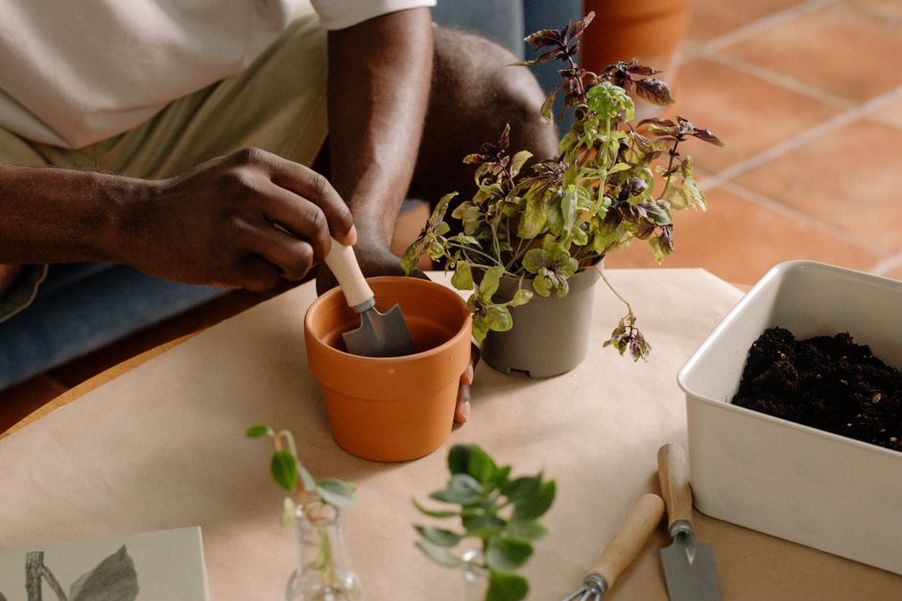
If a nursery plant is dry, water it before transplanting so the root ball is easier to handle. Set it at the depth recommended for that crop, fill around the roots, and firm the mix gently without packing it hard. Water until excess runs from the holes. Plants brought from an indoor shop or sheltered nursery into strong sun need a gradual introduction to outdoor conditions over several days.
After planting, check the mix instead of watering by the calendar alone. Push a finger a couple of centimetres down: if it feels dry there, water slowly until the pot drains; if it is damp, check again later. A pot that feels noticeably lighter may also be drying out. Heat, wind, container size, and plant growth all affect how fast water is used. Wilting can signal dry roots or overly wet, stressed roots, so feel the mix before adding water.
Potting mix has a limited nutrient supply, and some mixes already contain fertilizer. Read the bag before adding any. If growth slows or leaves look pale despite adequate light and sensible watering, follow the label directions for a fertilizer suited to edible container plants. Too much can harm roots. Store products away from children and pets.
Harvest and troubleshoot without overreacting
Cut herbs with clean scissors, taking modest amounts and leaving enough foliage for regrowth. For loose-leaf lettuce, take outer leaves once they are large enough to use and let the center keep growing. Pick ripe tomatoes and peppers regularly. Wash your harvest under running water before eating it, even when it came from your own pot.
Look under leaves now and then for insects, and notice whether stems are leaning toward the light. A few holes do not automatically call for treatment. Remove severely damaged leaves and identify a pest before deciding what to do. If a product is needed, use only one labeled for that edible plant and setting. When a plant keeps struggling, revisit the basics first: sun, drainage, moisture, root space, and recent weather.
Sometimes the season is the limiting factor. Lettuce may turn bitter or send up a flower stalk in heat; cool weather can slow warm-season crops. Replanting a suitable crop may be more useful than trying to rescue one past its productive stage. Compost spent plants only if your compost setup can handle them safely, especially if you suspect disease.
Keep the harvest useful for your meals
Grow food you actually cook with so the windowsill does not become another chore. A few chive stems can finish a baked sweet potato; parsley can go into a salad or alongside cooked vegetables. If you follow an elimination diet or are reintroducing foods, label what you grow and keep any food-and-symptom notes consistent. A homegrown harvest is not a way to test a suspected trigger on your own. Discuss persistent symptoms and planned dietary changes with a doctor; a garden is not a substitute for medical care.
For the first week, keep the watering can near the door and check one pot each morning before deciding whether to water. Note how long it takes the mix to dry after a thorough watering. That small observation will help more than a fixed schedule when the next warm or windy spell arrives.