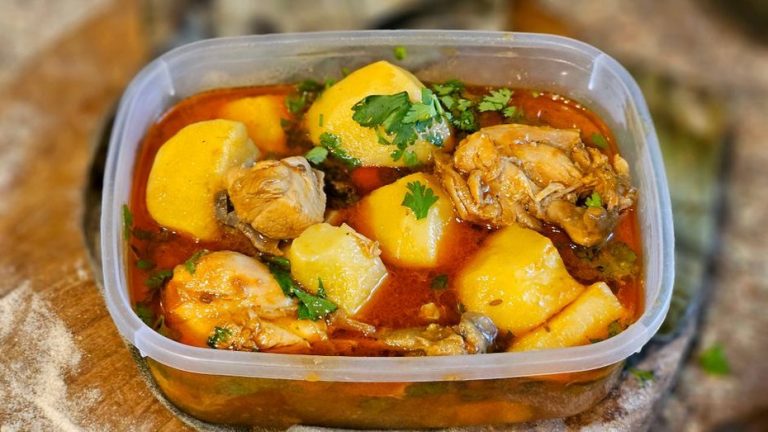
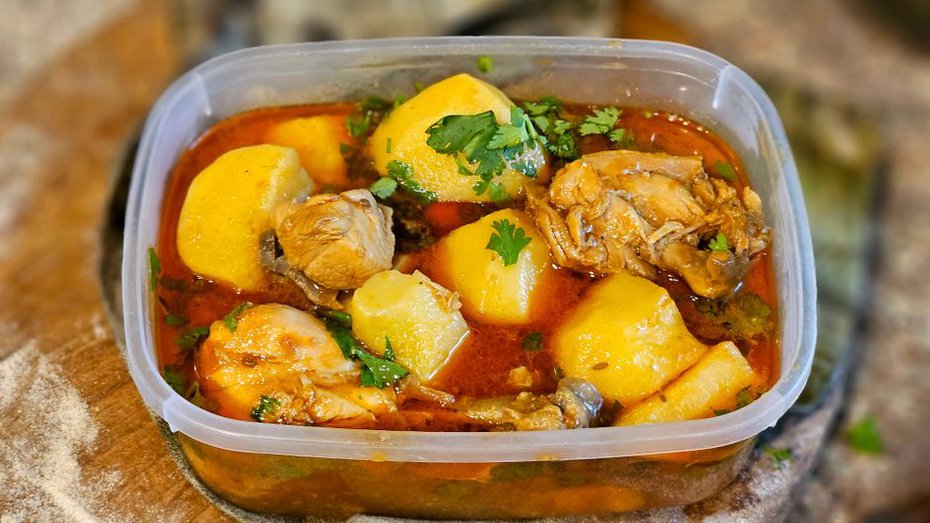
Roast a tray of chicken and vegetables on Sunday, and you have the start of several lunches—not five identical boxes. Put the chicken over greens one day, beside a roasted sweet potato the next, and into a warm vegetable bowl later in the week. Freeze a portion for that later lunch rather than counting on it to stay fresh in the refrigerator until Friday.
Lunch prep is easier to repeat when you keep it small: one protein, two vegetables and a dressing may be enough for a busy week. Add a few foods you can assemble without cooking. If you eat paleo or avoid certain ingredients, working with simple components also makes it easier to know what is in your lunch.
Start with a lunch you can assemble, not a menu to memorize
A satisfying lunch often includes protein, produce, an energy-providing side and some fat or dressing. For a paleo-style meal, you might pair chicken, salmon, eggs or leftover meat with vegetables, fruit, avocado or olive oil. Sweet potatoes, squash and plantains can help when a salad alone will not get you through the afternoon. Let your appetite, activity and needs guide portions; no single lunch ratio works for everyone.
Pick foods that can do more than one job. Roasted carrots fit into a cold chicken box or a warm bowl. Cucumber goes beside a frittata or into a lettuce wrap. A jar of olive-oil dressing gives leftovers a different finish. You can change the meal without cooking five recipes, which helps when meetings or travel shift your plans.
- One prepared protein: Roast chicken thighs, cook turkey patties or make a frittata if eggs suit you.
- Two produce options: Pair something sturdy, such as roasted carrots, with cucumber or washed greens.
- One filling side: Roast sweet potatoes or squash, or pack fruit alongside lunch.
- One finishing ingredient: Bring a dressing you tolerate, avocado to slice at lunchtime, or a small container of olives.
You can prep less, too. Washed greens, frozen vegetables and plain canned fish save time. If you avoid particular foods, check labels on sauces, seasonings and ready-to-eat proteins for ingredients you might not expect.
Six lunch ideas that use the same basic prep
1. Chicken, sweet potato and greens box
Pack cooked chicken, roasted sweet potato and greens in separate sections if you can. Add cucumber just before eating, and carry dressing separately so the greens stay crisp. Eat it cold if it has been stored and transported safely, or reheat the chicken and potato before adding them to the greens.
2. Turkey patties with carrots and slaw
Pack simply seasoned turkey patties with roasted carrots and shredded cabbage. Carry a slaw dressing made with olive oil and an acid you tolerate in a small sealed container. If raw cabbage bothers you, use lightly cooked cabbage or another familiar vegetable. Following an elimination plan? Check that the seasonings and dressing fit your current stage.
3. Salmon and cucumber lunch plate
Combine plain canned or pouched salmon with cucumber, leafy greens, avocado and leftover roasted vegetables. You can leave the salmon unopened until lunchtime and mix everything at work; remember utensils. It is a low-cook option when your prepared protein runs out. Follow the product’s storage instructions, and refrigerate the assembled meal promptly.
4. Leftover roast in lettuce cups
Pack sliced leftover roast meat with sturdy lettuce leaves, shredded carrots and dressing in a small container. Assemble the cups when you eat so the leaves do not turn soggy. Add squash or fruit if you need a more substantial lunch. If lettuce cups are awkward at your desk, eat the same ingredients from a bowl with a fork.
5. Vegetable frittata squares
Bake a frittata with eggs and cooked vegetables, then cut it into lunch portions. Pair a square or two with salad and sweet potato. Eggs are not suitable for everyone, including people avoiding them during the elimination phase of an autoimmune protocol, or AIP. In that case, use cooked poultry or another suitable protein instead.
6. Warm leftover bowl
Put cooked protein, roasted vegetables and a starchy vegetable in a microwave-safe container. Reheat until steaming hot, then add greens or dressing. This is a good use for bits of leftovers that would not make a full meal on their own. Keep a fork and a shelf-stable backup, such as an unopened pouch of plain fish, at work for the day you forget your lunch.
Prep in a short, realistic block
Make what you will eat over the next few days rather than trying to fill the refrigerator on Sunday. Start the food that takes longest to cook. While it is in the oven, wash produce, mix dressing and set out containers.
- Check your calendar and refrigerator. Count the lunches you need, note meals away from your desk and use suitable leftovers first.
- Cook one protein and one tray of vegetables. Choose seasonings you already enjoy. A simply seasoned base is easier to vary later.
- Prepare a no-cook element. Wash greens, slice sturdy vegetables or portion fruit.
- Pack the first lunches. Keep dressings and wet toppings in separate, leakproof containers.
- Set aside later-week portions. Freeze suitable cooked portions promptly, then thaw them in the refrigerator before use.
Wash produce and use clean utensils when portioning. Refrigerate cooked food promptly instead of leaving it on the counter while you run errands. As a general rule, use refrigerated cooked leftovers within three to four days and freeze portions meant for later. Follow local food-safety guidance and package instructions, especially for fish and other perishable foods.
No reliable refrigerator at work? Use an insulated bag with enough ice packs, and do not leave a perishable lunch in a warm car or at your desk all morning. Reheat leftovers thoroughly. Safe storage is part of the lunch plan.
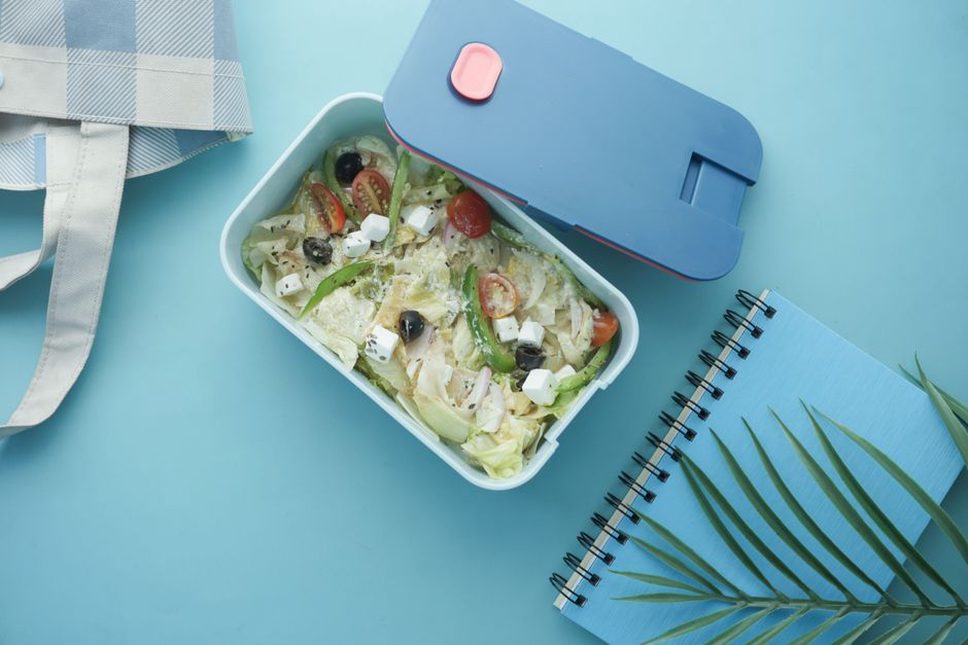
Make ingredient restrictions easier to manage
“Paleo-friendly” tells you only so much. A meal without grains or legumes might still contain eggs, nuts, peppers or an ingredient in the dressing that you avoid. AIP elimination is more restrictive than general paleo eating and is usually meant to be a temporary, structured process with reintroductions—not a reason to keep cutting foods indefinitely.
If you follow an elimination plan, write down your permitted ingredients before shopping and build lunches from that list. Plain protein and vegetables are often easier to adapt than packaged “free-from” products. Label homemade sauces if people in your household have different restrictions. During a reintroduction, keep the rest of lunch familiar so you can record the new food and any symptoms without changing several things at once.
You cannot diagnose the cause of bloating or other digestive symptoms from food choices alone. A short food-and-symptom log may reveal timing and patterns worth discussing with a clinician, but it cannot prove that an ingredient is responsible. Talk with a doctor about persistent symptoms and before making major changes to your diet, especially if your list of tolerated foods is getting shorter. Elimination diets do not replace medical care.
Adjust lunches for digestive comfort without making them bland
A lunch can look nutritious and still feel uncomfortable if it is much larger or contains far more raw vegetables than you usually eat. If a heaped salad leaves you overly full, try fewer greens alongside cooked carrots, squash or zucchini. Some people find cooked vegetables easier to eat in satisfying amounts, though responses differ.
Change one thing at a time rather than stripping the meal down. If an onion-heavy dressing repeatedly seems to bother you, try one made with ingredients you tolerate instead of removing every vegetable. If fatty meals feel uncomfortable, use less dressing and see whether a different balance of protein and starch suits you better. Adjust spices, acids, garlic and raw vegetables to your own preferences and tolerance; there is no need to avoid them just because someone else does.
Pack enough to feel satisfied without squeezing an oversized meal into a short work break. Saving fruit or another side for an afternoon snack is a scheduling choice, not a treatment for digestive symptoms. If discomfort keeps recurring, note what you ate and when, and discuss it with your doctor.
Keep the plan flexible when the week changes
A lunch meeting on Tuesday does not have to derail your prep. Move that portion to Wednesday if it is still within a safe refrigeration window, or freeze it promptly. If you get tired of cold lunches, choose components that reheat well and keep fresh toppings separate. On chaotic mornings, put a “lunch” note on the refrigerator door handle so you remember to add the chilled food to your bag before leaving.
You might prefer a small prep session for the first half of the week and a shorter one midweek. That second session could be as simple as cooking frozen vegetables and portioning leftover protein. For weeks when cooking is unlikely, keep a backup in mind: a suitable canned protein, ready-to-eat vegetables, fruit and a filling side you can quickly prepare at home.
On your next prep day, pack Monday’s lunch before putting the remaining ingredients away. Set the dressing beside it in the refrigerator and freeze one cooked portion for later in the week. Monday is ready to carry, and you have a fallback if plans change.