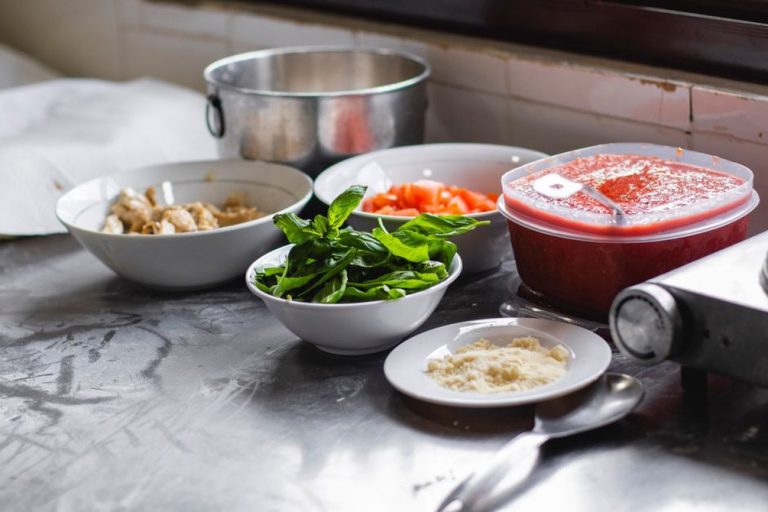

Before you remove foods for an AIP elimination phase, jot down everything you normally eat and drink over three days. Include sauces, snacks, and the meals you turn to when you’re tired. You may notice that breakfast depends on eggs, lunch usually comes from a café, or most dinners start with tomato sauce. Finding replacements for those routines will help more than filling a cupboard with unfamiliar ingredients.
The autoimmune protocol, or AIP, is a temporary elimination-and-reintroduction approach based on a modified paleo diet. It removes several food groups, then brings them back in a structured way while you observe symptoms. Research on AIP remains limited. It is not a diagnostic test, a proven treatment for autoimmune disease, or a substitute for medical care. Discuss persistent symptoms and significant diet changes with a clinician, ideally with support from a registered dietitian experienced in restrictive diets.
Decide whether this is a workable time to start
Pick a start date that leaves room for a few ordinary weeks rather than landing just before travel, a major celebration, or a demanding work deadline. Conditions don’t have to be perfect, but predictable meals make it easier to consider food alongside sleep, stress, and other possible influences on symptoms.
Seek individual guidance before starting if you are pregnant or breastfeeding, have a history of disordered eating, are underweight, manage diabetes, or have a condition that affects your nutritional needs. Ongoing diarrhea, blood in the stool, unexplained weight loss, or worsening symptoms call for medical assessment rather than stricter eating. If your clinician is investigating a possible food-related condition, ask whether changing your diet now could affect planned testing.
Set an endpoint for elimination before it begins
Elimination is a phase, not an indefinite list of forbidden foods. Agree on a review date with your clinician or dietitian, and leave time in your calendar for reintroductions afterward. There’s no single duration that fits everyone; extending the phase without a reason adds work and may leave nutritional gaps. Write down what you hope to observe, such as how often you have abdominal discomfort or how many days fatigue interrupts your routine, without expecting the diet to explain every symptom.
Translate the food rules into meals you can repeat
AIP elimination commonly excludes grains, legumes, dairy, eggs, nuts, seeds, nightshades, and foods made from them. It also typically avoids alcohol and certain highly processed foods and additives. Definitions vary between AIP resources, so choose one clear version with your healthcare professional rather than combining the strictest rules from several lists. Don’t remove extra foods simply because you suspect them. Each added exclusion makes meals harder to manage and the results harder to interpret.
Start with three familiar meal formats and adapt them. Dinner might be chicken, roasted carrots and sweet potato, and a generous portion of greens with olive oil. Leftovers can become lunch with a different cooked vegetable. If eggs and toast are off the menu, breakfast could be leftover protein with fruit and cooked vegetables. Make the meals substantial enough to satisfy you; plain greens aren’t a replacement for a full meal.
Build a short replacement list
- For eggs at breakfast: plan a reheatable savory meal or leftovers instead of depending on a new egg-free recipe every morning.
- For grain-based sides: rotate sweet potatoes, squash, and other starchy vegetables that fit your chosen AIP guidelines. White potatoes are nightshades, so they’re excluded during this phase.
- For dairy-based sauces: try olive oil with herbs you tolerate, or a coconut-based option if you already know coconut agrees with you.
- For spice blends: check for paprika, chili, pepper, and seed-derived spices. Keep a few clearly labeled, permitted seasonings on hand.
Sweet potatoes aren’t nightshades, despite their name. That’s an easy distinction to miss on a shopping list. For more ways to use starches without complicated substitutes, see the guide to choosing and cooking AIP-friendly root vegetables.
Make your kitchen and schedule support the plan
You don’t need to empty your pantry. If others in the household still eat excluded staples, move those foods to a separate shelf. Check labels on items you’ll use often, including broth, canned fish, coconut milk, condiments, and packaged meat. Ingredients vary by brand, and a “paleo” label doesn’t necessarily mean a product fits AIP elimination.
Shop for several days rather than a whole month. Choose two proteins, a mix of leafy and colorful vegetables, two filling starches, fruit, and cooking fats. Frozen vegetables and fish are useful when fresh produce runs out. If money is tight, spend it on ordinary ingredients you’ll cook, not specialty flours, snacks, or imitation versions of excluded foods.
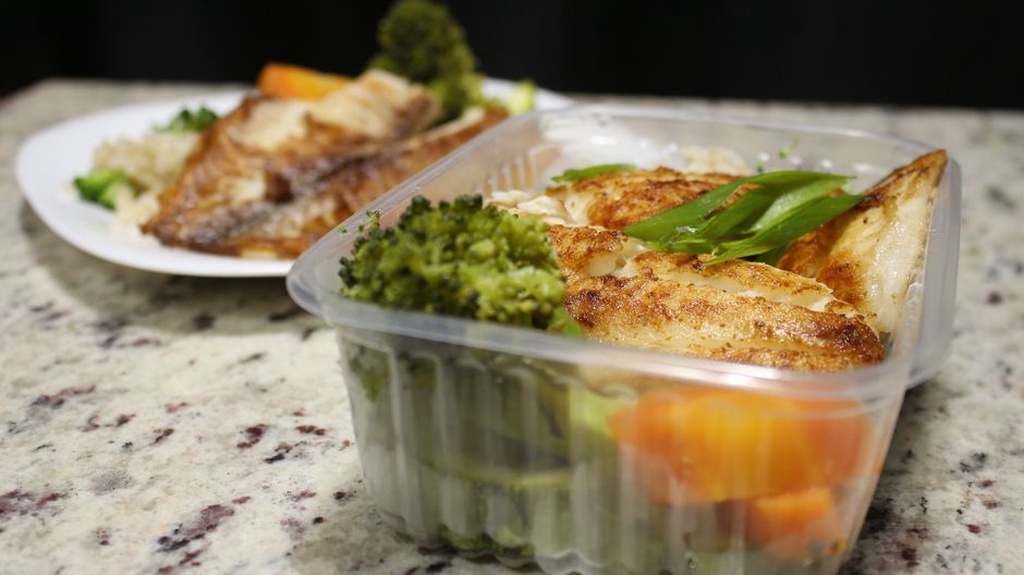
Set aside one prep window before your start date. Cook a protein, roast a tray of vegetables, wash produce, and portion a few lunches. Have a backup for a late evening, too: perhaps frozen fish, microwaveable plain vegetables, and a precooked sweet potato. Check that every component fits the rules you chose, especially dressings and marinades.
Record a baseline without turning meals into a test
During the week before elimination, note a few symptoms that matter to you, when they occur, and how much they affect daily life. One entry might read, “Bloating: mild after dinner; sleep: interrupted; work stress: high.” Include your existing medication routine in your notes, but don’t change medication without medical advice. The context is more useful than attributing every sensation to one ingredient.
Once elimination begins, keep using the same brief format. Record meals accurately enough to notice patterns, without scoring every bite or checking symptoms all day. Digestion can change with meal size, fiber intake, stress, menstrual cycles, and illness. An early change in bowel habits doesn’t prove an excluded food caused your symptoms. Feeling worse isn’t evidence that the diet is “working,” either. Contact your clinician if symptoms persist or intensify.
Prepare for the return of foods, not just their removal
Before day one, set up a place to record reintroduction trials. Your clinician or dietitian can help you decide when to start and which foods to try first. The general approach is to bring back one food at a time, note the amount and timing, and allow enough observation time before trying another. If symptoms arise during a trial, pause and discuss them with a professional; a reaction alone isn’t a diagnosis of intolerance.
Put your first review date beside your meal plan. Bring brief symptom notes and a record of what you’ve eaten, including foods you struggled to replace. If lunch has repeatedly been only fruit and vegetables, that’s something to address with your clinician or dietitian before continuing elimination.