A jar labeled “paleo” might still be wrong for your current AIP phase. Tomato sauce, for instance, may work for a paleo shopper but not for someone temporarily avoiding nightshades. Write your phase at the top of your grocery list—paleo, AIP elimination, or AIP with particular foods reintroduced—before you head to the store. It gives you a useful reference when a package makes a broad claim.
Paleo generally includes vegetables, fruit, meat, seafood, eggs, nuts and seeds while excluding grains, legumes and dairy. AIP elimination is more restrictive: it also temporarily excludes eggs, nuts, seeds and nightshades, among other ingredients. It is an elimination-and-reintroduction approach, not a permanent definition of healthy eating. Plans differ, so use the guidance you’ve discussed with your clinician or dietitian rather than treating a package label as the rulebook.
Build the list around meals, not specialty products
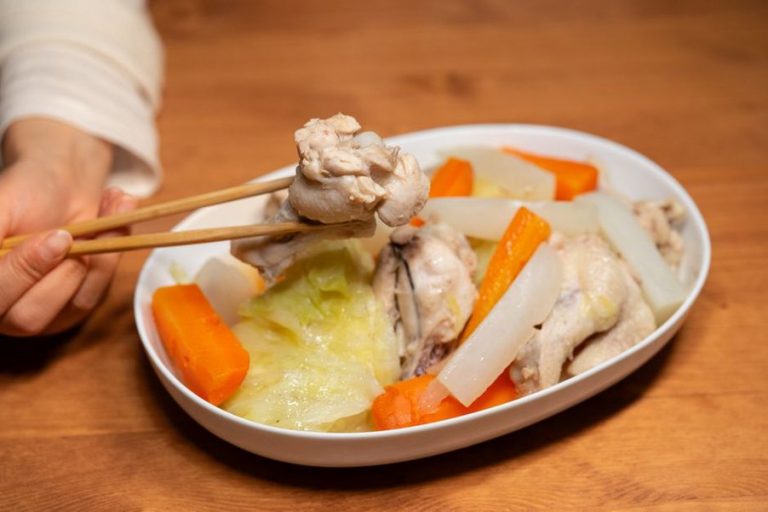
Pick two or three meals you can realistically cook, then group their ingredients by store section. A tray of chicken thighs and vegetables can cover dinner and leftovers. Ground turkey could become patties or a skillet meal; frozen fish could cover another evening. Once those meals are on the list, add fruit and snacks. Otherwise, it’s easy to come home with expensive condiments and little to make for dinner.
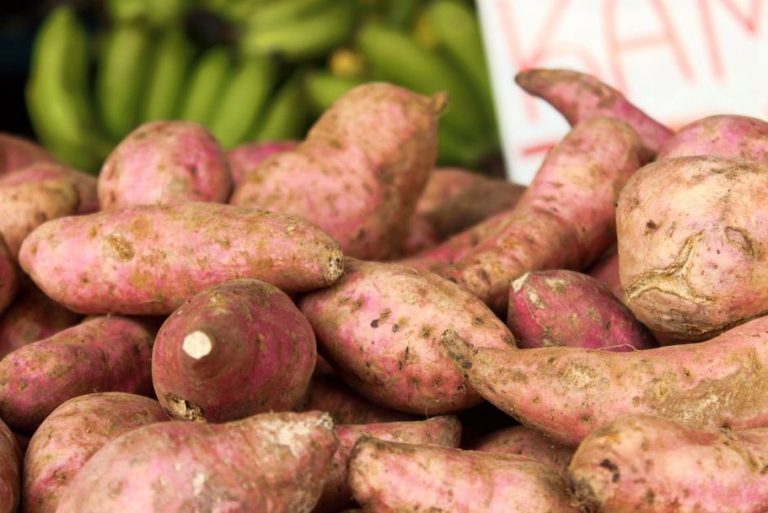
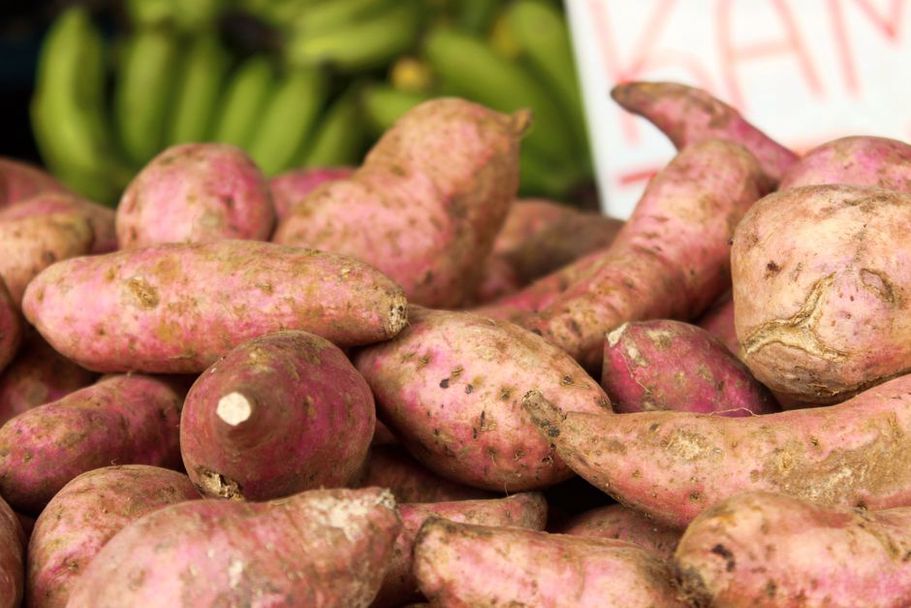
For each meal, check that you have a protein food, vegetables, a satisfying carbohydrate source if you want one, and a suitable cooking fat. Potatoes fit many paleo plans, but they’re nightshades. During AIP elimination, sweet potatoes, squash or another tolerated root vegetable may work instead. Buy for the evenings you’ll actually be home, not an imaginary week when you cook every night.
Make one list with clear priorities
- Essentials: ingredients for planned meals and staples that are running low.
- Flexible choices: one or two vegetables or fruits you can choose by price and freshness.
- Optional extras: snacks, specialty sauces and baking ingredients, if the budget allows.
Look in the refrigerator, freezer and pantry before you write the essentials. Carrots or frozen greens you already have may replace an item on your list. If your household follows different versions of paleo or AIP, start with a shared base meal and mark separate add-ons instead of planning two full carts.
Use store sections to find flexible staples
In produce, a short list can still give you variety. Carrots or cabbage hold up well in cooked meals; greens are easy to add quickly. Choose fruit you’re likely to eat before it spoils. Frozen produce is handy when fresh options are expensive or unpredictable. During AIP elimination, check frozen blends for peppers, tomatoes and seasoning packets. Plain, single-ingredient bags are easier to assess.
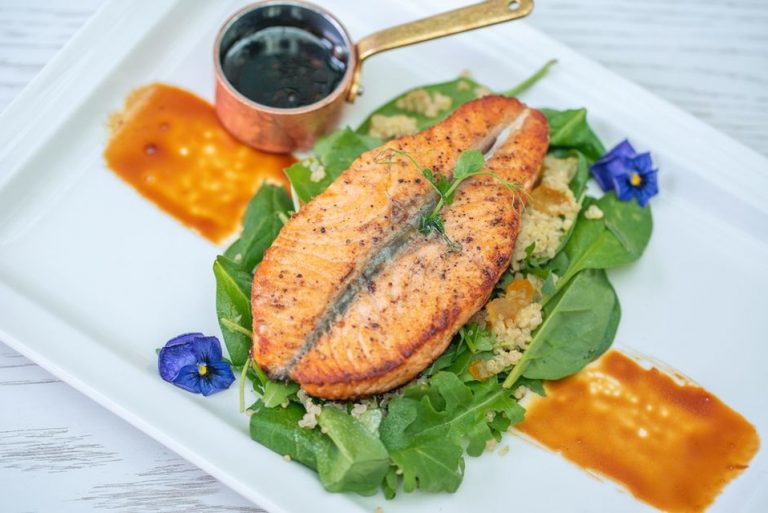
At the meat and seafood counter, compare unit prices rather than assuming you need a particular cut. Chicken thighs, cheaper cuts suited to slow cooking, canned fish and frozen seafood may be more useful than premium steaks. Plain products make ingredient checks easier. Pre-marinated meat, sausages and breaded fish still need a closer look, even when the front of the pack emphasizes protein or simplicity. Check the packing liquid or sauce on canned fish, too.
Pantry basics might include olive oil, a suitable vinegar, canned fish, plain coconut milk and seasonings that fit your phase. Nut-based foods may suit a paleo shopper but generally belong outside AIP elimination unless your individual plan says otherwise. You don’t need a shelf of specialty flours or bars. Buy a sauce only if you like it, can use it before it expires and have checked its ingredients.
Read the ingredient list before the front label
“Paleo,” “grain-free” and “dairy-free” each tell you only so much. A grain-free cracker may use seed flour; a dairy-free dressing may contain soybean oil or seasonings that don’t fit your AIP phase. Read the full ingredient list on unfamiliar products, and check familiar ones now and then—recipes can change.
Try scanning a label in this order:
- Identify the base: Is this the food you meant to buy, such as plain canned salmon, or a substitute with a longer ingredient list?
- Check exclusions for your phase: During AIP elimination, look for eggs, nuts, seeds, nightshades and their derivatives. Tomato powder and pepper-based spices can turn up in savory blends.
- Read the less obvious ingredients: Broths, sauces and deli meats may contain sugar, starches, flavorings or additives that matter under your guidelines.
- Check the allergen statement separately: It identifies certain allergens but isn’t a complete guide to paleo or AIP suitability.
An unfamiliar ingredient isn’t automatically harmful. If a product is hard to assess in the store, choose a simpler one or check it against your plan at home. If you have a medically diagnosed allergy, follow your clinician’s advice on labels and cross-contact; a dietary protocol does not replace allergy precautions.
Choose condiments with an intended use
Olive oil and vinegar may cover several meals for less than a collection of bottled dressings. During AIP elimination, check spice blends as well: paprika and chili come from nightshades, and blends may contain seed spices. If plain herbs do the job, you don’t need a complicated substitute. Check vinegar and other fermented products against your individual plan if you have specific restrictions.
Shop for freshness and storage capacity
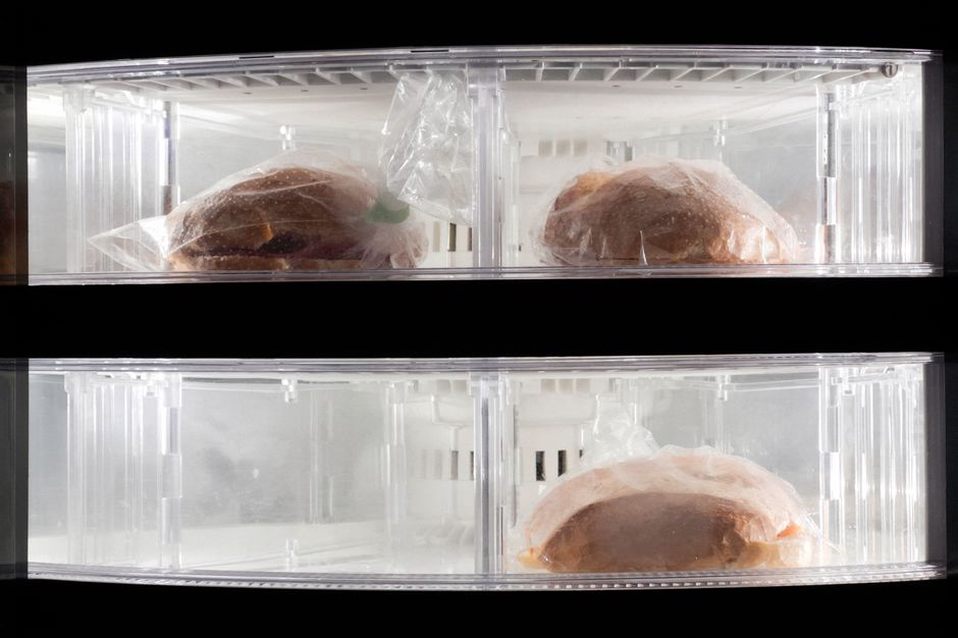
A bargain helps only if you can store and use it safely. Plan tender greens for earlier meals and keep sturdy vegetables or frozen options for later. If a large pack of meat is cheaper per unit, divide it into meal-size portions and freeze it promptly. Label the portions with their contents and dates so they’re easy to identify later.
Follow package storage directions and local food-safety guidance for refrigeration and thawing. Keep raw meat apart from foods you’ll eat without cooking, and take a cooler bag if the trip home will be long or warm. Those steps matter more than a particular farm name or an organic label. If organic produce strains your budget, conventional produce you can afford and regularly eat is a practical choice.
Keep AIP elimination shopping temporary and adequate
A shorter list of allowed foods can make AIP elimination meals repetitive—or leave you with too little to eat—if you focus only on what to avoid. Start with substantial foods: protein sources, varied vegetables, fruit and carbohydrate-rich options that fit your phase. Add fats and seasonings you enjoy. Several versions of the same restrictive snack won’t make up for skipped meals.
When reintroducing a food, shop for the specific item you and your clinician have chosen to test, ideally with few other ingredients. A plain egg, for example, is easier to track than an egg-containing baked product with several unfamiliar ingredients. Keep the rest of your basket familiar so changes are easier to interpret. There’s no need to discard foods that already fit your plan because a new product is marketed as more “AIP-friendly.”
Discuss persistent digestive symptoms and changes to your diet with a doctor. A registered dietitian can help assess whether a restricted phase meets your nutritional needs. Seek medical advice rather than removing more foods to investigate ongoing symptoms on your own; digestive responses have many possible causes, and a grocery list cannot diagnose them.
A quick cart check before checkout
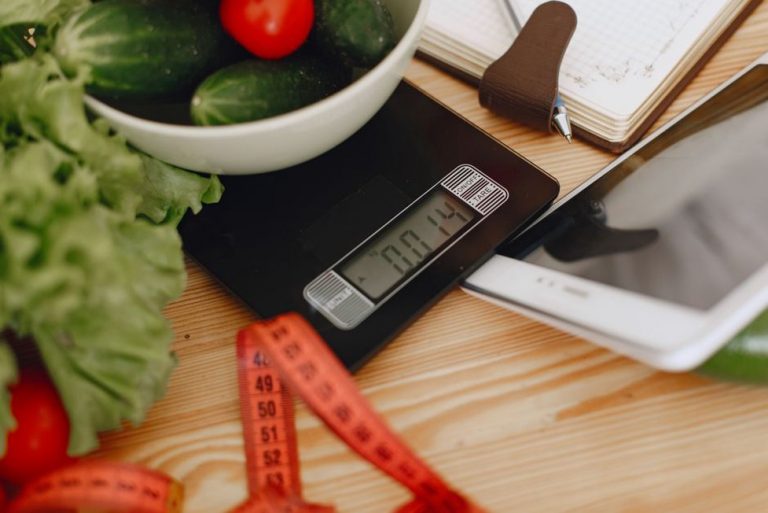
Before paying, compare your cart or online order with the meals you planned. Do you have enough for each meal, including one for a busy day? Do the ingredients fit your current phase, rather than simply carrying a paleo label? Is there room to store the perishables? If an extra specialty item has pushed out a staple, put the staple back.
For three dinners, you might buy chicken thighs, ground turkey, plain frozen fish, carrots, cabbage, greens, sweet potatoes, fruit, olive oil and a suitable seasoning. Once home, put the fish in the freezer, plan to use the greens first and date any meat portions you freeze.