

Feeling bloated after lunch does not necessarily point to one ingredient. A large serving of vegetables, a rushed meal, a rich sauce, or an unrelated digestive condition could leave you feeling much the same way. Before cutting out more foods, jot down what you ate, roughly how much, when symptoms began, and whether it has happened before.
Paleo and the autoimmune protocol (AIP) offer ways to organize a dietary change, but neither identifies a food sensitivity on its own. The useful question is narrower: which foods, if any, are consistently associated with symptoms during ordinary eating? You need enough consistency to spot a pattern, without turning a short experiment into needless long-term restriction.
First, be clear about what a reaction might mean
“Food sensitivity” is an informal umbrella term, not a diagnosis. Symptoms after eating can have different causes. A food allergy involves the immune system and may cause a rapid, dangerous reaction. An intolerance may depend on how much you eat or on difficulty digesting a component such as lactose. Meal size, fat content, stress, medication, infection, and conditions that need medical assessment can also affect digestion.
If a food has caused hives, swelling, wheezing, throat symptoms, faintness, or another severe reaction, do not test it again at home. Seek urgent medical help for signs of a serious allergic reaction. Repeated vomiting, blood in the stool, unexplained weight loss, persistent diarrhea, or symptoms that wake you from sleep also warrant medical attention. Discuss persistent symptoms and planned dietary changes with a doctor; a diet experiment is not a substitute for care.
Removing a food can make some conditions harder to investigate. If gluten seems to be an issue, for example, ask a clinician about testing for celiac disease before starting a gluten-free diet. A previous reaction may need evaluation as a possible allergy rather than a casual reintroduction. That distinction matters more than choosing between paleo and AIP.
What paleo and AIP change—and what they cannot tell you
A typical paleo pattern centers meat, fish, eggs, vegetables, fruit, nuts, seeds, and other minimally processed foods while excluding grains, legumes, and dairy. It is a broad eating pattern, not a standardized diagnostic test. Switching to paleo may also change your fiber intake, portions, food preparation, and reliance on packaged foods. Feeling different afterward does not prove that any one excluded food was responsible.
AIP is more restrictive during its elimination phase. Along with grains, legumes, and dairy, it generally removes eggs, nuts, seeds, nightshade vegetables, and certain food additives, among other items; versions differ. Structured reintroduction is part of the approach, rather than indefinite avoidance of everything removed. Research on AIP for autoimmune and digestive conditions remains limited. Some people report feeling better, but existing studies do not establish that it treats a condition or reliably identifies trigger foods.
Neither approach is necessary for every case of bloating or discomfort. If symptoms seem to follow one particular food, removing several food groups at once may make the answer harder to find. And if dairy has been absent from your diet for years, starting AIP will tell you nothing new about dairy unless you later assess it carefully. A narrower change, planned with a clinician or dietitian when appropriate, is often easier to interpret and live with.
Choose the smallest useful experiment
Start with the symptom you want to understand. “My digestion feels off” is hard to assess; “abdominal discomfort two to four hours after lunch, three days a week” gives you something to look for. Before considering an elimination phase, note whether the symptom is new, persistent, severe, or accompanied by warning signs.
A short record of your usual meals may show whether symptoms follow a repeatable pattern or fluctuate regardless of what you eat. There is no need to weigh every ingredient. Note meal timing, main ingredients, approximate portions, symptoms, and circumstances such as illness or a disrupted routine. If tracking becomes stressful or prompts you to eat less, simplify it and discuss another approach with a professional.
When you and a clinician decide a food trial is reasonable, agree on what will change and what will stay steady. It is hard to interpret the result if you remove dairy, start a demanding workout routine, double your vegetable intake, and change your meal schedule at the same time. Keep familiar foods and routines where you can. You do not need a perfectly controlled life—just a comparison you can make sense of later.
- One suspected food: A targeted trial may be more useful than a full protocol, especially if you eat the food often and the symptom pattern is specific.
- Several possible foods: A structured elimination may be useful with professional guidance, as long as you have a plan to bring foods back and maintain adequate nutrition.
- Unpredictable or worsening symptoms: Seek medical evaluation rather than adding more foods to an avoidance list.
Make an elimination phase interpretable
If you use a paleo-style or AIP elimination phase, set its boundaries before you start. Write down which foods you will exclude, which version you are following, which symptom you will monitor, and when you will review the results. “I’ll stay on AIP until I feel completely well” offers no workable endpoint. Symptoms can have causes unrelated to food, and waiting for perfection can prolong restriction.
Consistency helps, but an uncertain ingredient need not become a crisis. Prepare a few repeatable meals with foods you already tolerate, and check unfamiliar sauces and seasonings. If you accidentally eat an excluded food, note it rather than assuming the whole trial is ruined. The exposure might be informative, inconclusive, or unrelated to what you feel next.
Pay attention to quantity as well as the food name. A few bites of cooked cabbage and a large raw cabbage salad are different meals for digestion. Replacing bread with a very large serving of nuts or dried fruit may also affect symptoms for reasons unrelated to grain avoidance. Keep portions reasonably comparable instead of overhauling everything on the plate at once.
Protect the foods that are still available
In practice, a restricted diet can become narrower than its written rules require. On paleo, variety might include fish or other protein foods, vegetables prepared in different ways, fruit, starchy roots, and tolerated nuts or seeds. AIP removes some of those options, making planning more important. Rotate protein choices and vegetables, include enough satisfying food, and pay attention to nutrients that may be harder to obtain without dairy, grains, legumes, eggs, nuts, and seeds.
Removing dairy changes familiar sources of calcium; removing grains and legumes may affect fiber intake and meal costs. Suitable alternatives depend on your whole diet, not on a universal “AIP superfood.” A registered dietitian can help assess whether you are getting enough to eat if the trial runs long, you have other restrictions, or meals are becoming difficult. Hunger or reliance on a handful of foods makes for a poor test.
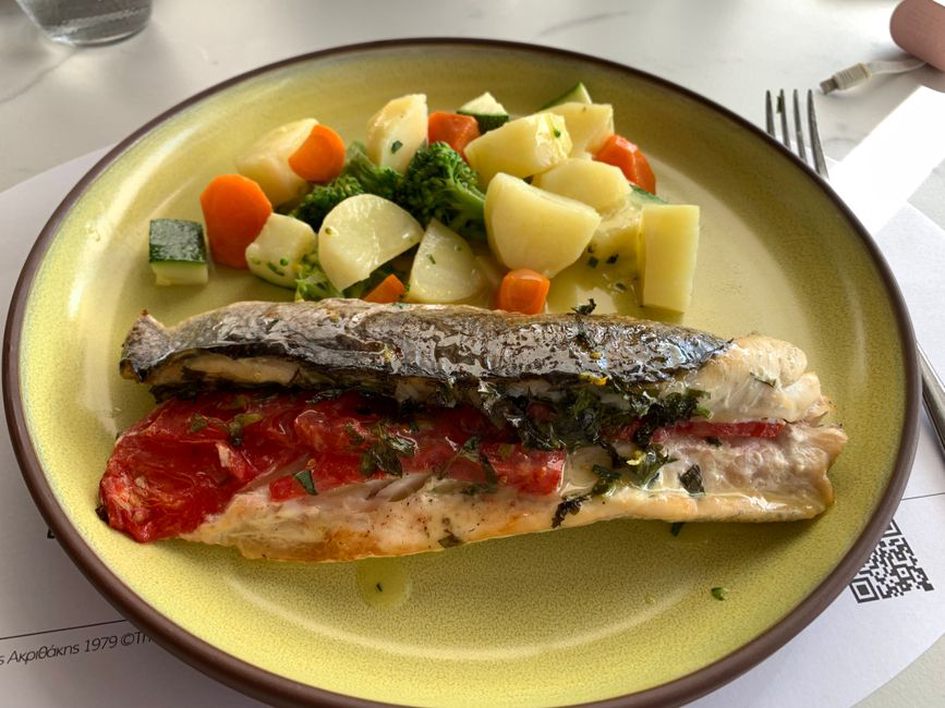
Simple meals can keep variables manageable without becoming monotonous: cooked greens and a starch alongside fish, roasted vegetables with poultry, or soup made with tolerated vegetables and meat. Some people find cooked produce easier to manage than a large raw salad. That does not make raw vegetables universally problematic; if preparation is what you want to test, change that rather than banning the vegetable.
Bring foods back to learn something useful
Reintroduction is what makes an elimination approach more useful than a list of forbidden foods. Once symptoms are reasonably stable and you have reviewed the elimination phase, choose one food to test while keeping the rest of your meals familiar. Do not reintroduce it while acutely ill or if a previous reaction suggested an allergy. Ask your clinician how to handle foods that may be medically unsafe or require testing.
Start with a modest amount, observe how you feel, and, if appropriate, try a more typical portion on a separate occasion. Allow time to assess the pattern before testing another food. No exact schedule suits every symptom or health history, so agree on a plan with a qualified professional. Record the food, amount, preparation, timing, and any response. “One well-cooked egg at breakfast with my usual vegetables” is more useful than “egg.”
One uncomfortable afternoon is not necessarily a verdict. Did the symptom resemble your usual concern? When did it start, how intense was it, and what else had changed? A restaurant meal with the tested food and several unfamiliar ingredients tells you less than a plain portion at home. If a food seems well tolerated, keeping it in your diet restores variety and makes later comparisons easier.
Portion size may matter, too. Tolerating a little of a food but not a large serving does not automatically mean you must avoid it altogether; it may be a portion question to discuss with your clinician. There is no need to repeatedly provoke significant symptoms to “prove” a pattern. Stop a challenge that causes concerning symptoms and seek medical advice.
Do not confuse a digestion change with a single trigger
Bloating during a paleo or AIP transition may reflect changes in fiber, portion size, or the balance of raw and cooked produce. Foods permitted on these plans can contain fermentable carbohydrates, so following the rules does not guarantee digestive comfort. You might feel better after changing the portion or cooking method of the same vegetable. That observation is useful even if it never yields a tidy “safe” and “unsafe” list.
The gut microbiome often comes up in explanations of food reactions. But a symptom diary cannot show which microbes are present or prove that a protocol has “reset” them. Diet can affect microbial communities, and a range of plant foods can provide different fibers. Microbiome research does not, however, give you a simple reason to eliminate more foods after every bout of gas. If your restrictions keep growing, discuss that loss of variety with a dietitian.
Know when the plan needs to change
Set review points for a food trial, not just rules. If the symptom you chose has not meaningfully changed, consider whether the trial answered its original question before extending it. If you feel better after removing many foods, reintroductions still matter: the improvement alone cannot tell you which change helped. Social difficulty, anxiety around eating, or a diet that has become nutritionally narrow belong in the assessment as well.
Discuss persistent symptoms and any substantial dietary change with a doctor, particularly if you have an autoimmune or digestive condition, are pregnant, have a history of disordered eating, or already avoid multiple food groups. At your next review, bring a brief observation rather than a permanent label: “I ate a small portion of the tested food with my usual lunch on Tuesday. Discomfort began three hours later, but it did not recur after the second trial.” That gives you and your clinician something specific to work with.