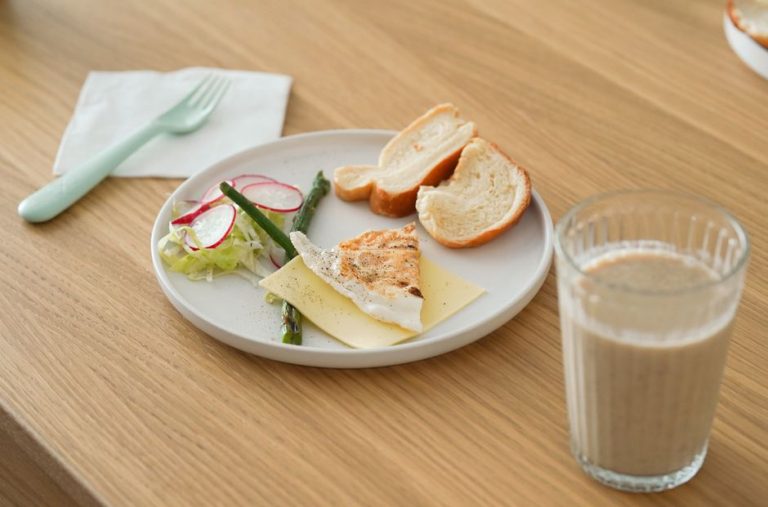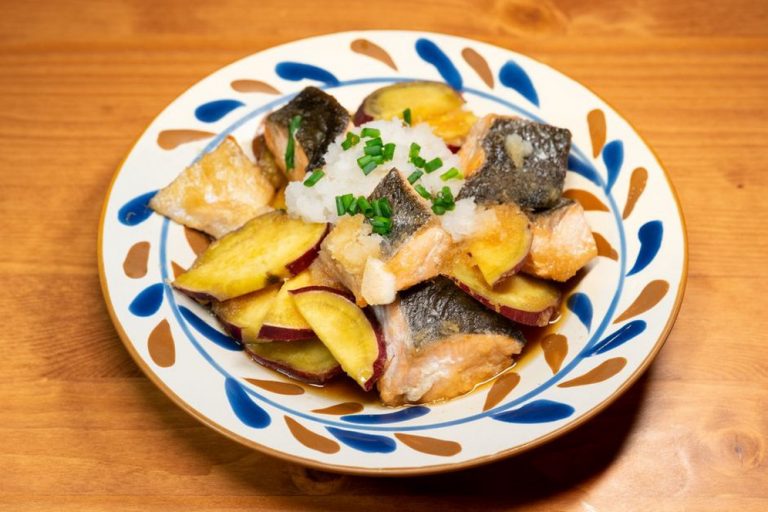
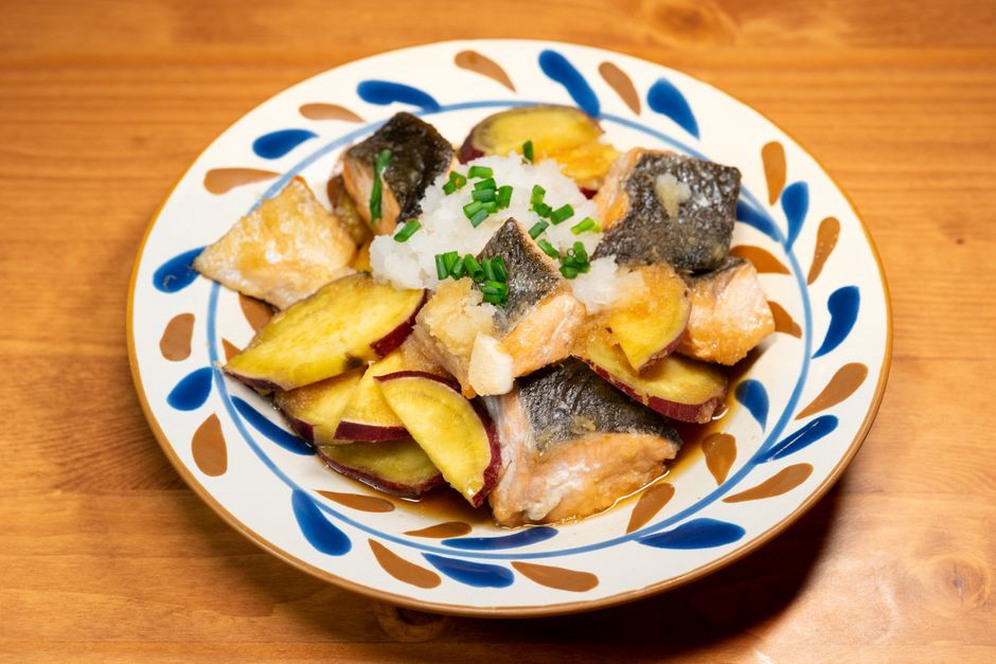
Grilled chicken and lettuce may fit a paleo diet, but the plate leaves little room for variety or a satisfying amount of energy. Add a baked sweet potato, cooked greens and a little olive oil, and you have a wider mix of nutrients and a more substantial meal. That's nutrient density in practice: choosing foods that contribute useful nutrients, while remembering that a short ingredient list doesn't automatically make a meal nourishing.
Paleo eating generally emphasizes meat, fish, eggs, vegetables, fruit, nuts and seeds while leaving out grains, legumes and dairy. It can make room for nutritious foods, but it doesn't guarantee enough calcium, fiber, energy or any other nutrient. Look at what you eat across meals and weeks, including portions, variety and the foods you tolerate.
What nutrient density does—and does not—measure
In nutrition research, nutrient density often describes the vitamins, minerals and other beneficial components a food provides relative to its calories. Leafy greens offer several micronutrients for relatively few calories. Sardines with edible bones provide protein, omega-3 fats and calcium in a modest serving. But low-calorie foods aren't always the best choice. Olive oil supplies little protein or fiber, yet its fat can help you get enough energy and make vegetables more appealing.
Ask three separate questions: What nutrients does this food contribute? Does the meal provide enough energy and protein? Does the overall diet cover nutrients that are easy to miss? Nutrients per calorie matter less if you're eating too little. And even a generous serving of one highly nutritious food won't make up for a consistently narrow menu.
Build a more complete paleo plate
Start with a protein food and one or more plant foods, then add a source of carbohydrate if you need one and some fat. It's a flexible template, not a rule about portions. Appetite, activity, food access and medical needs all affect how much you need.
- Rotate protein sources. Fish, poultry, meat and eggs bring different nutrients. Fish can contribute omega-3 fats and iodine, depending on the species; red meat provides readily absorbed iron and vitamin B12; eggs contribute choline. Choose what works for you rather than relying on one option every day.
- Use vegetables for more than volume. Dark greens, orange vegetables, cruciferous vegetables and mushrooms offer different combinations of vitamins, minerals and fiber. Cooked vegetables count, and they may be easier to eat in useful amounts than a large raw salad.
- Keep satisfying carbohydrates available. Potatoes, sweet potatoes, winter squash, fruit and other starchy plants provide energy alongside potassium or other nutrients. Paleo meals don't have to be low in carbohydrates.
- Add fats with purpose. Olives, avocado, nuts, seeds and their oils add energy and flavor. They have a place on the plate, but don't replace protein and produce.
Roast chicken with carrots, a generous serving of potatoes and sautéed kale offers more variety than chicken over lettuce. If kale bothers you, try cooked zucchini or peeled carrots instead. You don't have to eat the most impressive-looking vegetable to eat well.
Nutrients that deserve a closer look
Calcium and vitamin D
Without dairy or calcium-fortified alternatives, getting enough calcium can be difficult. Canned salmon or sardines with edible bones, certain cooked greens and some seeds can contribute, though calcium content and absorption vary. Spinach contains calcium, but compounds called oxalates limit how much you absorb. Vitamin D is found in relatively few foods; some fatty fish and eggs provide modest amounts. Sun exposure, location and individual circumstances also affect vitamin D status. A clinician or registered dietitian can help assess your usual intake rather than leaving you to guess from a list of approved foods.
Iron, iodine and other minerals
Meat and seafood can provide iron and zinc, but needs differ. Someone who menstruates, for example, may need more iron than someone who does not. Iodine also deserves attention if you've cut out dairy and don't use iodized salt. Seafood and eggs may provide some, but amounts vary. Seaweed isn't a simple fix: its iodine content can vary widely, and large quantities may provide too much. Fatigue or other symptoms aren't proof of a particular deficiency; ask a healthcare professional about appropriate assessment.
Fiber and potassium
Removing grains and legumes takes away convenient sources of fiber. Vegetables, fruit, nuts, seeds and starchy plants can help fill the gap, but a diet based mostly on meat and paleo-labeled snacks may still fall short. Potatoes, squash, leafy greens and fruit can contribute potassium. Add plant foods you tolerate gradually, and drink enough fluid. A sudden jump to very large servings of produce may be uncomfortable.
Variety matters more than a superfood
Organ meats, shellfish and oily fish are often promoted as nutrient-dense paleo foods. They can be useful, but none is mandatory. Liver is rich in vitamin A, for instance, so eating large portions frequently isn't automatically better. People who are pregnant or could become pregnant should seek individualized advice because too much preformed vitamin A can be harmful. If shellfish is unavailable or you have an allergy, you can still build nourishing meals from other foods.
Think about variety over a week, not at every meal. Your shopping list could include two kinds of protein, vegetables in several colors, a couple of fruits and a starchy option. Change one or two choices the following week. Frozen vegetables and canned fish help when fresh options are expensive or inconvenient. A few meals you actually cook, with ingredients you rotate, are more useful than a collection of special recipes you rarely make.
When digestive comfort limits your choices
A food's nutrient profile won't help much if discomfort makes you avoid it. Preparation and portion size can make a difference: a small serving of cooked cabbage may feel different from a large raw cabbage salad. Change one thing at a time, such as cooking a vegetable thoroughly or serving less of it. That makes it easier to see what works without removing entire food groups unnecessarily.
Temporary elimination approaches, including the autoimmune protocol (AIP), can narrow an already restricted paleo menu further. If you follow one, look closely at the foods you can still eat rather than assuming restriction improves nutrition. AIP excludes eggs, nuts and seeds during its elimination phase, for example, so meals that depended on those foods need other satisfying components. Discuss elimination and gradual reintroduction with a clinician or registered dietitian, especially if you have a diagnosed condition, a history of under-eating or persistent digestive symptoms. An exclusion diet is not a substitute for medical care.
If people in your household eat differently, planning meals for paleo and AIP eaters offers a way to keep a shared meal flexible without assuming everyone needs the same restrictions.
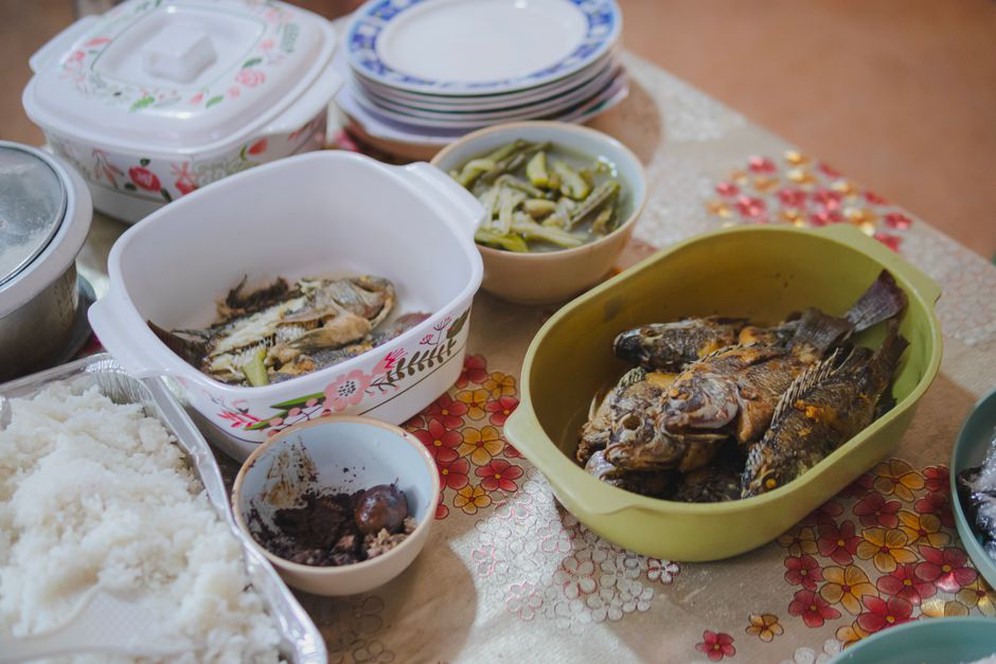
Check the pattern without counting everything
Nutrition apps can estimate intake, but entries and portion estimates vary. Before tracking numbers, look over three or four ordinary days, including a busy one:
- Write down the main protein foods and plant foods you actually ate, not the foods you meant to eat.
- Look for repeated omissions. Are starchy foods absent even though you're often hungry? Are vegetables only a garnish? Have fish or calcium-containing foods disappeared from your routine?
- Choose one feasible addition or swap for the next grocery trip, such as frozen spinach for omelets or canned salmon with edible bones for lunches.
- Check again after a week. Keep the change if it suits your appetite, budget and comfort; adjust it if it doesn't.
This check can't diagnose a deficiency. If symptoms persist, your menu keeps shrinking or you're concerned about meeting your needs, discuss the symptoms and any planned dietary changes with a doctor. A dietitian can help turn individual needs into meals without making you calculate every bite.
For one small test next week, start with a familiar lunch. If you usually have plain chicken and greens, add a potato; on another day, try cooked carrots in place of the greens. The meal stays familiar, but you get a practical way to see whether more variety fits your appetite and comfort.