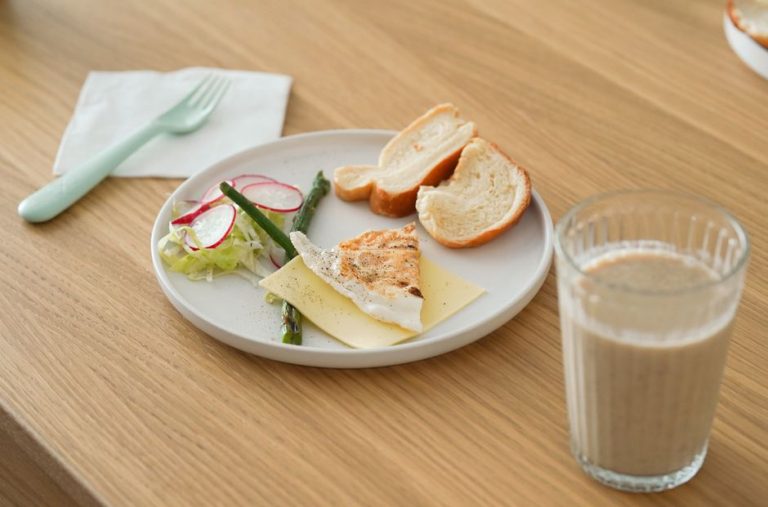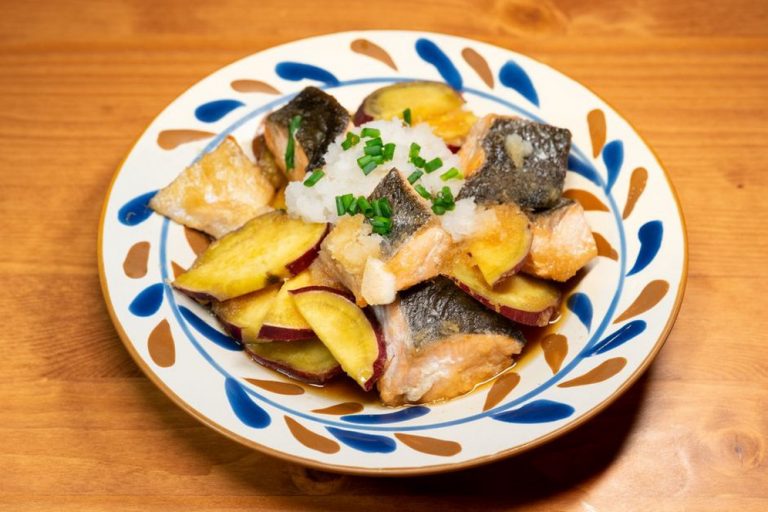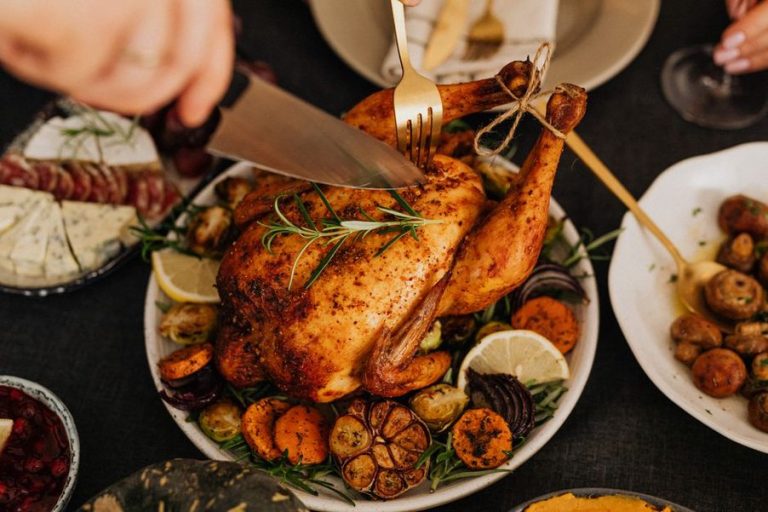
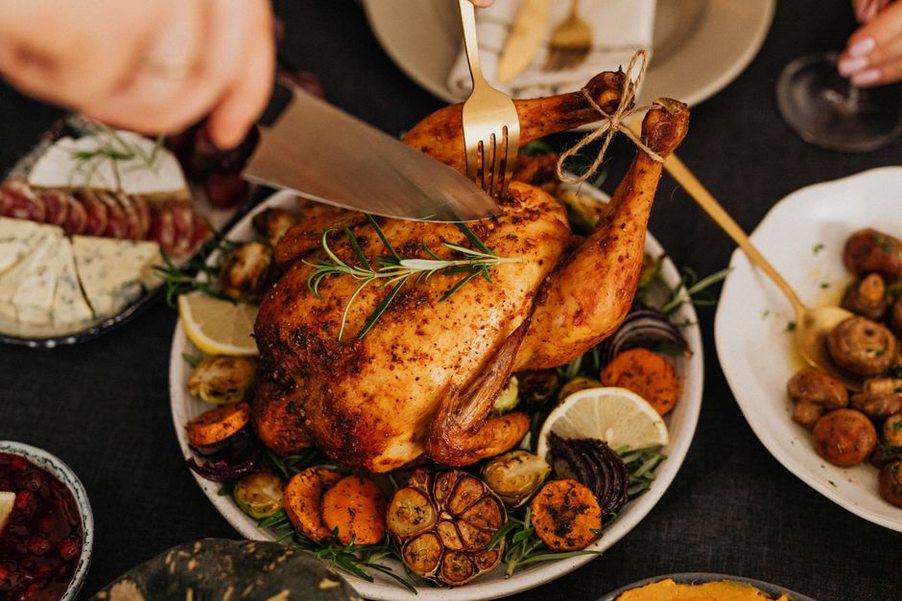
Roast chicken and vegetables can work for both a paleo eater and someone in the AIP elimination phase. Add tomato sauce, black pepper, or almonds to the pan, though, and the shared meal no longer fits AIP. Those ingredients are common in paleo cooking, but AIP temporarily excludes nightshades, seed-derived spices, and nuts. Keep the main dish suitable for both people and add the extras to individual plates.
Paleo generally centers meals on meat, fish, eggs, vegetables, fruit, nuts, seeds, and fats such as olive oil, while usually excluding grains, legumes, and dairy. The autoimmune protocol (AIP) is a more restrictive elimination-and-reintroduction approach. Its elimination phase also removes eggs, nuts, seeds, nightshades, and some spices, though versions differ on a few details. Neither label tells you whether a meal provides enough nourishment or feels comfortable to digest. What matters when planning is which rules apply to each person—and for how long.
Choose the least restrictive plan that meets the goal
AIP is not a required next step after paleo. Nor does everyone at the table need to give up AIP-excluded foods because one person is in the elimination phase. Build shared meals around foods both people eat, then offer eggs, tomatoes, or almonds separately to the paleo eater. Use separate utensils and toppings when needed so no one has to pick ingredients out of a finished dish.
If you're considering AIP because of persistent symptoms, the decision deserves more thought than a new grocery list. Digestive symptoms have many possible causes, and restrictions can make nutrition and social eating harder. Discuss persistent symptoms and significant dietary changes with a doctor; a registered dietitian familiar with elimination diets can help assess nutritional adequacy. An elimination diet does not replace medical evaluation or treatment, and changes in symptoms do not establish a diagnosis.
Even paleo has different definitions. Keep a short, written list of what each person actually eats instead of assuming a product labeled “paleo” will suit AIP. Read sauces and spice blends carefully: paprika and chili are nightshades, black pepper is a seed-derived spice, and nut flour often turns up in grain-free foods.
Build a meal around three dependable components
Start with a protein, plenty of vegetables, and enough energy to make the meal satisfying. Poultry, fish, beef, or another tolerated animal food can supply the protein. Try cooked greens, carrots, broccoli, cabbage, squash, or seasonal vegetables that fit the person's plan. Sweet potato or plantain can provide starch; olive oil or avocado can add fat. Every plate needn't be low in carbohydrate—a serving of lean meat and leafy greens may leave an active person hungry.
Make the shared dish taste good on its own. Roast chicken with garlic, rosemary, olive oil, carrots, and sweet potatoes is one option. The paleo eater can add a tomato-based condiment or nuts at the table, while the AIP eater has a meal that needs no alterations. An olive-oil-and-herb dressing works for both if its ingredients fit each plan.
For the week, pick two or three proteins, several vegetables with different textures, and one or two starches. Recombine them rather than cooking a new recipe every night: chicken with roasted squash one evening, then chicken and vegetable soup the next; leftover salmon over warm greens and potatoes. Keep some variety. Chicken, sweet potato, and zucchini at every meal can make an already restrictive phase harder to sustain and leave less room for other nutrients.
A small shared-meal template
| Meal | Shared base | Optional paleo-only addition |
|---|---|---|
| Breakfast | Leftover chicken, sautéed greens, and roasted sweet potato | Eggs cooked separately |
| Lunch | Salmon, cucumber, cooked beets, and olive-oil dressing | Toasted seeds |
| Dinner | Beef and vegetable stew seasoned with herbs | A peppery or tomato-based topping |
These are combinations, not a prescribed menu. Check ingredients against the AIP framework being used and adjust portions to appetite and energy needs. If raw cucumber or a large serving of greens feels uncomfortable, use a cooked vegetable instead.
Shop for flexible ingredients, not substitute products
A shopping list is easier to use when ingredients can do more than one job. Roast carrots, add them to soup, or pack them with leftovers. A whole chicken can cover several meals; plain canned fish can rescue lunch when cooking falls through. Frozen fish and vegetables can save money and reduce waste. Choose produce based on access and tolerance, not on the idea that fresh food has a special AIP benefit.
Organize the list by role:
- Proteins: two main choices for cooked meals and one convenient backup, such as plain canned fish.
- Vegetables: leafy, sturdy, and quick-cooking options, including vegetables you can cook if raw ones are uncomfortable.
- Starches and fruit: enough to make meals satisfying, with choices that keep well between shopping trips.
- Flavor and fats: herbs, garlic or onion if tolerated, citrus, olive oil, and other ingredients allowed by the eater's current plan.
Check convenience foods closely. Jarred broth may contain pepper; grain-free crackers may be mostly almond flour; a dressing marketed as “clean” can include mustard or paprika. Packaging claims don't establish AIP compatibility. If hunting for specialty products takes longer than cooking, basic ingredients and a simple sauce may be easier.
Set up the kitchen for easy assembly
Meal prep doesn't have to mean a week of identical containers. Cook a protein, roast two trays of vegetables, wash greens, and make a dressing. Store the components separately so you can mix them in different ways without having to remove a paleo-only topping from an AIP serving. Label sauces and leftovers in a shared refrigerator.
Food safety matters more than the diet label. Refrigerate cooked food promptly in shallow containers, follow local storage guidance, and freeze portions you won't eat soon. Cool and reheat leftovers safely rather than leaving a large pot at room temperature for hours. If an ingredient won't stay fresh until its planned meal, use it earlier in the week or choose a frozen alternative.
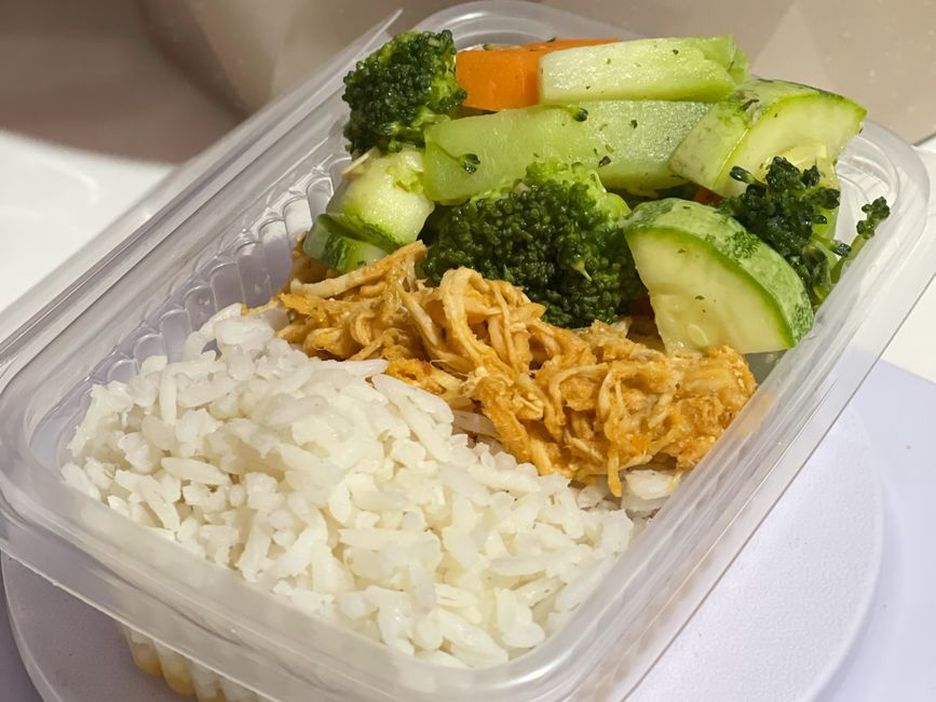
Have a fallback dinner for the day prep doesn't happen: frozen fish, frozen vegetables, and a microwaved sweet potato, for example. It's a meal you can adjust at the table, without relying on a specialty substitute.
Protect variety and adequate intake during elimination
The challenge with overlapping paleo and AIP rules isn't just the foods removed. It's what may quietly disappear from meals when eggs, nuts, seeds, legumes, grains, and dairy are all off the table. Fruit alone for breakfast or a small salad for lunch may provide too little protein or energy. Plan substantial meals, and pay attention to persistent hunger, fatigue, or unintended weight change rather than treating them as signs that the plan is working.
Rotate animal proteins where possible, including fish and seafood if tolerated, and choose different kinds of vegetables. Some households may enjoy a little liver, but no single “superfood” is essential. Calcium and other nutrients can be harder to get when dairy and several plant foods are excluded. That's one reason to review a prolonged elimination phase with a qualified clinician or dietitian rather than letting it run indefinitely. Allergies, pregnancy, existing medical conditions, and a history of disordered eating also matter when choosing a plan.
You can adjust food preparation for comfort without adding more blanket bans. If a large raw salad causes bloating, try a smaller portion or cook the vegetables and note the difference. Portion size, eating pace, fat, and how much fiber you eat at once may matter alongside the ingredient itself. There is no rule that everyone on paleo or AIP must avoid the same vegetables for gut health.
Plan the return of foods before the pantry becomes permanent
The AIP elimination phase is intended to lead to thoughtful reintroduction, not to become an unquestioned lifelong menu. Before starting, agree with the supervising clinician or dietitian on how to assess progress and when reintroductions might begin. Timing and order depend on individual health needs; a date on the calendar alone can't determine readiness.
For each reintroduction, test one previously excluded food while keeping the rest of the menu reasonably consistent. Record the food, amount, preparation, and any symptoms over the following days, according to the plan made with the clinician. A mixed restaurant dish makes a poor first test because its ingredients and portions are hard to separate. One difficult day isn't proof of a reaction, either: sleep, stress, illness, and ordinary symptom variation can affect how you feel.
Keep notes brief enough to use. A meal description, symptom timing, and a few context details are more helpful than a long log that makes every sensation feel significant. If reintroduction repeatedly brings concerning symptoms, or the list of restrictions keeps growing, take the record to a healthcare professional. The aim is a varied, workable diet, not a longer list of foods to avoid.
Make one weekly plan serve the people eating it
In a household with different food rules, write the shared meals first and list additions separately. “Beef stew” might mean beef, carrots, celery, and herbs for everyone, with tomato stirred into one person's portion after serving. If an ingredient can't be separated easily, as with eggs in a baked dish, choose another shared meal or make that dish only for the person who eats it.
Before shopping, scan the week for repeated proteins, missing starches, produce that won't get used, and meals that need more cooking time than you have. Leave one night for leftovers. Roast extra carrots and sweet potatoes with Monday's chicken, for instance, and serve them with Wednesday's fish instead of shopping for a second elaborate side.