
When AIP meals leave you chilled or short on appetite, a mug of warm broth may sound better than another glass of water. It adds fluid and, depending on the recipe, some sodium. Water still has a place, and broth is not a treatment for fatigue or digestive symptoms. It is simply another way to get something to drink.
During the autoimmune protocol (AIP) elimination phase, familiar drinks such as coffee, milk, and some flavored beverages may be off the menu. Changing your meals can also change how much fluid and salt you consume. So think beyond finding an approved drink: eat regularly, replace fluid lost through heat or activity, and pay attention to what feels comfortable to drink.
Start with fluid needs, not a fixed target
No single daily volume suits everyone. Body size, weather, activity, pregnancy or breastfeeding, illness, and the water in food all matter. Soups, cooked vegetables, fruit, and other foods contribute to your fluid intake. Try drinking with meals and responding to thirst between them, adjusting when it is hot or you are active. Pale yellow urine can be a rough clue, though foods, medicines, and supplements can change its color. It is not a diagnostic test.
Sipping through the day may feel better than trying to catch up with a large drink at night. If plain water is unappealing, keep it available and sometimes choose an unsweetened herbal infusion or broth instead. There is no need to force fluids beyond thirst because a drink has a healthy label. Too much fluid can be harmful, particularly during prolonged exercise or when a medical condition affects fluid balance.
Persistent thirst, very dark urine, dizziness, or unexpectedly frequent urination call for medical attention, not a homemade hydration experiment. Discuss persistent symptoms and significant dietary changes with a healthcare professional, especially if you have kidney or heart disease, take medicine that affects fluid balance, or have been given a fluid or sodium limit. AIP is a dietary framework, not a substitute for medical care.
What makes a drink useful on AIP?
During elimination, a drink needs to fit the foods you are excluding. After that, ask simpler questions: Does it give you fluid? Will you actually enjoy drinking it? Does its sweetness, acidity, temperature, or serving size bother your digestion? Even permitted ingredients do not agree with everyone.
- Plain or infused water: An easy everyday choice. Try cucumber, mint, or a slice of citrus if you tolerate it. Wash the produce and refrigerate infused water rather than leaving it out all day.
- Unsweetened herbal infusions: A change of flavor or temperature without added sweeteners. Check each blend; not every herbal tea fits elimination-phase AIP.
- Broth or thin soup: A savory option when meals feel repetitive. Sodium content varies widely by recipe and package.
- Unsweetened coconut water: It contains some potassium and tastes sweet, but you do not need it every day. It is not a complete replacement for fluids and salts lost through heavy sweating.
- Fruit or vegetable blends: They add variety, although whole produce and meals generally supply more satisfying fiber and energy than juice alone.
Broth is comforting, but it is not a cure-all
Broth is easy to sip alongside a meal. Serve homemade meat or vegetable broth warm in a mug, or add leftover cooked vegetables and meat for a light soup. During elimination, stick to ingredients that fit your version of AIP, such as meat, onion, carrot, celery, and permitted herbs. Tomato, peppercorns, and seed-based seasonings may rule out a broth during a strict elimination phase.
Check packaged broth carefully. Broad descriptions such as “natural flavors,” spice blends, yeast-derived ingredients, or added sugar can make a product difficult to assess. Look for ingredients you can identify and that fit your current plan. If you avoid an ingredient because of a diagnosed allergy, follow your clinician’s advice and the relevant allergen labeling rather than relying on an AIP label.
How salty broth tastes will not reliably tell you its sodium content: a reduced homemade stock, an unsalted carton, and a salted concentrate can differ considerably. If you have been told to limit sodium, do not treat broth as an automatic electrolyte boost. It is not guaranteed to feel gentle on digestion, either. Rich, fatty broth can feel heavy, while some people find long-simmered or stored broth uncomfortable. You might try a small serving of simple, freshly prepared broth to see how it feels, without assuming that a reaction reveals its cause.
Herbal teas: check the whole blend
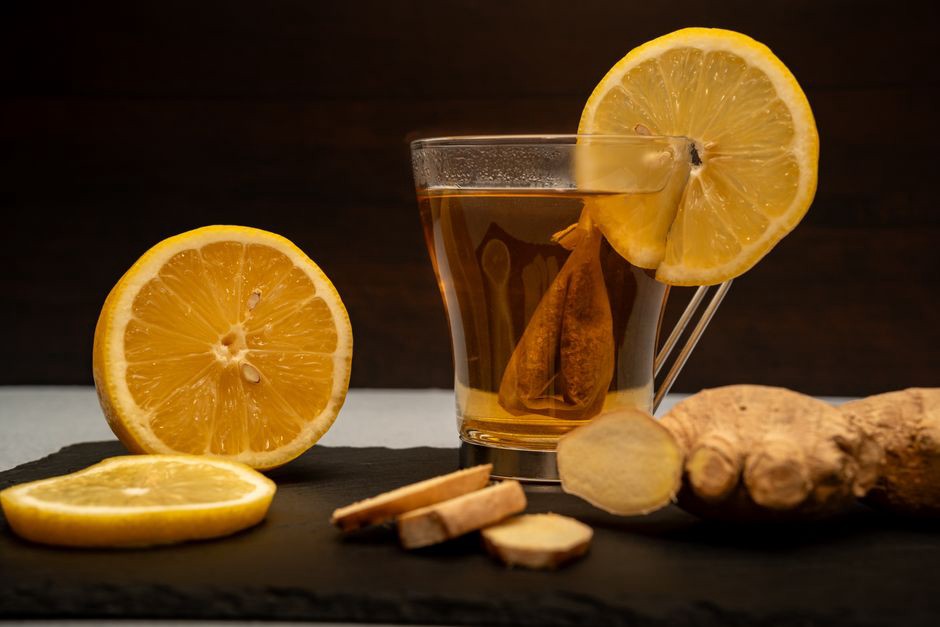
“Herbal tea” covers many plants. Ginger may appeal when you want something warm; peppermint tastes refreshing but can aggravate reflux for some people. Chamomile and other botanicals may cause reactions in people with relevant plant allergies, and herbs can interact with medicines. If you are pregnant, breastfeeding, managing an allergy, or taking medication, ask a qualified clinician before making a particular herb a daily habit.
Read the full label during AIP elimination. Seed spices, cocoa, or other excluded ingredients may turn up in a “warming” or “chai” blend, even when the tea is caffeine-free. If the label leaves you guessing, a single-ingredient infusion is easier to assess. Steep sliced ginger in hot water, then let it cool or serve it over ice. It does not have to be strong to taste good.
Comfort matters here, too. A very hot drink may bother a sensitive mouth or throat, and a large mug before bed may mean a nighttime bathroom trip. If you prefer sipping with meals to drinking a full mug afterward, follow that preference; it is not a rule about digestion.
Coconut water, juice, and sweet drinks
Unsweetened coconut water supplies fluid and some electrolytes, especially potassium. The amount varies by brand, and coconut water is usually relatively low in sodium compared with what substantial sweating can deplete. Enjoy it if you like it, but do not assume it works as an all-purpose sports drink. Check for added sugar, fruit concentrates, flavors, and anything else outside your elimination plan.
Juice made from AIP-compatible fruit can still deliver a lot of sweetness quickly, without the fiber in whole fruit. A small glass is not forbidden, but fruit with a meal may be more satisfying. Larger servings of juice can also cause bloating or loose stools for some people. Diluting it changes the flavor and concentration; it does not make juice a necessary way to hydrate.
A smoothie is part drink, part food. Blending fruit, water, and permitted produce adds fluid, but it should not quietly replace a meal that would have supplied protein and enough energy. If thick, cold drinks leave you uncomfortable, try a smaller serving or choose something warm. Bring persistent symptoms to a clinician rather than using a reaction to a smoothie to diagnose a food intolerance yourself.
When are electrolytes relevant?
Electrolytes are minerals involved in fluid balance and other normal body functions. Sodium is lost in sweat, while many foods, including produce, provide potassium. On ordinary days with light activity and moderate temperatures, regular meals and fluids are often enough; a special electrolyte drink is usually unnecessary.
Long stretches of sweating, hot weather, or strenuous exercise may change what you need. Vomiting or diarrhea can also cause fluid loss, but significant or ongoing losses need medical attention, not just a different AIP drink. Follow any rehydration plan you have been given. Although a commercial oral rehydration product may contain ingredients excluded during elimination, medical rehydration takes priority over dietary rules. Ask your clinician or pharmacist what is appropriate.
Removing packaged foods and cooking most meals from scratch may lower your salt intake without you noticing. That does not mean everyone on AIP needs extra salt. Look at what your meals contain before blaming a headache, fatigue, or dizziness on electrolytes; those symptoms have many possible causes. Do not add large amounts of salt to drinks or use potassium-based salt substitutes without medical advice. Potassium substitutes can be unsafe with certain conditions or medications.
If an electrolyte product makes sense for your circumstances, check its mineral content and full ingredient list. Flavorings, sweeteners, colors, and seed-derived ingredients vary. “Paleo” on the packet tells you little about AIP fit or medical suitability.
A simple drink rhythm for an ordinary day
Keep the routine flexible. On a cool workday, you might have water with breakfast, an unsweetened herbal infusion at your desk, water with lunch, and broth alongside dinner. A hot day with an active commute may call for more water and more chances to drink before thirst becomes distracting. Neither day requires a precise cup count unless a clinician has given you one.
Meals can be reminders to drink without becoming rigid rules. Soup at lunch adds fluid, as do melon and cooked zucchini. If you will be outdoors all afternoon, bring a refillable bottle rather than depending on an AIP-compatible packaged drink. For travel, a plain herbal tea bag offers another option wherever hot water is available; check its ingredients before you leave.
Look for patterns over several days rather than drawing conclusions from one symptom after one drink. If an infusion repeatedly leaves you uncomfortable, choose a simpler option and discuss persistent symptoms with your healthcare professional. One episode of bloating is not a reason to keep narrowing your choices: meal size, timing, stress, and activity may have changed, too.
Small details that make the plan workable
Keep sweetness optional
An AIP-compatible sweetener does not make a drink more hydrating. A modest amount may help if you prefer sweet drinks; if sweetness dampens your appetite for meals or bothers your digestion, go without. What matters is whether the drink fits into an adequate, varied day of eating.
Store prepared drinks safely
Cool broth promptly, refrigerate it, and reheat a portion when you want one. Refrigerate infused water and brewed tea made ahead, especially if they contain fresh produce. Use clean containers and discard drinks left at room temperature too long. Simple ingredients still need ordinary food-safety care.
Leave room for reintroduction
Elimination does not have to mean permanent restrictions on every drink. With appropriate professional guidance, a planned reintroduction may make some beverages you set aside available again. Introduce ingredients systematically enough to notice how you tolerate them, without treating one bad day as proof that an ingredient is harmful.
For tomorrow, leave a bottle of water where you eat lunch and set aside one other drink you genuinely like, perhaps unsalted broth or a single-ingredient ginger infusion. Check its ingredients, then drink according to your thirst, meals, and the weather. If symptoms persist or you are making significant changes to your diet, talk with your healthcare professional.