
After a large lunch, a short walk may feel better than lying down right away. It might ease discomfort, but it cannot fix a food intolerance or treat a digestive condition. When symptoms keep coming back, their cause needs attention beyond your activity routine.
If you eat paleo or follow an elimination diet, think of exercise as one part of day-to-day digestive care—not a way to make up for a meal or push through symptoms. What you do, when you do it, and how hard you go matter more than finding one supposedly “gut-friendly” workout.
What movement can—and cannot—do for digestion
The digestive tract moves food along through coordinated muscle contractions, known as motility. Regular moderate activity may help support normal bowel function. Walking gets you upright and moving rather than sitting for long stretches. If you tend toward constipation, it may be worth including alongside enough food, fluid, and sources of fiber you tolerate.
Exercise can affect stress and sleep, which in turn can shape how abdominal discomfort feels. The gut and nervous system communicate in both directions, and symptoms may be harder to live with when you are stressed or sleeping poorly. That does not make the symptoms imaginary—or mean a workout will address their cause.
Research on exercise and the gut microbiome is interesting, but less conclusive than headlines suggest. Studies have found associations between activity and differences in gut microbes, though diet, fitness, medications, and other factors are hard to separate. No particular workout has been shown to produce an ideal microbiome, and a change in microbes does not necessarily mean fewer symptoms for you.
Exercise is not a treatment for persistent reflux, significant constipation, inflammatory disease, or suspected food reactions. If symptoms persist or worsen, or you are considering substantial diet changes, talk with your doctor about both the symptoms and the proposed changes.
Match the activity to the meal
Gentle movement after eating is often easier to tolerate than a hard workout. You could try a comfortable walk of roughly 10 to 15 minutes—not as a required dose, just to see how it feels. Keep the pace easy enough to talk normally. Walk longer if you feel good; if a meal leaves you uncomfortable or tired, a few minutes of movement or some rest may be better.
A hard run, intense intervals, or heavy lifting soon after a large meal can be a different experience. During vigorous exercise, blood flow shifts toward working muscles. Jostling or pressure on the abdomen may add to nausea, cramping, or an urgent need for the toilet. Some people train comfortably close to meals; others need more time. Meal size, fat and fiber content, and the kind of exercise can all affect how it feels.
Try placing your hardest session away from your largest meal, then adjust based on comfort. Bloating is not a cue to “burn off” food. A walk might feel pleasant, but working harder will not reliably force digestion along.
When reflux is the main complaint
Bending, lying flat, or bracing hard through your abdomen soon after eating may aggravate reflux. An upright stroll may feel better at that time than floor exercises or heavy lifting. If reflux is frequent or interferes with eating or sleep, seek medical advice rather than relying on workout timing alone.
When constipation is the main complaint
Regular movement may help, but one unusually long workout is unlikely to offset an otherwise sedentary week. Look for opportunities you can repeat: a walk during a break, stairs when they feel comfortable, or a short detour on an ordinary errand. Constipation has many possible causes, including medications and medical conditions, so persistent changes in bowel habits deserve evaluation.
Choose a manageable mix, not a digestive “protocol”
Walking, easy cycling, swimming, and other low-impact activities let you move without going all out. Strength training can be part of a balanced routine too; occasional digestive discomfort does not automatically mean you need to avoid it. What matters is how a particular session—and its timing—works for you.
General guidance for adults commonly suggests about 150 minutes of moderate activity over a week, plus muscle-strengthening activity on two days. That is a population-level goal, not a threshold you must reach before movement can help you feel better. If you have been inactive, are recovering or pregnant, live with a chronic illness, or have significant symptoms, ask a healthcare professional about an appropriate plan.
Starting from little activity? Choose a step you can repeat rather than a demanding new schedule. For example:
- First week: take an easy walk after one meal on several days, and stop if it worsens symptoms.
- Next: add a separate, comfortable activity session when your schedule allows, instead of making every post-meal walk longer.
- Later: increase time or intensity gradually. Change one thing at a time so you can tell what suits you.
This is not a test of discipline. It helps to have a routine you can scale back on a day when symptoms are bothering you.

Why harder training sometimes unsettles the gut
Long or intense sessions can bring nausea, loose stools, cramps, or urgency, particularly during running. Bouncing, shifts in blood flow, heat, dehydration, and what you eat around training may all contribute. A sensitive gut may react to these stresses sooner, but symptoms during exercise should not automatically be blamed on a food you have excluded or reintroduced.
If problems show up mainly during demanding sessions, consider what was happening around the workout:
- Timing: Did you eat a large meal shortly before training, or start after going a long time without food?
- Intensity: Did symptoms begin after a faster pace, heavier lifts, or a sudden increase in distance?
- Environment: Was it unusually hot or humid?
- Hydration: Did you have access to fluids, especially during a longer or sweaty session?
- Food pattern: Were you changing several foods at the same time as your exercise routine?
Change one thing at a time. Moving a workout farther from a large meal or easing its intensity for a few sessions may tell you more than removing another food group. Severe abdominal pain, blood in your stool, fainting, or symptoms that repeatedly disrupt activity call for medical assessment, not more self-experimentation.
Exercise while eating paleo or following an elimination diet
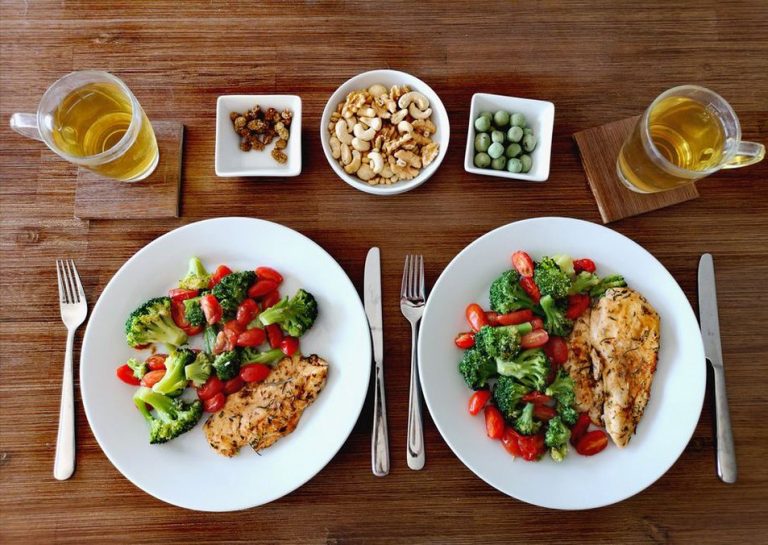
Eating paleo does not, by itself, tell you whether you are getting enough food to support activity. An elimination phase can narrow your choices further, and light meals paired with demanding workouts may leave you tired or unusually hungry. Eating too little can also make digestive symptoms harder to interpret. Getting enough energy matters even when your exercise is gentle.
Build meals around foods you tolerate rather than assuming the strictest version of a diet is the most supportive. Depending on your plan, a meal might include a protein food, a tolerated carbohydrate such as a starchy vegetable or fruit, vegetables prepared in a way you find comfortable, and some fat. Longer or harder training may call for more food and fluid than a rest day. Restrictions related to a diagnosed condition need individual guidance.
If you are trying to understand a food reaction, avoid introducing that food on the same day as a new, demanding workout. During a planned reintroduction, keep exercise reasonably familiar. Note unusual heat, hard training, poor sleep, or illness alongside food and symptoms. A log cannot diagnose a sensitivity, but it may help you avoid attributing an exercise-related stomach upset to food too quickly.
A flare is not a reason to cut several more foods without support. Discuss persistent symptoms and significant diet changes with your doctor. A registered dietitian can also help check whether an exclusion plan provides enough nutrition for your activity level.
Use patterns, not single workouts, to judge what helps
Digestive comfort varies from day to day. Rather than deciding one walk “worked” or one strength session “caused” a problem, look for patterns that repeat. A short note is enough: when you ate, what activity you did and for how long, roughly how hard it felt, and any symptoms during or afterward. Include relevant changes without turning the log into a minute-by-minute symptom watch.
Compare similar days when you can. If an easy post-lunch walk usually feels fine but running after lunch repeatedly brings on cramps, that is more useful than deciding all exercise helps—or harms—your digestion. If symptoms happen regardless of activity, seek medical advice rather than continually changing your workout.
On an ordinary lunch day, you might walk comfortably around the block and note whether it felt neutral, helpful, or uncomfortable. Keep the meal and the rest of your routine familiar so the observation is easier to interpret. If symptoms keep returning or you are thinking of changing your diet, discuss both with your doctor.