On the elimination phase of AIP, breakfast does not have to look like a conventional breakfast plate. Eggs, grains, dairy, nuts, seeds, and coffee may be off the menu, which makes cereal or an egg scramble less practical. A simple approach works well: start with a substantial protein, add a carbohydrate-rich vegetable or fruit, include a colorful plant food, and use enough fat to make the meal satisfying.
That mix may help support steadier morning energy and reduce the pull of sweetened drinks or an oversized serving of fruit. It also gives breakfast an important role in a restrictive eating pattern, where nutrients such as iron, zinc, folate, potassium, vitamin C, and fiber can become repetitive or harder to include regularly.
What “balanced” means on the elimination phase of AIP
The autoimmune protocol (AIP) is an elimination approach adapted from paleo-style eating. Its strict phase temporarily removes foods that some people may find difficult to tolerate, followed by a structured, individual reintroduction process. It is not a diagnostic tool, a treatment for autoimmune disease, or a replacement for medical care.
At breakfast, balance is less about exact macronutrient targets than four useful building blocks:
- Protein: leftover chicken, turkey, fish, beef, pork, or compliant meat patties.
- Starchy produce: sweet potato, plantain, winter squash, taro, cassava, or parsnip.
- Non-starchy produce: greens, mushrooms, zucchini, onions, cabbage, cucumber, berries, or cooked fruit.
- Fat and flavor: olive oil, avocado, coconut, olives, fatty fish, fresh herbs, garlic, ginger, lemon, or lime.
Portions will vary with appetite, activity, medical needs, and the rest of the day’s meals. As a visual guide, let protein anchor the plate, add a generous serving of vegetables, then include enough starch and fat that you are not hungry again an hour later. If a fruit-only smoothie or a small coconut-yogurt bowl leaves you shaky or thinking about food soon afterward, it may simply need more protein and volume.
Start with familiar meal formats, not “breakfast foods”
One helpful AIP habit is giving yourself permission to eat dinner-style foods in the morning. Soup, a warm bowl of shredded meat and vegetables, or yesterday’s roast with fruit all count as breakfast. That takes away the pressure to find replacements for toast, eggs, or yogurt.
Build-a-bowl template
| Component | Examples | Practical amount |
|---|---|---|
| Protein | Shredded chicken, salmon, turkey, beef leftovers | A palm-sized serving or more if needed |
| Starch | Roasted sweet potato, plantain, squash | About a fist-sized serving, adjusted to appetite |
| Vegetables | Spinach, kale, zucchini, cabbage, mushrooms | One to two handfuls, cooked if that feels gentler |
| Flavor and fat | Avocado, olive oil, coconut milk, herbs, lemon | Enough to make the bowl enjoyable and filling |
For anyone dealing with bloating or a sensitive digestive system, the choice between raw and cooked foods can matter more than whether a food is considered traditionally “healthy.” Soft-cooked greens, roasted roots, peeled zucchini, and well-cooked squash may feel easier to manage than a large raw salad at 7 a.m. Tolerance is individual, so it can help to record preparation methods alongside symptoms instead of treating any one approach as a universal rule.
Four AIP breakfast recipes
1. Turkey, sweet potato, and greens skillet
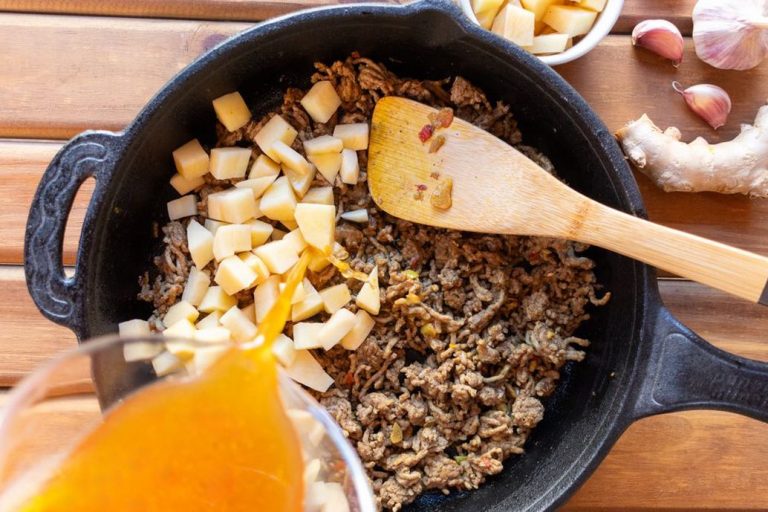
Serves 2. Dice 2 small sweet potatoes and cook them in olive oil or avocado oil over medium heat with a splash of water and a lid until tender, about 10 to 15 minutes. Add 250 to 300 g cooked ground turkey or shredded roast turkey, along with two large handfuls of spinach or chopped kale. Season with garlic, fresh thyme, sea salt, and a squeeze of lemon. Cook just until the greens wilt.
This works particularly well with leftovers. If turkey is not available, use cooked chicken, pork, or beef. Add sliced avocado at the table for a richer meal, or serve chopped apple on the side for a fresh contrast.
2. Savory chicken and plantain breakfast bowl
Serves 2. Slice 1 ripe but still firm plantain into half-moons. Pan-cook it in coconut oil until soft and lightly browned. Warm 2 cups of shredded cooked chicken with sautéed onion and zucchini. Divide between bowls, then top with the plantain, chopped cilantro, lime juice, and avocado.
Ripe plantain has a mild sweetness, while savory chicken and lime keep the bowl from feeling like dessert. Green plantain produces a less sweet, starchier result, though it takes longer to soften. Check packaged cooked chicken carefully: spice blends, sauces, and deli-style products may contain seed spices, pepper, dairy, or other ingredients excluded during the strict phase.
3. Coconut pumpkin breakfast porridge with shredded meat
Serves 2. Simmer 2 cups of mashed cooked pumpkin or butternut squash with 1/2 cup full-fat coconut milk and enough water for a spoonable consistency. Season with grated ginger, cinnamon if it suits your current plan, and a small pinch of salt. Serve with warm shredded chicken, pork, or salmon rather than making the porridge a protein-free sweet bowl.
AIP rules can differ slightly between practitioners and programs, especially around spices and transition foods. If you are following a clinician-guided plan, use that plan as your reference. The basic principle is unchanged: a creamy vegetable base becomes a more complete breakfast when paired with a meaningful serving of protein.
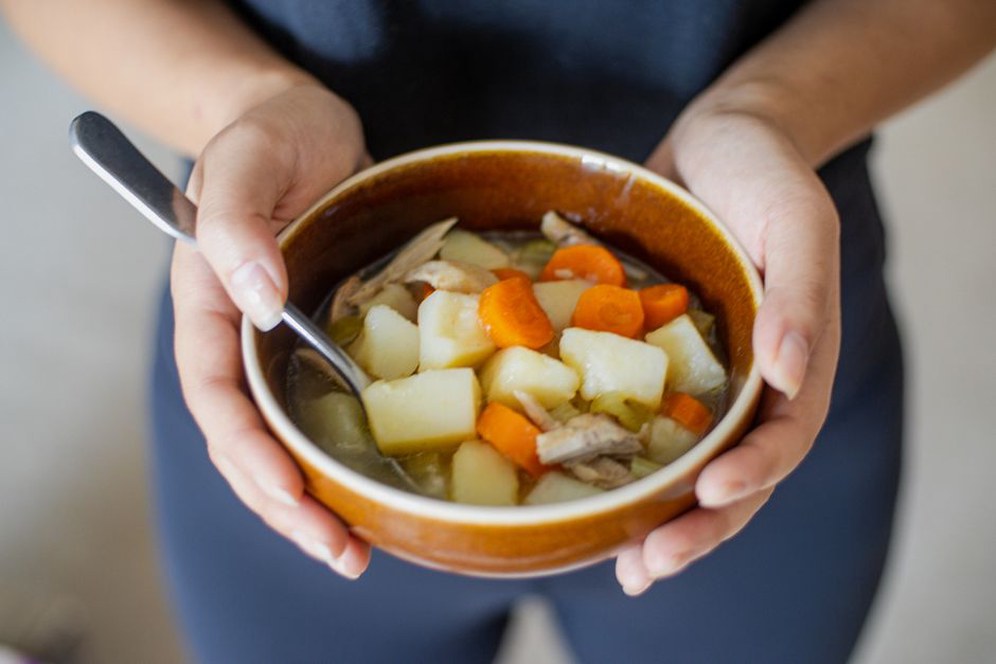
4. Ginger chicken breakfast soup
Serves 3 to 4. In a pot, sauté chopped onion, celery, and grated ginger in olive oil. Add 1 litre of unsalted or low-sodium broth, 2 cups shredded cooked chicken, diced carrots, chopped zucchini, and a few handfuls of greens. Simmer until the vegetables are tender. Finish with lemon juice, parsley, and salt to taste.
Soup can be a gentler option on mornings when a heavier skillet meal does not appeal. It is easy to portion, freeze, and reheat. If you make broth at home, cool and refrigerate it promptly; if you buy it, choose one with an ingredient list that fits the elimination phase.
Make mornings easier with a small prep system
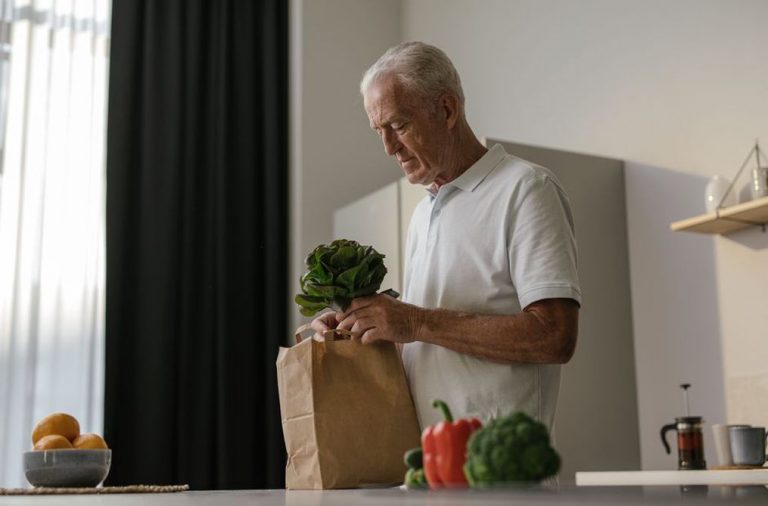
The easiest AIP breakfasts usually begin with ingredients prepared earlier. Roast a tray of sweet potatoes and squash, cook a plain protein, wash greens, and keep herbs or lemons ready. These are flexible components, not rigid meal-prep boxes: they can become a skillet one day and soup the next.
- Cook one or two proteins for several meals, without a sauce that limits how they can be reused.
- Roast two types of vegetables, ideally one starchy and one non-starchy.
- Keep one quick flavor option on hand, such as lemon, lime, chopped herbs, garlic, or ginger.
- Freeze individual portions of soup, patties, or cooked meat for low-energy mornings.
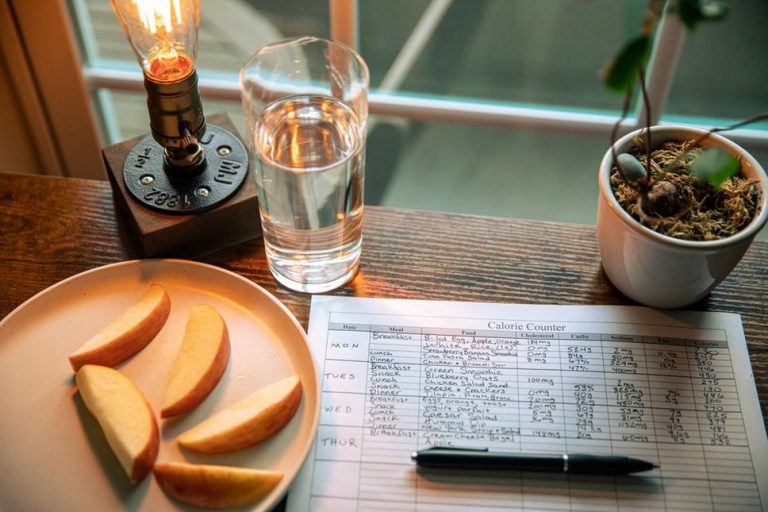
A food-and-symptom diary can be useful during an elimination period. Keep entries specific and neutral: meal time, foods, preparation, approximate portion, sleep, stress, and symptoms. One uncomfortable morning does not prove that a single ingredient caused the problem; meal speed, constipation, stress, illness, and other factors can affect digestion. The same thinking applies to reintroductions: add one food at a time in a planned way instead of bringing back several foods through one elaborate breakfast recipe.
For travel mornings, a compliant protein with fruit and a prepared starchy vegetable is often the simplest fallback. The practical strategies in How to Stay Paleo or AIP While Traveling Without Overthinking Every Meal can help with packing and restaurant decisions without turning every breakfast into a research project.
Common breakfast gaps to notice
Too little protein: Coconut milk, fruit, and cassava flour can fit an AIP pattern, but they do not automatically make a sustaining meal. Pair baked goods or porridge with meat, fish, or leftovers.
Too much dependence on substitutes: AIP pancakes, muffins, and grain-free granola can be enjoyable occasionally, but they may rely on many specialty ingredients and still leave vegetables out. Think of them as variety rather than the daily foundation.
Overly restrictive choices: If breakfast has narrowed to the same two foods because eating feels stressful, consider whether the elimination phase has continued longer than intended without a reintroduction plan. Persistent symptoms, unintentional weight change, fatigue, a history of disordered eating, pregnancy, or significant dietary changes should be discussed with a doctor and, when available, a registered dietitian familiar with elimination diets.
For tomorrow morning, try setting aside one extra dinner portion: leftover salmon with roasted squash and wilted spinach needs only lemon and olive oil to become breakfast. If symptoms persist or you are considering major dietary changes, discuss them with a doctor rather than relying on an elimination diet alone.