
A gentle ten-minute walk after a meal often feels very different from sinking straight into the sofa. For some people, easy movement eases the heaviness or fullness that follows eating. For others, exercising hard too soon brings reflux, cramping, or an urgent trip to the bathroom. The question is less about whether exercise is “good for digestion” and more about what kind of movement suits your body, your meal, and the timing.
Movement does not cure digestive disease or mean that symptoms are “just lifestyle-related.” It can support everyday factors linked with digestive comfort, including bowel regularity, appetite, sleep, stress recovery, and staying upright after meals. That can make it a useful companion to a nutrient-dense Paleo-style or elimination diet, particularly when much of the day is spent sitting.
Why the digestive system responds to movement
The gut has its own network of nerves and muscles, yet it also responds to signals from the brain, circulation, hormones, and autonomic nervous system. Physical activity influences many of these signals. Moderate movement changes nervous-system activity and may encourage the natural contractions that move material through the digestive tract.
That does not mean every workout supports digestion in the same way. During high-intensity training, more blood is directed toward working muscles and skin cooling, while digestion becomes less of an immediate priority. This helps explain why hard runs, intense intervals, or demanding strength sessions may trigger nausea, reflux, side stitches, loose stools, or abdominal discomfort—especially after a large meal or when hydration is off.
Gentle, rhythmic activity is usually easier to combine with digestion. Walking, relaxed cycling, mobility work, light gardening, and calm swimming are common examples. The benefit is often cumulative: regular movement may support bowel regularity and everyday comfort more reliably than the occasional punishing workout.
Movement and bowel regularity
Constipation can have many causes, including medications, pelvic-floor issues, thyroid conditions, neurological disorders, fluid intake, dietary changes, and low food intake. Movement is not a universal fix, but long periods of sitting can be one factor you can change. Regular activity may help some people maintain a more predictable bowel routine by supporting colonic motility and reducing inactive time.
For people following Paleo or AIP, constipation can appear during a dietary transition. It is not automatically a missing supplement or a “detox” reaction. A sharp drop in total carbohydrate, food volume, fiber-rich plants, or fluids can play a role. So can increasing dense foods to the point that they crowd out vegetables, fruit, starchy roots, or other tolerated fiber sources.
Before adding more exercise intensity, look at the basics:
- Take short walking breaks on days dominated by desk work or driving.
- Pick a regular time for a walk, such as after lunch or dinner, instead of relying on motivation.
- Keep fluid intake appropriate for the weather and your activity level.
- Include a variety of tolerated plant foods rather than assuming more restriction will improve symptoms.
- Notice whether a new training routine lines up with skipped meals, under-fueling, or poor sleep.
Infrequent bowel movements, pain, difficulty passing stool, or a persistent change in bowel habits deserves medical discussion. Do not self-prescribe laxatives, supplements, or further food restriction in place of an evaluation for ongoing symptoms.
The post-meal movement sweet spot
A short, comfortable walk is one of the simplest ways to test what helps after meals. The aim is not to “burn off” food. It is simply to stay gently upright and mobile. Start with five to ten minutes at a conversational pace and see how it feels. Some people prefer to go straight after eating, while others are more comfortable waiting ten to twenty minutes.
When to keep it easy
Low-intensity activity is generally the better choice after a full meal. Brisk stair climbing, sprints, deep twisting, abdominal exercises, and high-impact training can aggravate reflux or nausea. If dinner is substantial, it may feel better to schedule demanding exercise before the meal or leave more time afterward.
Body position matters, too. Staying upright after eating is often more comfortable than lying flat, particularly if you get heartburn. This does not need to be a formal workout: clearing the table, walking the dog, watering plants, or taking a slow loop around the block all count.
A simple observation plan
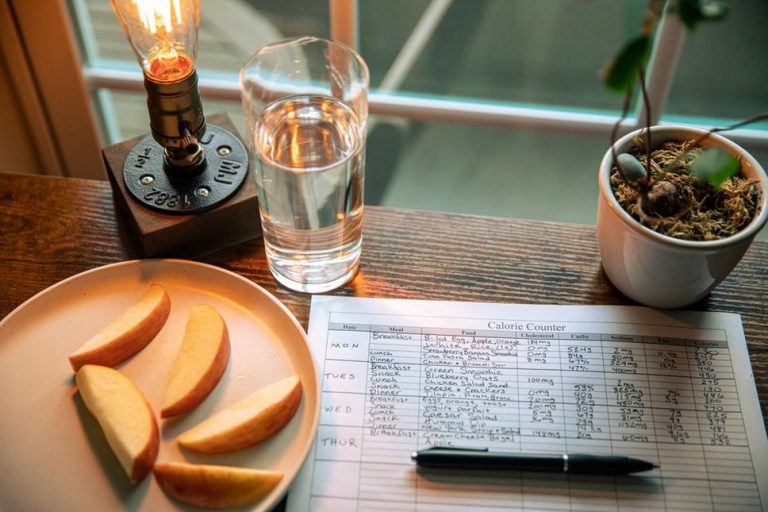
When digestive symptoms vary, change one movement habit for a week rather than changing your entire diet at the same time. A brief log can reveal patterns without becoming obsessive. Note meal timing, the type and duration of movement, and broad symptoms such as fullness, reflux, bloating, urgency, or stool changes. One good or bad day is not proof of a food sensitivity.
| Situation | Movement option | What to observe |
|---|---|---|
| Fullness after dinner | 5–15 minute relaxed walk | Comfort while upright, fullness, reflux |
| Long desk-based day | 2–5 minute movement break each hour | Abdominal tension, energy, bowel routine |
| Training before a meal | Plan a balanced recovery meal when ready | Nausea, appetite, ability to eat enough |
| Reflux with evening workouts | Move strenuous exercise earlier or farther from meals | Burning sensation, belching, sleep disruption |
Stress, pacing, and the gut-brain connection
Movement can help interrupt prolonged stress activation. A walk outdoors, gentle stretching, or a few minutes of slow mobility may soften the sense of rushing that can make meals feel difficult. There is nothing mystical about it: the digestive tract and nervous system communicate continuously, and nausea, pain, altered bowel habits, and bloating can become more noticeable during stressful periods.
Hard training is not automatically calming. Some people find it enjoyable and restorative. For others, intense sessions added to poor sleep, low calorie intake, work pressure, and restrictive eating become another physical demand. Persistent exhaustion, declining performance, worsening sleep, loss of appetite, repeated digestive upset during exercise, or anxiety about missing workouts can all be signs that the routine needs adjusting.
A calmer form of movement can be particularly useful during an elimination phase, when meals may already take more planning and social flexibility. Exercise is not a tool for controlling symptoms or compensating for eating. A steadier goal is to create predictable routines that support appetite, mood, circulation, and breaks from prolonged sitting.
Fueling matters, especially with restrictive diets
Paleo and AIP patterns can be nourishing, but restrictive versions can also leave people unintentionally low in energy or carbohydrate. Training hard while under-fueling may contribute to fatigue, dizziness, poor recovery, constipation, or digestive discomfort. You do not need grains or dairy to support movement, but you do need enough total food and a range of tolerated nutrient sources.
Depending on the foods you tolerate, practical choices may include starchy roots, winter squash, fruit, plantains, or other carbohydrate foods alongside protein and fats. Needs vary widely with body size, training type, health status, and personal goals. Exercising more rarely makes severe restriction safer.
Food labels can matter when convenience foods are part of an active routine. The guide to reading food labels for Paleo and AIP can help you check whether packaged foods fit a particular elimination stage without relying on front-of-pack claims.
Exercise-related digestive symptoms: useful adjustments
Digestive symptoms during a workout do not necessarily point to a food intolerance. Timing, intensity, hydration, heat, caffeine, menstrual-cycle changes, anxiety, and the makeup of the previous meal can all affect the gut. A practical response is usually more helpful than immediately cutting more foods.
- Review the meal-to-exercise gap. A large, high-fat, or high-fiber meal may feel heavy before intense movement. Allowing more time may help.
- Reduce intensity temporarily. Choose easy walking or a lighter session while you see whether symptoms settle.
- Check hydration and heat exposure. Both dehydration and excessive fluid intake can cause problems, especially during longer sessions.
- Avoid stacking major changes. Do not begin a new elimination phase, demanding training plan, and fasting routine in the same week.
- Look for repeatable patterns. One episode after an unusually hard session is different from symptoms that happen consistently.
Frequent diarrhea with exercise, vomiting, severe abdominal pain, fainting, black or bloody stools, unexplained weight loss, fever, or symptoms that wake you from sleep require prompt medical attention. Discuss persistent digestive symptoms and significant diet or activity changes with a doctor, especially if you have a diagnosed digestive condition, a history of disordered eating, are pregnant, or live with a chronic illness.
Building a routine that is small enough to continue
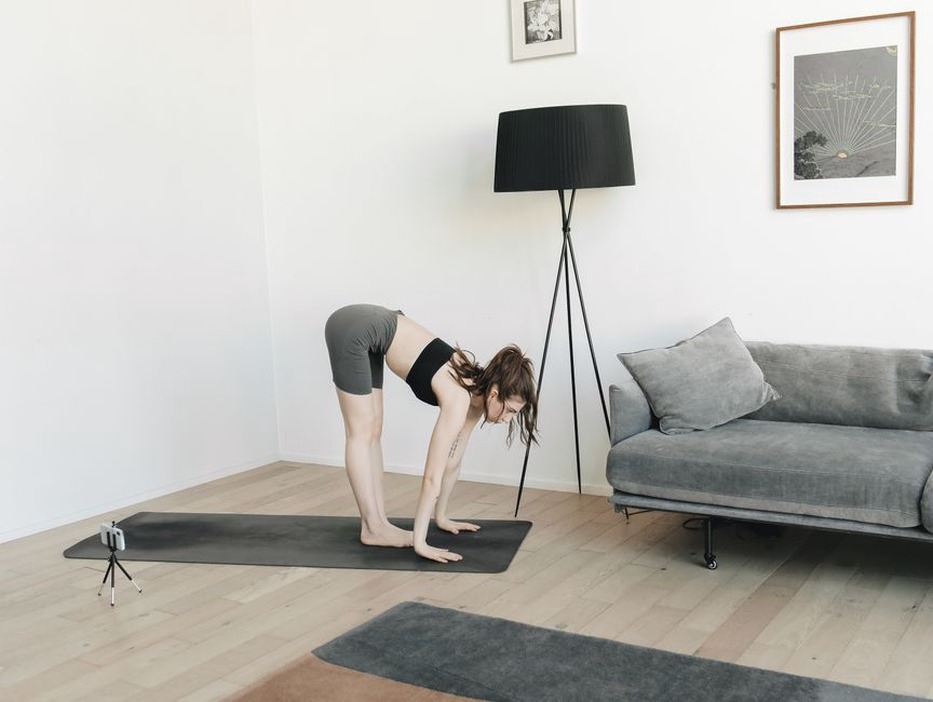
A sustainable routine usually starts at a level that does not feel impressive. Link movement to something you already do: take a five-minute walk after lunch, do light mobility while dinner cooks, or stand and stretch after each work call. Add time only when the habit feels neutral or pleasant.
For instance, someone with afternoon bloating could keep lunch unchanged for several days and take a gentle ten-minute walk afterward. They could note any change in comfort without also changing meal ingredients, portion size, and training at the same time. If symptoms persist despite these routine adjustments, or become more severe, the next step is a clinician’s assessment—not a more restrictive diet or a tougher workout.