A delayed flight, a roadside stop, or a restaurant menu with vague ingredients can disrupt even a well-planned Paleo or AIP routine. The goal is not flawless eating at every meal. It is to know your priorities: avoid the foods that matter most in your current elimination phase, eat enough to stay comfortable and fueled, and note meaningful deviations without turning the trip into a food investigation.
Paleo travel usually offers more flexibility than the autoimmune protocol (AIP). In many places, a Paleo eater can find simply prepared meat, fish, vegetables, fruit, and olive oil. During the AIP elimination phase, restaurant staples such as grains, dairy, eggs, legumes, nuts, seeds, nightshades, alcohol, and spice blends can make meals harder to assess. The answer is planning, not panic.
Set the travel standard before packing
Travel quickly exposes a vague food plan. Before you leave, decide whether the trip calls for strict AIP elimination, a tested personal version of AIP, broadly Paleo meals, or a temporary best-available approach. Consider the trip’s purpose and length, food access, past reactions, and your overall nutrition—not pressure to be perfect.
If you are actively using AIP as a structured elimination diet, consistency can make later observations easier to interpret. If you have completed reintroductions, tolerated foods such as eggs, nuts, seeds, or certain spices may give you many more options. Avoid using a trip to test several unfamiliar foods at once. Travel stress, poor sleep, altered meal times, and different activity levels can all affect digestion and symptoms.
Create a simple non-negotiables list
A short written list is more useful than trying to recall every AIP rule while standing in a queue or sitting at a family table. Include:
- Foods to avoid completely: for example, gluten, dairy, or a confirmed personal trigger.
- Foods that are usually safe: plain poultry, fish, meat, cooked vegetables, fruit, avocado, olive oil, coconut products if tolerated, and simple starches that fit your plan.
- Acceptable fallbacks: a plain burger patty with vegetables, supermarket rotisserie chicken after checking the ingredients, or fruit with a packed protein option.
- Items that need ingredient checks: sauces, marinades, seasoning blends, deli meat, broth, salad dressings, jerky, and convenience snacks.
This can be especially helpful when a travel companion is ordering on your behalf or a language barrier makes detailed questions difficult.
Pack for delays, not just the planned journey
The meal most likely to derail your plan is usually the unplanned one: a gate change that removes your lunch break, a long customs line, a late hotel check-in, or a train with limited food. Carrying backup food gives you time to find a suitable meal instead of ordering the first available option when you are very hungry.
Choose foods that are shelf-stable where possible, can handle mild temperature changes, and comply with airport and border rules. Fresh food may pass security in some places but be prohibited at an international destination. Eat or discard produce, meat, and other restricted items before arrival when required.
Portable Paleo and AIP food ideas
| Travel situation | Useful options | Details to check |
|---|---|---|
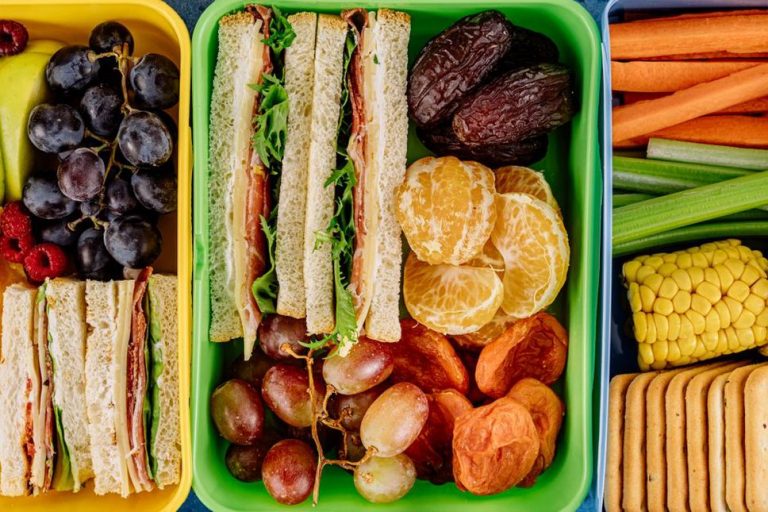
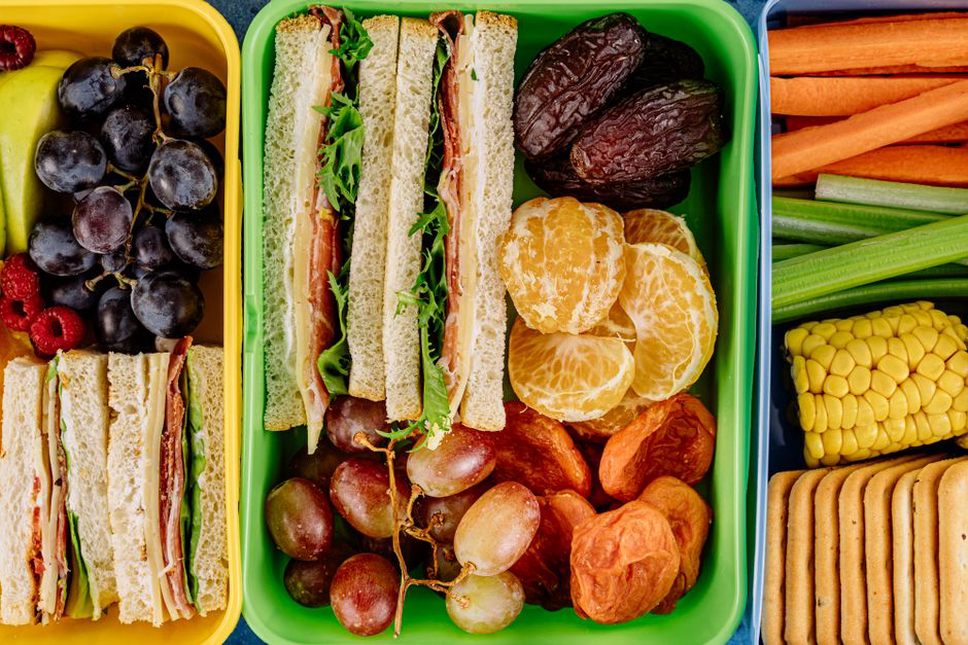
| Short journey | Cooked chicken, roast meat, vegetable sticks, berries, homemade meal container | Use an insulated bag and ice pack; keep perishable foods cold |
| Long flight or drive | Unsweetened dried fruit, fruit cups, compliant meat snacks, coconut flakes, plain plantain chips if tolerated | Read labels for seed spices, soy, dairy, sweeteners, and preservatives |
| Hotel breakfast gap | Fruit, shelf-stable fish or meat pouch, compliant leftovers, avocado purchased locally | Bring basic utensils if the accommodation may not provide them |
| Emergency meal | Plain protein plus fruit, or a simple packed snack combination | A snack is a bridge, not necessarily a nutritionally complete dinner |
For strict AIP, a “Paleo” label is not enough. A product may be grain-free while still containing egg, nut flour, seed-based spices, cocoa, pepper, tomato, or another excluded ingredient. Ingredient lists can also vary by country, so check familiar products again when traveling internationally.
If digestive comfort is a concern, pack foods you already know you handle well. Large amounts of dried fruit, sugar alcohols, chicory root fiber, carbonated drinks, or unfamiliar snack bars can be inconvenient in transit even when they technically fit your food framework.
Book accommodation that reduces food friction
A refrigerator may be more useful than an elaborate hotel breakfast. For trips longer than a couple of nights, look for a mini-fridge, kitchenette, nearby grocery store, and access to a microwave or basic cookware. Even without a kitchen, a nearby market can provide plain prepared foods, fruit, bagged salad, and simple proteins.
Make one practical food stop when you arrive, before sightseeing or meetings begin. Pick up breakfast foods, a backup dinner, and something portable for the next day. It helps prevent the familiar cycle of arriving exhausted, putting off food shopping, and relying on late-night options.
Kitchen access also helps preserve variety. Restaurant meals can easily become meat plus one side, while a market stop can add fruit, leafy vegetables, root vegetables, seafood, avocado, and olive oil. Travel can make restrictive diets narrower than intended, especially when appetite and routines change.
Order restaurant meals with precise, brief language
Restaurant staff rarely need a full explanation of Paleo philosophy. Clear, concise requests are easier to understand and follow. Start with the base of the meal, then name the exclusions that matter most.
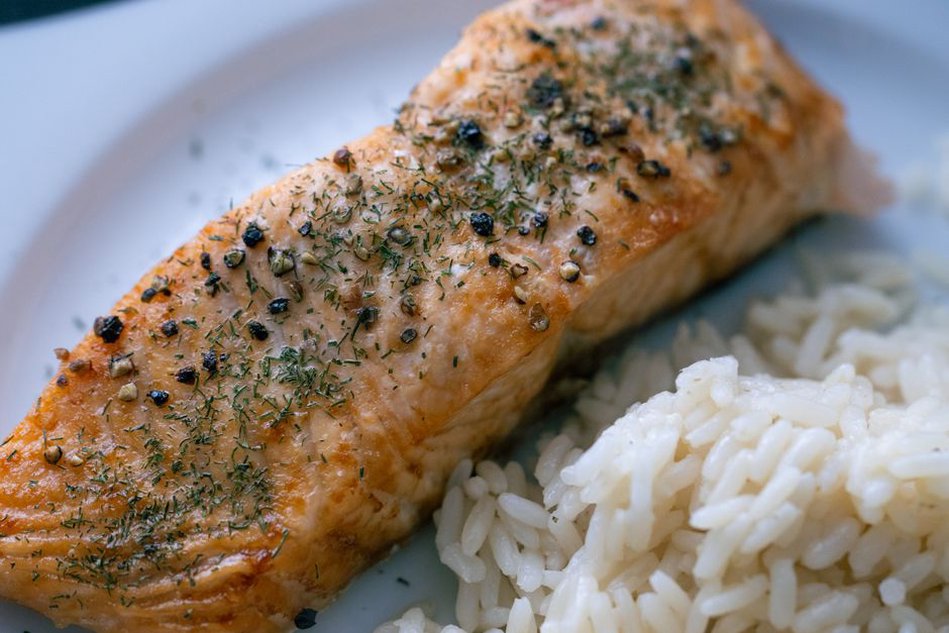
For example: “Could I have grilled salmon with steamed vegetables, no butter, no sauce, and olive oil on the side?” During AIP elimination, add the needed detail: “Please season with salt and herbs only, without pepper or a spice blend.” If grilled food may be marinated, ask whether it can be cooked plain.
Questions that uncover hidden ingredients
- Is the meat or fish marinated, brined, breaded, or finished with a sauce?
- What oil or fat is used to cook the food and vegetables?
- Does the seasoning contain pepper, chili, paprika, seeds, flour, dairy, or sugar?
- Can the dish be prepared simply with salt and fresh herbs?
- Are the vegetables served with butter, dressing, or a premade glaze?
- Is cross-contact a concern for a medically diagnosed allergy or celiac disease?
A food preference and a medical allergy call for different conversations. An elimination diet does not replace allergy precautions. If you have a diagnosed food allergy or celiac disease, state the medical need clearly, ask about cross-contact, and make decisions based on the risk the establishment can realistically manage.
When staff cannot confirm the ingredients, a simple meal is often more predictable than a heavily modified complex dish. Plain protein, a plain vegetable, and fruit may not be the most exciting order, but there are fewer unknowns.
Use a three-tier approach when choices are limited
Not every airport, conference center, rural stop, or family gathering will offer a fully compatible meal. A simple hierarchy can prevent an all-or-nothing response.
- Tier one: fully aligned. Choose foods that fit your current Paleo or AIP plan and whose ingredients can be confirmed.
- Tier two: close and known. If full alignment is not possible, focus on whole foods and avoid your highest-priority exclusions. For instance, choose plain grilled protein and vegetables even if the cooking fat cannot be verified.
- Tier three: adequate nourishment. In a genuine access problem, eat enough safe-enough food to avoid prolonged under-eating, then return to your usual routine at the next practical meal.
This does not mean ignoring a medically necessary restriction. It helps distinguish between a dietary preference, an elimination-rule decision, and an urgent safety issue. If you feel shaky, nauseated, or consumed by finding the “perfect” meal, a workable option and some rest may be more helpful than going without food for hours.
Travel symptoms are data, not proof of a food reaction
Bloating, constipation, loose stools, reflux, fatigue, or skin changes during a trip can be frustrating, but they do not automatically point to a trigger food. Flights and long drives reduce movement, dehydration is common, schedules shift, alcohol or extra coffee may creep in, and sleep is often disrupted. A restaurant meal may simply be larger, saltier, or richer than usual.
A brief diary can preserve useful context without making travel feel clinical. Note the meal, major ingredient uncertainties, timing, sleep quality, alcohol when relevant, bowel changes, menstrual-cycle context when relevant, and a short symptom note. Resist drawing conclusions immediately. Look for repeated patterns after you return to a stable routine, ideally with support from a qualified clinician or dietitian if symptoms persist or restrictive eating is becoming difficult.
There is no reliable shortcut for proving that one meal caused a complex symptom. AIP reintroductions are usually more informative when they are deliberate, one at a time, and done during a relatively stable period rather than amid jet lag and restaurant meals.
Protect digestion with ordinary travel habits
Food is only one part of digestive comfort. Drinking water regularly, walking during layovers or rest stops, sitting down long enough to eat, and making room for sleep can reduce common travel stressors that complicate digestion. These habits do not treat disease.
Keep meal timing flexible, but try not to go too long without eating. A substantial breakfast before an early flight, a packed lunch during transit, and a simple dinner after arrival may work better than trying to reproduce your usual schedule across time zones. If you tend toward fullness or bloating, smaller familiar meals may feel better than a large catch-up dinner late at night.
Handle family visits, work trips, and group meals calmly
Tell hosts or colleagues early, but keep the request proportionate. “I do best with simply prepared meat or fish and vegetables, and I will bring a few items for myself” is often easier than presenting a long list at the table. Bringing a shareable dish can guarantee at least one suitable option without making the host responsible for every detail.
Work travel benefits from a little extra preparation: review catering menus before the event, request a plain meal in advance when possible, and keep a discreet backup snack in your bag. At a business dinner, a brief order is usually enough. You do not have to explain your symptoms or dietary philosophy.
Food-centered celebrations can carry emotional weight. Eating before an event, focusing on conversation rather than the buffet, or accepting one practical compromise can all be reasonable depending on your needs. Avoid compensating afterward by severely restricting food or extending an elimination phase without professional support.
Returning home: make the first meals deliberately boring
After travel, return to familiar meals for a few days instead of testing new recipes, supplements, or reintroductions. Restock groceries and review any diary notes after jet lag and disrupted sleep have eased. Persistent digestive symptoms, unintended weight loss, severe pain, blood in stool, trouble swallowing, signs of dehydration, or a major change in bowel habits need timely medical attention.
Always discuss ongoing symptoms and changes to an elimination diet with a doctor, especially if you have an autoimmune condition, diagnosed gastrointestinal disease, are pregnant, have a history of disordered eating, or have nutritional concerns. After a four-day trip, a practical reset might be a grocery delivery or stop on the way home for two familiar proteins, two cooked vegetables, fruit, and a tolerated starch. Keep the first breakfast and dinner simple, so there is no new variable to explain.