
Exploring the Basics of Paleo and AIP Diets
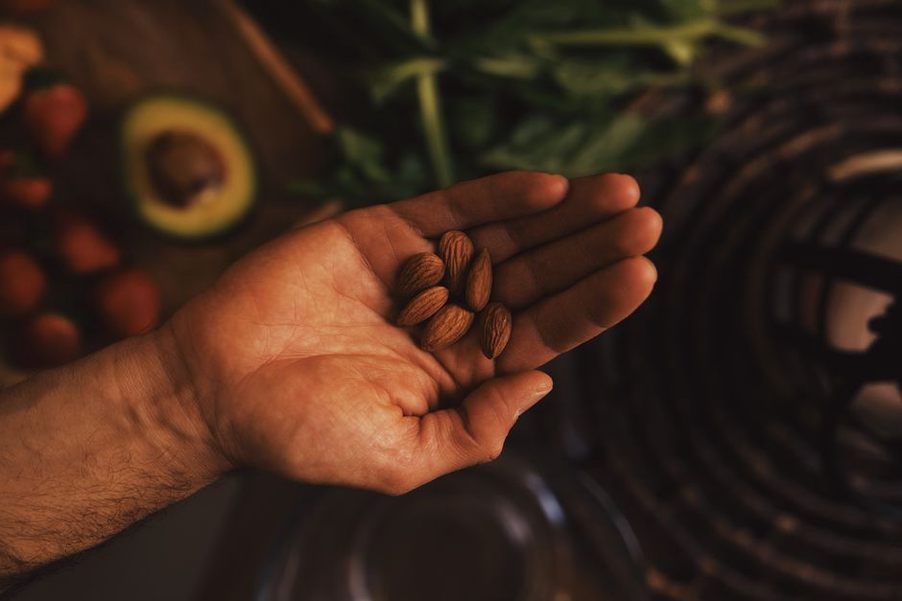
The Paleo diet, often referred to as the 'caveman diet,' focuses on whole foods that our ancestors might have consumed. This includes meats, fish, fruits, vegetables, nuts, and seeds, while excluding processed foods, grains, and dairy. The primary aim is to enhance nutrient intake and reduce inflammation by avoiding common allergens and irritants.
On the other hand, the Autoimmune Protocol (AIP) is a stricter version of the Paleo diet, tailored for individuals with autoimmune conditions. AIP requires additional exclusions, such as eggs, nuts, seeds, and nightshade vegetables, which may exacerbate autoimmune symptoms. The objective of AIP is to pinpoint specific triggers and foster healing by carefully managing food choices.
Key Differences and Their Impact on Digestive Comfort
While both diets aim to reduce inflammation and support gut health, they differ in their approaches. The Paleo diet offers a broader selection of foods, making it easier to sustain over time. It targets overall digestive comfort by eliminating processed foods and potential irritants.
In contrast, the AIP diet is more rigorous and often suggested for those who haven't found relief with less restrictive diets. By excluding a wider range of food groups, AIP seeks to address specific autoimmune triggers that might contribute to digestive issues. The reintroduction phase is crucial, helping individuals identify foods that may cause problems.
Planning Exclusions and Reintroductions
Both diets start with an elimination phase followed by careful reintroduction. The Paleo diet typically excludes grains, dairy, and processed foods, while AIP goes further by removing eggs, nuts, and seeds. Keeping a food diary can be invaluable for tracking personal reactions and adjusting the diet accordingly.
Reintroduction should be gradual, allowing time to observe any digestive changes or discomfort. This phase is essential in both diets to identify foods that can be safely reintroduced without adverse effects.

Practical Tips for Managing Digestive Health
- Start with a nutrient-rich plan: Focus on high-quality proteins and a variety of fruits and vegetables to ensure adequate nutrition.
- Maintain a food diary: Documenting food intake and any symptoms can help pinpoint triggers and guide dietary adjustments.
- Stay hydrated: Proper hydration supports digestion and can alleviate bloating.
- Consider probiotics: While not a treatment, probiotics can support gut health when included as part of a balanced diet.
- Consult a healthcare professional: Persistent symptoms should be discussed with a doctor to rule out underlying conditions.
For those following these diets, it can be helpful to explore strategies for effective practitioner partnerships, as discussed in 5 Strategies for Making Your AIP or Paleo Practitioner Partnership Actually Work.
Ultimately, both the Paleo and AIP diets offer paths to improved digestive comfort, but their effectiveness varies from person to person. Being attentive to your body's responses and making informed adjustments can lead to better digestive health. Always discuss persistent symptoms and dietary changes with a healthcare professional.