
The Connection Between Exercise and Gut Health
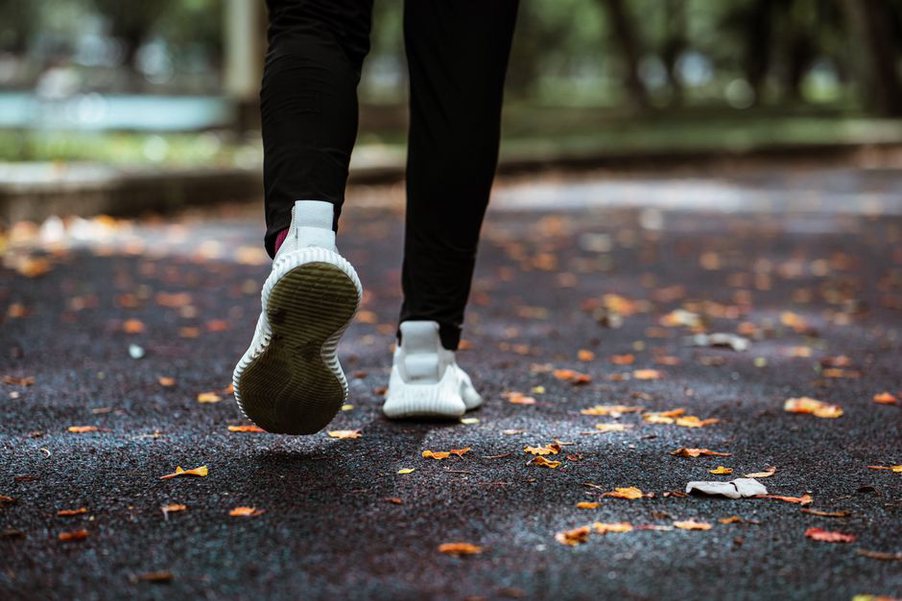
Exercise is widely recognized for its positive effects on cardiovascular health and weight management, but its influence on gut health is also significant. Physical activity encourages the growth of beneficial gut bacteria, which are crucial for digestion and overall well-being. This connection is particularly important for those following a Paleo diet, which emphasizes whole foods and nutrient density.
How Exercise Enhances Gut Microbiome
The gut microbiome is made up of trillions of microorganisms that aid in digestion, immune function, and even mental health. Regular physical activity can increase the diversity of these microorganisms, promoting a more resilient digestive system. This diversity is vital for individuals on exclusion diets, such as the Paleo diet, where food variety might be limited.
Impact of Exercise on Digestive Comfort
Physical activity can improve gut motility, which helps reduce bloating and constipation. For those with food sensitivities, exercise might alleviate discomfort by enhancing digestive efficiency. However, balancing exercise intensity is crucial, as excessive physical stress can negatively affect the gut.
Integrating Exercise with a Paleo Lifestyle
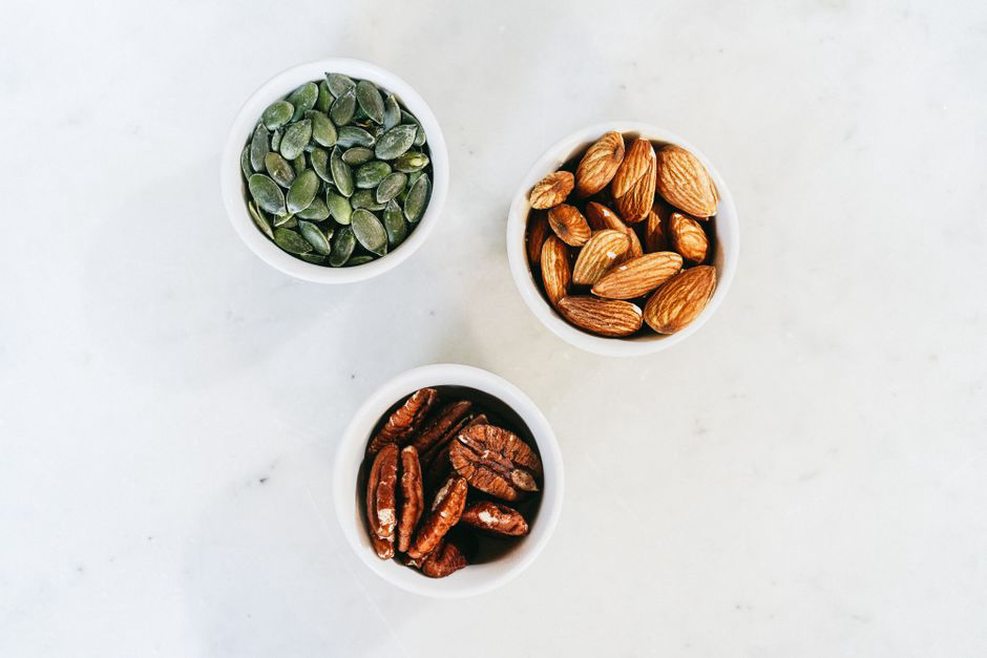
The Paleo diet focuses on foods our ancestors might have consumed, such as lean proteins, fruits, vegetables, nuts, and seeds. This diet complements an active lifestyle, providing the nutrients necessary for exercise recovery and gut health.
Practical Tips for Combining Exercise and Paleo
- Start slowly: Begin with moderate activities like walking or cycling to gradually enhance gut health without overwhelming your system.
- Stay hydrated: Drinking enough water is essential for maintaining digestive health and supporting metabolic processes during exercise.
- Balance nutrients: Make sure your Paleo meals offer a balance of macronutrients to fuel activity and aid recovery.
- Track your progress: Keeping a journal of your exercise routine and diet can help identify patterns and guide necessary adjustments.
Understanding the Paleo Diet's Nutritional Density
A key strength of the Paleo diet is its emphasis on nutrient-dense foods, which support gut health by providing essential vitamins and minerals. Foods rich in fiber, like vegetables and fruits, promote healthy digestion and support the growth of beneficial gut bacteria. Fermented foods such as sauerkraut and kimchi, which can be part of a Paleo diet, are excellent for enhancing gut flora.
For those looking to further boost gut health, exploring probiotic-rich foods can be beneficial. Our article Boost Your Gut Health with Probiotic Foods offers insights into incorporating these foods into your diet.
Conclusion: A Harmonious Approach
Combining exercise with a Paleo diet provides a holistic approach to improving gut health. By fostering a diverse gut microbiome, individuals may experience better digestive comfort and overall well-being. It's important to discuss any significant dietary or lifestyle changes with a healthcare professional, especially if persistent symptoms occur.