

Walking into a restaurant on a Paleo or Autoimmune Protocol (AIP) diet can feel less like a meal out and more like a negotiation. The menu, built for broad appeal, is often a minefield of seed oils, grains, dairy, and nightshade-based sauces. But the real problem usually isn't a shortage of options. It's a shortage of transparency. A dish listed as “grilled chicken with vegetables” might arrive basted in soybean oil, dusted with paprika, or resting on a bed of quinoa. Getting through this isn't about memorizing a list of “safe” dishes. It's about learning to ask precise, neutral questions that pull back the curtain on ingredients and techniques hidden behind menu language.
Decoding Menu Language
Restaurant menus lean on specific verbs that signal how a dish is prepared, and these words are your first filter. “Crispy,” “crusted,” “breaded,” or “battered” almost always mean a flour or breadcrumb coating. “Glazed” typically points to a sugar or soy-based reduction. “Creamy” in a savory dish usually means dairy, though in some cuisines it could be coconut milk or pureed vegetables. On the flip side, words like “grilled,” “roasted,” “steamed,” “broiled,” or “poached” describe cooking methods more likely to start with a whole, unprocessed ingredient. A grilled item can still be marinated in a problematic oil or spice blend, so the word is a starting point, not a guarantee.
One of the most overlooked sections of a menu is the sides list. A main dish might get a minimal description, but the sides often reveal the kitchen's default cooking fats and seasonings. If every side is sautéed in “chef's butter” or seasoned with a house spice blend, you can reasonably assume that same approach applies across the board. This is also where you can find the simplest building blocks for a meal: a plain baked sweet potato, steamed broccoli, or a side of avocado. Combining two or three simple sides is often the most reliable way to construct a compliant plate.
The Art of the Conversation
The interaction with the server is the most critical moment. The goal is to be clear and collaborative without being apologetic or overly detailed. A useful framework: state a simple dietary need, then ask a specific, closed-ended question. Rather than saying, “I can't eat gluten, dairy, soy, or nightshades,” which can overwhelm a busy server, try narrowing the focus: “I have a sensitivity to grains and dairy. Can you tell me if the grilled fish is cooked in butter or oil?” That gives the server a concrete piece of information to verify.
When asking about cooking fats, skip the generic question, “What oil do you use?” Many kitchens use a blend or a liquid margarine product that the server may not recognize. A better question: “Is it possible to have this pan-seared in pure olive oil instead of a butter blend?” This tests feasibility directly. If the answer is yes, you have a path forward. If the answer is no, you've learned that the kitchen's fat source is fixed, and you can pivot to a dish that is steamed, poached, or served raw.
For AIP followers in particular, nightshades are the hidden variable. Paprika, chili powder, cayenne, and even potato starch can appear in dry rubs, sausage, and sauces. A straightforward question is: “Does the seasoning on the steak contain any pepper-based spices, like paprika or chili?” Mentioning paprika specifically helps because many people don't intuitively categorize it as a nightshade. Similarly, asking about tomato paste in braises or stocks can uncover a non-obvious reintroduction risk.
Building a Plate by Cuisine
Different culinary traditions offer different default levels of compatibility. Understanding these patterns lets you anticipate where modifications will be easiest.
Steakhouse or American Grill: Often the most straightforward. A high-quality cut of meat, a plain baked sweet potato or white potato (if reintroduced), and steamed vegetables with olive oil on the side. The main risk is butter on the steak and a pre-mixed seasoning salt. Ask for the steak to be cooked dry or with a specified oil, and request no compound butter on top.
Japanese: Sashimi is a reliable option—it's simply raw fish. Be cautious with pickled ginger, which often contains sugar and food coloring, and wasabi, which is frequently a horseradish-based paste with additives. Avoid tamari unless you've confirmed it's wheat-free, and skip the miso soup due to soy. Plain steamed rice is a personal reintroduction choice; for strict Paleo, request extra sashimi or a side of seaweed salad, checking for soy sauce in the dressing.
Mediterranean: Olive oil is the default fat, which is an advantage. Grilled fish, lamb chops, and simple salads with lemon and oil are strong candidates. The pitfalls are dairy (feta, yogurt sauces) and nightshades (tomatoes, peppers). A Greek salad without feta, or grilled octopus with lemon and olive oil, can be a satisfying meal. Ask about flour in any ground meat preparations like keftedes.
Mexican: This can be one of the more challenging cuisines because of the prevalence of corn, beans, dairy, and nightshades. Fajita meat and vegetables, if cooked in oil rather than a pre-made spice mix, can work. Guacamole, made simply with avocado, onion, cilantro, and lime, is often compliant—verify that no tomato or sour cream is mixed in. A plate of carnitas (slow-cooked pork) with a side of guacamole and a lime wedge can be excellent, provided the pork isn't braised in a chili-based sauce.
Salads and Dressings: A Closer Look
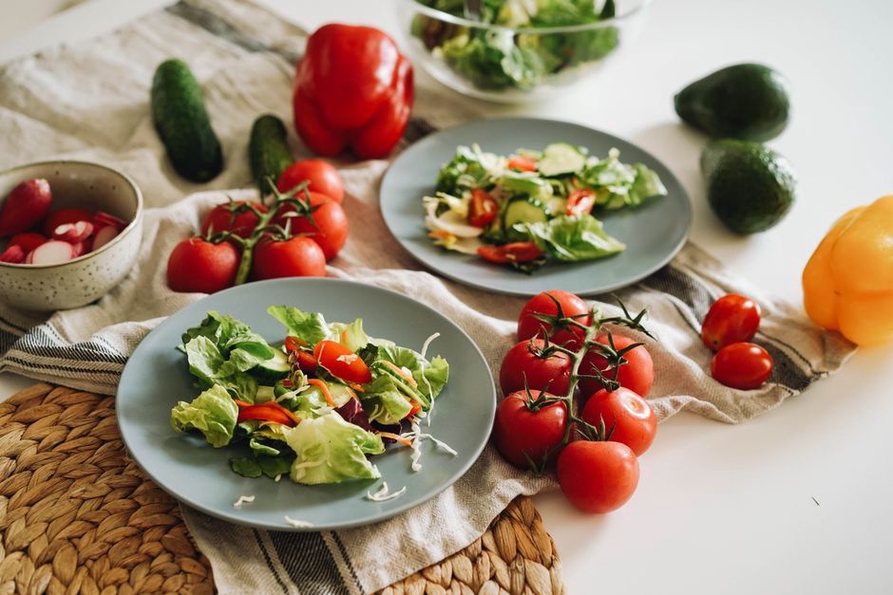
A salad seems like the safest choice, but it's often the delivery vehicle for multiple problematic ingredients. Croutons, cheese, creamy dressings, and candied nuts are visible. Less visible are the oils in the vinaigrette. Most commercial and house-made dressings use a base of canola or soybean oil. A simple request: “Can I have a plate of mixed greens, cucumber, and avocado with a side of olive oil and lemon wedges?” This puts you in control of the fat and acid. If you're reintroducing vinegar, balsamic or apple cider vinegar on the side is another option.
When a salad is described as containing a protein, ask how that protein is prepared. A “grilled chicken salad” might feature chicken that was pre-marinated in a soy-based or dairy-based solution. Requesting a plain grilled chicken breast, sliced, on top of a custom salad is a more reliable path.
Beverages and the Unseen Sugars
Drinks are an extension of the meal. Water, sparkling water with a lemon or lime wedge, and plain herbal tea are universally safe. The risk comes with anything mixed. Cocktails often contain simple syrups, fruit juices from concentrate, and bitters that may include grain alcohol. Even a “dry” martini isn't a guarantee, as some vermouths contain added sugars and botanicals that aren't fully disclosed. If you choose to drink alcohol, a glass of dry wine (red or white) is typically the least complex option, but it's a personal choice that sits outside the core elimination framework for many on AIP.
When the Best Option Is a Strategic Snack
There are dining situations where the available menu simply doesn't support a satisfying Paleo or AIP meal. A small, chef-driven restaurant with a fixed tasting menu, or a fast-casual spot where every item is pre-sauced, may leave you with a plate of undressed lettuce. In these cases, the most practical strategy is to eat a small, nutrient-dense snack before you arrive, and treat the restaurant experience as a social one. A small serving of cold salmon, an avocado, or a compliant meat stick can shift the focus from scarcity to connection. This isn't a failure of the diet; it's a realistic acknowledgment that not every environment is designed for specialized eating patterns.
Travel and Chain Restaurants
Chain restaurants have a distinct advantage: ingredient and allergen information is often standardized and available online. Reviewing the allergen menu before you arrive can give you a clear picture of which items contain soy, dairy, or gluten. Look for the “plain” or “unseasoned” options that are often listed for children or as part of a “lighter fare” section. A grilled chicken breast, a plain burger patty (no bun), and a side of steamed broccoli is a common combination that appears across many chain menus. At a burger-focused chain, a lettuce-wrapped burger without cheese, sauce, or seasoning salt is a familiar request to most kitchens.
When traveling internationally, the same principles apply, but language barriers add a layer of complexity. A translation card that lists your specific dietary needs in the local language can be a practical tool. The card should be concise and focused on ingredients (“no wheat flour, no soy sauce, no butter, no chili pepper”) rather than diet names, which may not be recognized. This approach respects the kitchen's expertise while providing clear, actionable information.
For those who are also managing digestive comfort, the restaurant environment can introduce additional variables. The combination of a larger meal volume, a different fat composition, and the social setting itself can influence digestion. This is a topic explored in more depth when looking at the relationship between stress and digestive comfort, which is covered in the article on why autoimmune disease affects women differently, where the interplay between hormones and dietary choices is examined.
One final detail often gets overlooked: the garnish. A sprig of parsley is harmless, but a dusting of paprika or a sprinkle of fried shallots on a finished dish can introduce a problematic ingredient at the last second. A simple, polite request as you order—“Please no garnish or spice dusting on the plate”—closes this small but meaningful gap. The meal that arrives is then as close to the agreed-upon ingredients as possible, letting you enjoy the experience with a greater sense of ease.