
The Power of Herbs and Spices in Digestion
Throughout history, herbs and spices have played a crucial role in traditional medicine, particularly for improving digestion and gut health. These natural flavor enhancers offer a range of digestive benefits, making them a valuable addition to any diet. Let's take a closer look at some popular herbs and spices and their specific advantages.
Top Herbs and Spices for Digestive Health
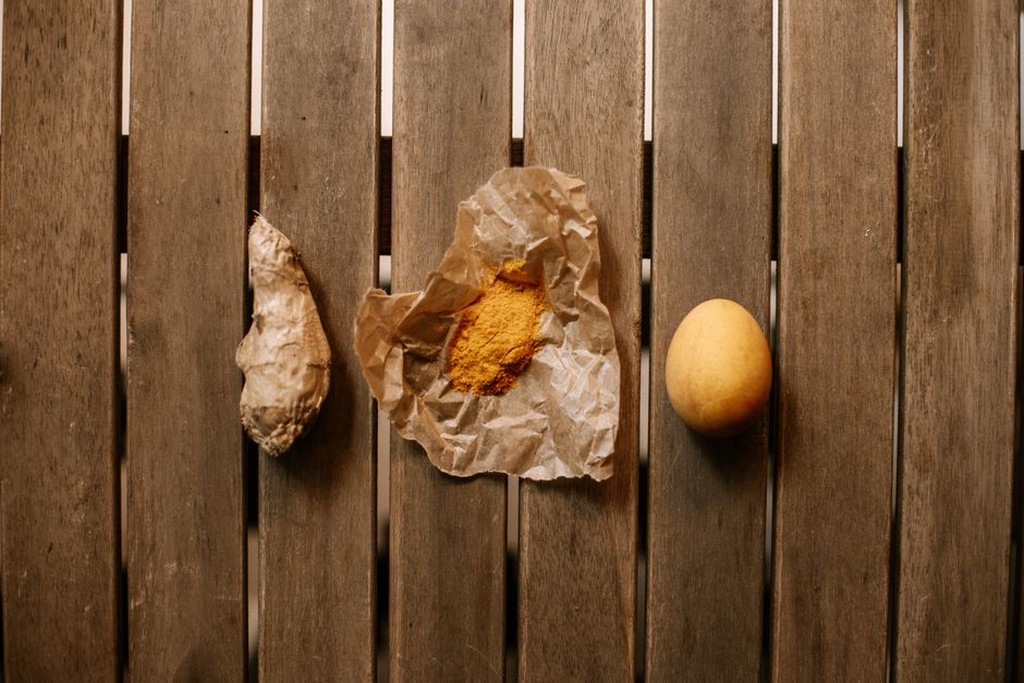
Ginger
Ginger is celebrated for its effectiveness in easing nausea and reducing bloating. The active compounds, gingerols and shogaols, stimulate digestive enzymes, facilitating smoother digestion. You can incorporate fresh ginger into your meals, brew it as tea, or enjoy ginger chews for a quick remedy.
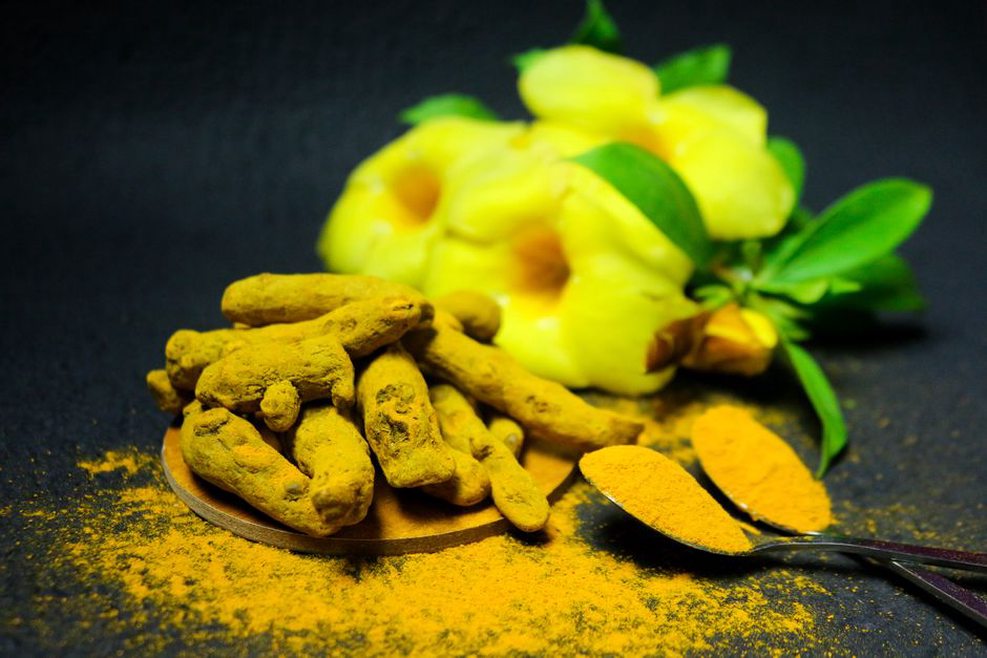
Turmeric
Turmeric is distinguished by its bright yellow hue and contains curcumin, known for its anti-inflammatory effects. Curcumin can help calm the digestive tract and alleviate indigestion. Adding turmeric to dishes like curries, soups, or smoothies is a practical way to enjoy its benefits.
Peppermint
Peppermint oil is a popular choice for relieving symptoms of irritable bowel syndrome (IBS) and general digestive discomfort. It helps by relaxing the muscles in the gastrointestinal tract. Consuming peppermint tea or using peppermint oil capsules can help reduce bloating and gas.
Fennel
Fennel seeds have long been used to address digestive issues such as bloating and gas. They contain anethole, which can reduce gut inflammation. Chewing fennel seeds after meals not only aids digestion but also freshens breath.
Chamomile
Chamomile is famous for its soothing properties and can alleviate digestive discomfort. It is particularly effective in calming the stomach and easing indigestion. Chamomile tea is a widely enjoyed method to harness these benefits.
Incorporating Herbs and Spices into Your Diet
Enhancing your meals with herbs and spices is an easy way to tap into their digestive benefits. Here are some practical tips:
- Start Small: Introduce one herb or spice at a time to monitor your body's response and identify any sensitivities.
- Use Fresh Ingredients: Fresh herbs and spices often contain higher levels of beneficial compounds than dried ones.
- Pair with Food: Certain herbs and spices, such as turmeric, are better absorbed when combined with healthy fats or black pepper.
- Make Teas: Herbal teas are an excellent way to extract active compounds. Steep herbs like chamomile or peppermint in hot water for a soothing drink.
Understanding the Role of a Balanced Diet
While herbs and spices can enhance digestive comfort, maintaining a balanced diet rich in fiber and nutrients is essential. For those following a Paleo lifestyle, understanding how different dietary components interact is crucial. You can explore more about structuring a balanced Paleo diet in our practical guide to Paleo and elimination diets.
Monitoring Your Digestive Health
Keeping a food and symptom diary can help identify which herbs and spices benefit your digestive health the most. By tracking meals and digestive symptoms, you can adjust your diet accordingly. If you're exploring specific dietary protocols like the Autoimmune Protocol (AIP), ensure you're informed about the latest research and guidelines. Check out our article on how to evaluate research on the AIP and Paleo diet for more insights.
Adding herbs and spices to your diet is a flavorful approach to supporting digestive health. Whether you experience occasional discomfort or want to bolster your digestive system, these natural ingredients can be a valuable part of your culinary toolkit. Remember to complement their use with a nutrient-rich diet and consult healthcare professionals for persistent issues.