

After dinner, try writing one sentence: “Had leftovers, felt comfortable afterward, and was tired by nine.” That’s a journal entry. You don’t need a full page, polished prose, or a record of everything you did.
When meals and digestive comfort are on your mind, a short note can save you from trying to remember details later. Record what you ate, how you felt, and anything else that seems relevant. The aim isn’t to turn every meal into an investigation.
Give the journal one job
Before choosing a notebook or app, decide what you want the notes to help with. “Track my entire health” is a lot to ask of a new habit. “Make meal planning easier next week” or “Bring clearer notes to an appointment” gives you a better sense of what belongs on the page.
That purpose can change. For a few weeks, you might collect ideas for satisfying paleo-style lunches. Later, you might keep a simple food-and-symptom record to discuss with a clinician. Or you might write to put frustrations into words, with no intention of collecting health data. Each calls for different notes; none requires an account of your whole day.
Choose a small set of prompts
Start with two or three questions you can answer quickly:
- What did I eat? Ordinary descriptions, such as “chicken, roasted carrots, and rice,” are fine. You don’t need to measure every ingredient.
- How did I feel? Describe comfort or a symptom in plain language. Add roughly when it happened if that seems useful.
- What else was going on? A rushed meal, poor sleep, travel, or a stressful afternoon may give the note context.
Leave a prompt blank if there’s nothing useful to say. If you’re saving recipes or meal ideas, swap the symptom question for “Would I make this again?” Keep only questions that serve your purpose.
Make the first entry deliberately short
Set a limit, not a target: two minutes or three lines. It’s easier to start on a busy day when you know you can stop. You can always write more when you want to.
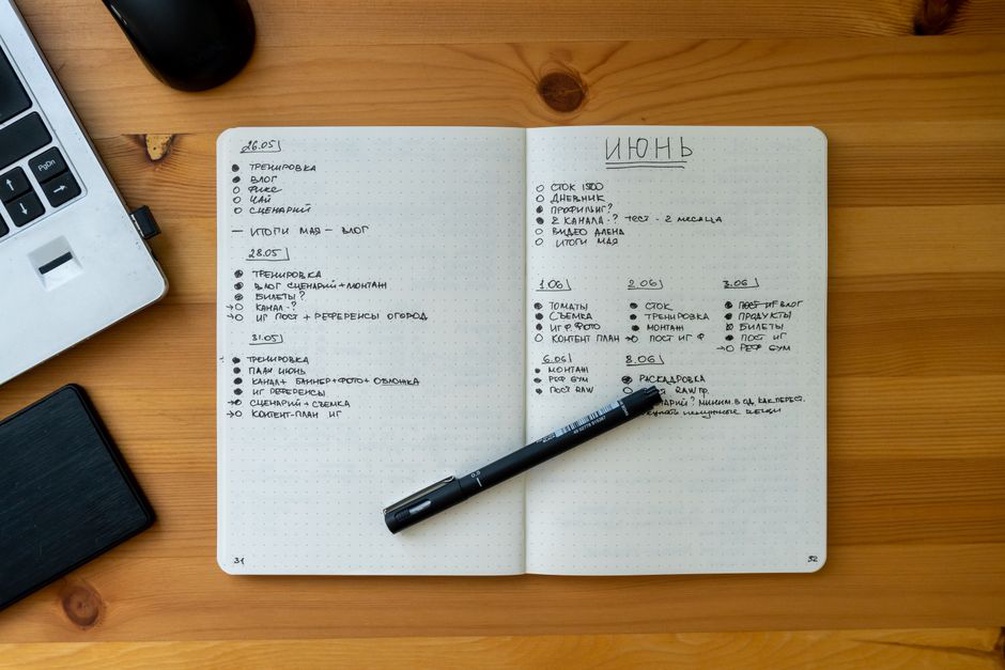
Pick a format you’ll actually use. A small notebook near the table might suit you if you like handwriting; a phone note may be easier when you eat away from home. A calendar works if you only want one line a day. There’s no reason to build a more elaborate system while a simple one is doing the job.
Attach the entry to something you already do, such as clearing the dinner plate or putting away lunch. If writing in the evening feels like another chore, jot down a few words soon after eating. Choose a time when you can remember the details without interrupting the meal.
Write in a way your future self can understand
“Bad day” may capture how you felt, but it won’t tell you much when you look back. “Bloating began about an hour after lunch; also ate quickly before a meeting” is more useful without claiming to explain the symptom. For a meal you liked, “Soup was filling and easy to pack” gives you an idea for next week.
Don’t worry about perfect recall. Approximate times and everyday food names are often enough for a personal record. If you can’t remember an ingredient, write “not sure” rather than guessing.
Keep food notes from becoming food rules
A journal can show that two things happened around the same time. It can’t establish that one food caused a symptom. Digestive comfort may vary with meal size, timing, stress, sleep, and other factors. One uncomfortable evening after dinner isn’t proof that every ingredient in the meal needs to go.
If you’re following an exclusion approach or planning to bring foods back, record what changed, roughly how much you ate, and what you noticed afterward. Try not to change several foods at once in search of a clear answer. Restrictive diets can make it harder to meet nutritional needs, so discuss significant diet changes and persistent symptoms with a doctor. A registered dietitian can help you plan an adequate diet. Your notes can support those conversations, but they aren’t a tool for self-diagnosis or a substitute for care.
For some people, recording every bite increases anxiety or makes eating feel like a test. If that happens, scale back to an occasional meal note. You could write about energy, routines, or practical needs instead. You don’t have to track symptoms to find writing useful.
Make missed days unremarkable
A blank page isn’t a debt. After a gap, write the next entry without reconstructing everything you ate or felt. “Busy week; starting again with Thursday dinner” is enough if you want to acknowledge the break.
Give yourself a minimum version for demanding days. A few words can save a meal idea; a dash can mean there was nothing you wanted to note. You can also write only when you try a new recipe or have an appointment coming up. Regular notes may help, but a streak isn’t worth dreading the notebook.
Look back for decisions, not verdicts
Review a handful of entries when you have a reason: planning groceries, describing symptoms at an appointment, or choosing lunches to make again. Reading every page each night can make ordinary fluctuations feel like a puzzle you have to solve.
Look for observations you can use without jumping to a diagnosis. “I enjoyed the packed lunches I prepared ahead” might prompt you to make an extra portion at dinner. “Symptoms have continued despite several changes” is information to bring to a doctor, not a reason to keep narrowing your diet on your own.
If your prompts produce pages of details you never use, remove one. If the entries are too vague to help, add a concrete question such as “What would make tomorrow’s lunch easier?” Your journal can get simpler or more specific as your needs change.
For a first entry tonight, write the date, one meal you’d gladly eat again, and one sentence about why it worked. Then close the notebook, even if the rest of the page is empty.