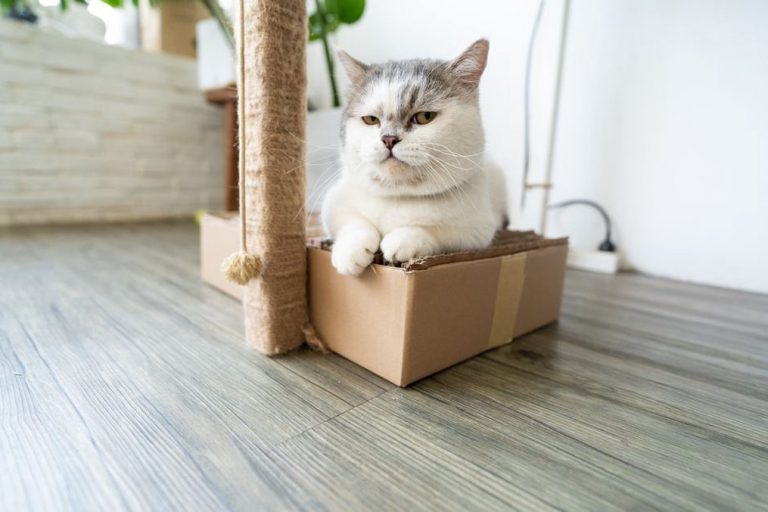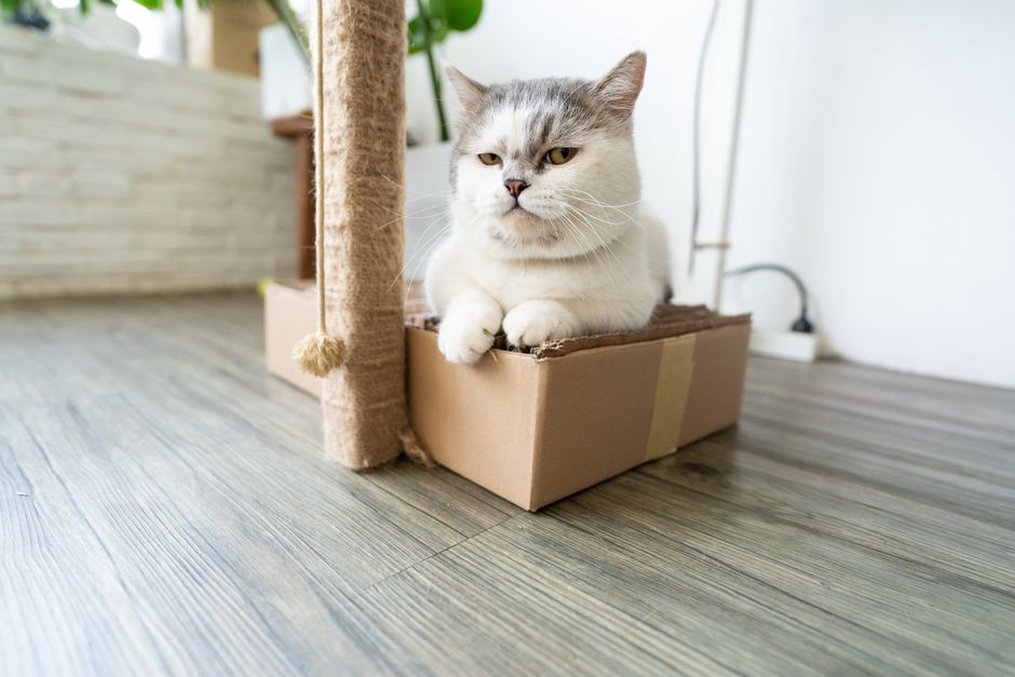
Before you bring a cat home, set up a quiet room with a litter box, water, food, a scratching surface, and a place to rest. A new cat needs somewhere to hide more than a tour of the house. Even a friendly one may retreat from unfamiliar smells, people, and sounds.
Decide whether a cat fits your household
Cats may be affectionate and sociable, but they often want contact on their own terms. They still need daily care: meals, fresh water, litter scooping, play, and someone who notices changes in behavior. Who will take care of those things on late workdays, during holidays, or in an emergency? If someone in your household has allergies, spend time around cats before committing. Living with one is different from a short visit; discuss persistent symptoms with a doctor.
Check your lease or building rules for pet restrictions, deposits, and limits on the number of animals. Look at the home itself, too. Can you secure windows and balconies? Is there room to keep a new cat apart from resident pets? Make sure household members agree on indoor living or supervised outdoor access. If the cat will go outside, consider local traffic, wildlife, parasites, and the risk of getting lost.
Cats can live well into their teens, sometimes longer. Think beyond the first few weeks to moves, changing work schedules, and veterinary costs.
Choose a cat based on behavior, not looks alone
Kittens need frequent play, close supervision, and patience with climbing, scratching, and litter-learning setbacks. An adult cat may have a more established temperament, which can make it easier to find a match for a quieter home. Senior cats can be wonderful companions; ask about existing health conditions and likely care costs.
Tell shelter or rescue staff about your household’s activity level, children, other pets, and the kind of interaction you hope for. Ask what they’ve observed over time, rather than judging a cat by one meeting. A cat hiding in a noisy adoption room may relax in a quiet home. One that comes straight over may still dislike being picked up.
Questions to ask before you commit
- What is known about the cat’s history, age, and experience with people or other animals?
- What food and litter is the cat using now?
- Has the cat been spayed or neutered, microchipped, vaccinated, and examined by a veterinarian? Which records will you receive?
- Are there known medical needs, medications, or recurring behavior concerns?
- What does the adoption fee include? Is there a return or support policy if the match does not work?
Staff may not know every answer, especially for a stray. There’s a difference between a genuine unknown and an assurance no one has checked. Keep copies of the information you receive.
Budget beyond the adoption fee
You’ll need a secure carrier, litter boxes and litter, appropriate food, bowls, scratching surfaces, toys, and cleaning supplies. Ongoing costs include food, litter, preventive care, and veterinary visits. Travel may mean paying for boarding or a pet sitter. Prices vary by location, so ask a local veterinary clinic for estimates and check pet-sitting options before deciding what you can afford.
Plan separately for unexpected veterinary bills. Some adopters save an emergency fund; others compare pet insurance policies. If you’re considering insurance, check exclusions, waiting periods, deductibles, and whether you must pay the clinic before being reimbursed. Either way, you’ll need a way to get the cat prompt care.
Prepare the home for normal cat behavior
Scratching is normal: cats do it to maintain their claws and mark territory. Give them acceptable places to scratch instead of expecting them to leave every surface alone. Start with a sturdy upright post and, if possible, a horizontal scratcher. Put them near resting spots or furniture that might otherwise appeal to the cat. Rewarding scratcher use is more helpful than punishing a cat for scratching the sofa.
A common starting point for litter boxes is one per cat, plus one extra, in accessible spots. Each box should be large enough for the cat to turn around. Many cats prefer an uncovered box and unscented litter, though preferences differ. Scoop daily, and keep boxes away from loud appliances and food. If a cat starts avoiding the box, arrange a veterinary assessment rather than treating it as misbehavior.
Check for hazards at floor level and wherever a cat might climb. Secure windows and balconies; an insect screen may not hold a cat’s weight. Put away string, ribbon, small swallowable objects, cleaning products, and medicines. Check houseplants, too. Some are toxic to cats, and lilies are particularly dangerous. Think about electrical cords and fragile objects when deciding where the cat can climb.
Plan for food without borrowing human diet rules
Cats are obligate carnivores, with nutritional needs different from those of people and dogs. Your household’s paleo or elimination diet is not a feeding plan for a cat. Choose food labeled complete and balanced for the cat’s life stage, and ask a veterinarian about any medical or dietary needs. Homemade, raw, grain-free, and limited-ingredient diets aren’t automatically safer or more appropriate.
Ask what the cat has been eating. If you need to change it, ask the shelter or veterinarian how to make the switch gradually; a sudden change can upset digestion. A cat that refuses food needs attention, especially if it seems unwell. Keep fresh water in a clean bowl away from the litter box. Some cats prefer a wide bowl or a fountain, but you should still keep track of whether they’re eating, drinking, and using the box.
If someone in the household excludes foods for their own health, clearly label or store human and cat food separately, and use separate feeding utensils if needed. Discuss persistent symptoms and changes to your own diet with a doctor. Don’t change the cat’s diet to match yours.
Make the first days predictable
Bring the cat home in a closed, secure carrier. Put the carrier in the prepared room, open the door, and let the cat come out when ready. Leave a hiding place, such as a cardboard box or covered bed. Provide food, water, and a clean litter box, and keep early visits calm and brief. Don’t pull the cat out to meet guests.
Some cats explore within hours; others need days or longer. Eating, using the litter box, grooming, playing, and approaching you voluntarily are all signs of adjustment. Let the cat decide when to interact. Once it’s reliably eating and using the box, gradually open up the rest of the home. Keep doors and windows secure: a cat unfamiliar with its surroundings can slip out quickly.
If you already have pets
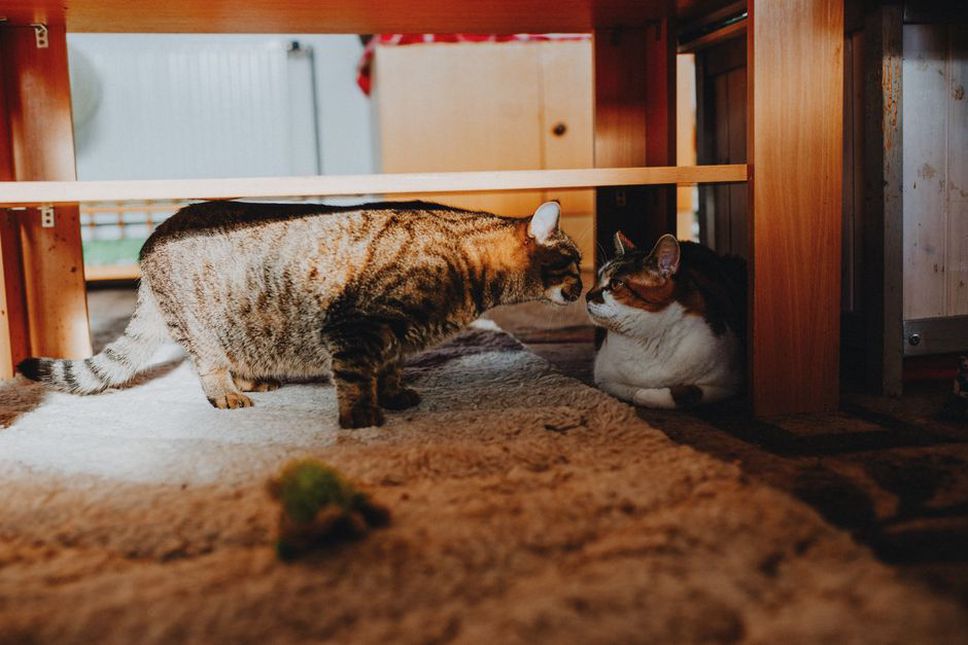
Keep the newcomer separate at first. Swap bedding or let each animal investigate the other’s scent without meeting. Next, try a barrier or brief, controlled meetings while watching for signs of stress. Don’t force face-to-face contact or leave the animals together unsupervised before they’re comfortable. Introductions can take weeks; ask a veterinarian or qualified behavior professional for help if aggression or distress persists.
Arrange veterinary care and identification
Book an initial veterinary visit soon after adoption, even if the shelter has already provided care. Bring the records and ask what follow-up is due. The veterinarian can check the cat’s weight, teeth, and general health, and advise on vaccinations, parasite prevention, and spaying or neutering if needed. Recommendations depend on the cat’s age, health, and location.
Check that the microchip is registered with your current contact details. An implanted chip won’t help someone reach you if its registration is out of date. A breakaway collar with an ID tag gives someone another way to contact you. Save the number of a local emergency veterinary clinic before you need it.
Get to know the cat’s usual eating, drinking, litter-box, and activity patterns so you can spot changes. Contact a veterinarian promptly if the cat stops eating, repeatedly vomits, has trouble breathing, or seems unusually weak. Straining to urinate or making frequent trips to the box with little or no urine can be an emergency, particularly in male cats. On adoption day, keep the carrier near the prepared room and put the veterinary records somewhere you can find them for that first appointment.