

Put two dates on your calendar before the weather changes: one to inspect the house and another to deal with what you find. A seasonal check may take an hour; its real value is the short, prioritized repair list that comes out of it. A dripping gutter, a loose door seal, and an overdue filter change need different kinds of attention. They don't all have to become weekend projects.
Treat the seasons as prompts, not fixed deadlines. In a mild climate, a heating check may make sense in late autumn; where winter arrives early, do it sooner. Renters can use the same calendar to spot and document problems, then report repairs that fall to the property owner.
Start with a manageable system
Keep a single home record, whether it's a notebook, spreadsheet, or calendar entry. Write down the date, what you checked, what you noticed, and what needs to happen next. Keep equipment model numbers and filter sizes there too. Manufacturer instructions and local requirements take priority over any general schedule, particularly for alarms, heating equipment, chimneys, and water systems.
- Check: Look for visible wear, leaks, unusual sounds, and blocked airflow.
- Act: Do simple jobs you can handle safely, such as clearing accessible debris or fitting a compatible replacement filter.
- Escalate: Call qualified help for electrical faults, gas equipment, roof work, structural concerns, or persistent moisture.
Take photos from the same spot each season. They can reveal slow changes that are easy to miss day to day. Keep receipts and service reports with your notes so you know when a repair was completed, not just when you first noticed the problem.
Spring: look for winter damage and moisture
Once the worst winter weather has passed, walk around the outside of the home. Look up from the ground for displaced roof materials, damaged flashing, sagging gutters, and loose downspouts. Pay attention to where rainwater goes: it should drain away from the foundation, not collect against the wall. Clear accessible gutter outlets only if you can do so safely; leave high or awkward areas to a professional.
Check window and door frames for peeling finishes, soft spots, and gaps in sealant. Indoors, look for stains or dampness on ceilings, basement walls, and under sinks. Investigate a fresh stain promptly, even if it feels dry by the time you find it. Drying the patch won't stop another leak if the source remains.
Before warm weather arrives
- Clear leaves and debris from accessible outdoor drains and air-conditioning units, following the equipment instructions.
- Book cooling-system service if recommended for your system; note uneven cooling or unusual noises.
- Check exterior taps and hose connections for leaks after turning them on.
- Inspect steps, paths, and handrails for winter-related movement or loose fittings.
If you have a sump pump, test it before the rainy season according to the manufacturer's instructions. Keep its discharge route clear and check that it sends water to a location permitted under local rules.
Summer: maintain airflow and exposed surfaces
Dry weather makes some outdoor areas easier to inspect. Look for cracked or peeling paint and other protective finishes, especially around trim and joints. Repairing a small exposed area can help keep water out of the material beneath it. Check decks, balconies, and stairs for loose boards or railings, and ask a qualified professional to assess anything that may be structural.
After a heavy shower, see where water collects around the building. Soil sloping toward the foundation, blocked drainage channels, or puddles that keep returning may need more than a surface fix. Note the locations and seek advice before changing drainage in a way that could affect a neighbor's property.
Make the kitchen and laundry check practical
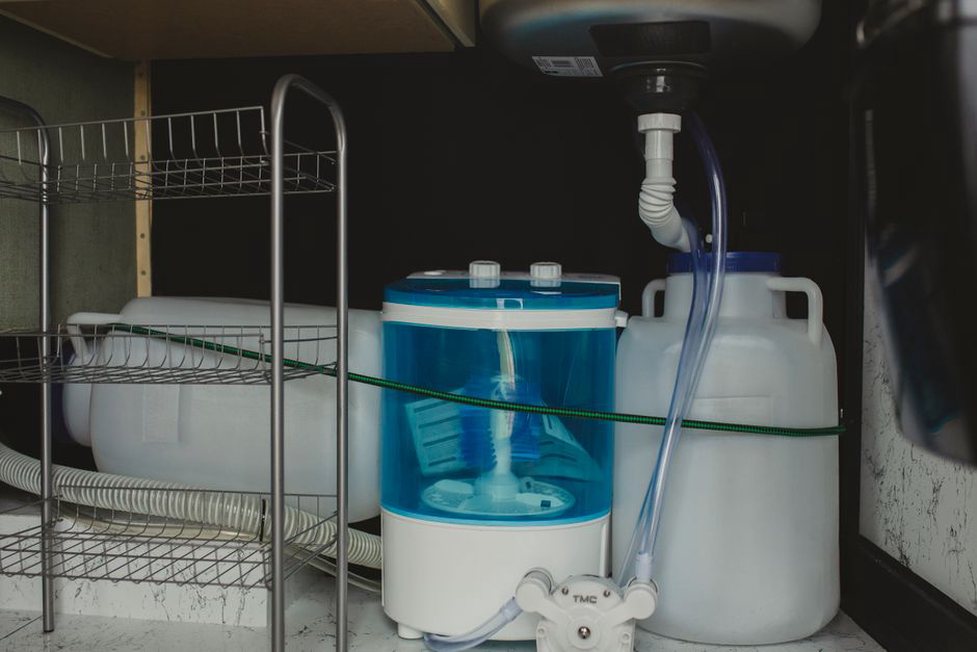
Move appliances only if you can do so safely. Look for water around the dishwasher, refrigerator supply line, and washing-machine hoses. Check the dryer vent as the appliance instructions direct: lint can restrict airflow, and long or hard-to-reach vent runs may need professional cleaning. Clean kitchen extractor filters as directed so the ventilation keeps working as intended.
If you cook often, a clear food-preparation area and a working extractor can make the routine easier. Neither ventilation nor a tidy counter addresses a recurring leak or persistent indoor dampness; investigate those separately.
Autumn: prepare for cold, wind, and rain
Arrange heating-system checks before the first sustained cold spell, when appointments may be harder to get. Clean or replace filters at the interval specified for your system, and keep vents and radiators clear. If you use a fireplace or wood stove, arrange inspection and cleaning as appropriate for the appliance and its use. Gas appliances and suspected fuel leaks need qualified attention; if you smell gas, follow local emergency guidance.
Replace door and window weatherstripping that no longer seals. A windy day can help you find obvious drafts, but don't seal vents meant to provide combustion air or household ventilation. In an attic or accessible roof space, look for signs of water entry without stepping on surfaces that aren't designed to bear weight.
- Remove fallen leaves from reachable drains and gutter openings after the main leaf drop.
- Disconnect garden hoses and prepare outdoor taps using guidance suited to your climate and plumbing.
- Check lighting at entrances and steps before the days get shorter.
- Find the main water shutoff and show household members who may need it where it is.
Test smoke and carbon monoxide alarms as their instructions specify. Replace batteries or units when required, and check each alarm's stated replacement date. Placement rules and other requirements vary by location, so follow local guidance.
Winter: monitor small changes indoors
Winter checks are mostly about noticing what's changed. After a storm, look from a safe position for ice buildup, blocked vents, or new water stains. Don't climb onto an icy roof or chip at roofing materials. If ice keeps forming along the roof edge, a qualified contractor can assess insulation, ventilation, and drainage rather than dealing only with the visible ice.
Watch for condensation that repeatedly gathers on windows or cold walls. A brief spell may reflect ordinary indoor moisture; recurring dampness or visible mold needs attention to ventilation and the moisture source. Use bathroom and kitchen fans as intended, and keep their exhaust outlets clear. If a pipe freezes or you suspect a hidden leak, don't force fittings or use an open flame. Contact an appropriate professional.
Once a month, spend five minutes looking under sinks, around the water heater, and near appliances connected to water. On your first winter check, record a specific observation, such as “no dampness beneath the kitchen sink on December 3.” If something changes later, you'll have a useful point of comparison.