
If you have 25 minutes before leaving, a cooked breakfast, a long walk, and a quiet hour are not a realistic plan. Start with the time you have and the commitments you cannot move. A useful morning routine helps you meet them; it does not give you another deadline.
If you manage food sensitivities or follow a paleo-style diet, your first decisions may be whether to eat before commuting, what to bring, and how to make time for a meal without rushing. Those choices matter more than copying someone else’s sequence of habits. The routine needs to work on an ordinary, imperfect weekday while leaving room for enough food and rest.
Define what a successful morning needs to do
Before choosing habits, name the problem you want to solve. Perhaps you leave without food and end up buying something that does not agree with you. Perhaps you need an unhurried bathroom window, time to get ready for work, or a calmer transition after caring for children. Each calls for a different plan.
Choose one or two outcomes you can observe. “Leave with a packed lunch three workdays this week” gives you more to work with than “be healthier.” “Have time to eat sitting down” is more useful than “have a perfect breakfast.” If mornings already go well, you need not add habits just because they appear on a checklist.
Separate essentials from extras. Caring for dependents, following your clinician’s instructions, eating when you need to, and getting out the door may be essentials. Stretching, reading, or cooking a more involved meal may be extras. An optional habit should not push out sleep or a necessary meal.
Build around your real starting point
For a few days, notice when you wake, when you need to leave or start work, and what happens in between. Count the easily overlooked jobs: finding clean clothes, waiting for a shared bathroom, feeding a pet, deciding what to eat. You do not need a minute-by-minute log. A rough timeline can show where the pressure builds.
Look at the previous evening, too. If breakfast requires you to wash a pan, defrost food, and find a container, try moving one of those jobs earlier. That may help more than setting your alarm 30 minutes sooner. But evening preparation takes time as well. If it cuts into sleep or recovery, simplify the morning task instead.
Sleep belongs in the plan. Getting up early for a lengthy wellness routine is a poor trade if it regularly leaves you short on sleep. Shift workers, parents of young children, and people with fluctuating energy may not have a consistent wake time. In that case, tie a step to an event—“after getting dressed, check what food I have for later”—rather than to 6 a.m.
Give the routine a small, dependable core
Keep the core short enough to manage on a busy day. It should address your main morning need without depending on ideal conditions. For example:
- Get oriented: Check the time and your first fixed commitment before opening a stream of notifications.
- Meet a basic need: Have a drink if you are thirsty, use the bathroom, and allow time for food if your appetite and schedule call for it.
- Remove one predictable obstacle: Put packed food by your bag, confirm a breakfast option, or check what you need for the commute.
The order is flexible. If you feel nauseated just after waking, eating later may work better. If prescribed medicine must be timed with food, follow your clinician’s instructions rather than changing the timing to suit a generic routine. And if an activity repeatedly makes you miss a basic need, shorten it or move it.
Once the core works, add something only if it helps: a short walk, a few minutes outside, or a quiet pause before a demanding job. Try one addition at a time so you can tell whether it improves the morning or just fills it.
Make breakfast a decision, not a test
Breakfast need not look the same every day. Some people like to eat soon after waking; others prefer food later. Work hours, appetite, activity, medical needs, and medication instructions can affect timing. What matters here is whether your choice leaves enough opportunity to eat adequately and comfortably during the day.
If you eat breakfast, choose something satisfying and feasible using foods you tolerate. On a paleo-style pattern, that might be leftover protein with cooked vegetables and fruit, or another combination you prefer. If you are following an elimination protocol, use foods that fit your planned stage rather than testing a new ingredient on a rushed morning. Breakfast does not have to be made from “breakfast foods.”
Pre-cooked components can save time, provided you store and reheat them according to food-safety guidance. Do not leave perishable food out while you get ready. It also helps to keep a low-effort fallback that fits your current eating plan for mornings when the planned meal has run out.
Choosing to eat later is different from missing food because preparation was too complicated. If you often find yourself hungry, distracted, or without suitable food when you need it, adjust the plan. A simple breakfast or a packed later meal may serve you better than a rigid eating window.
If mornings come with digestive discomfort
Notice what happens without immediately blaming breakfast. Meal size, eating speed, particular ingredients, caffeine, stress, or symptoms that started the night before could all matter. Changing several things at once makes patterns harder to spot. A short note about what you ate, when, and how you felt later may tell you more than cutting another food after one uncomfortable morning.
If you are exploring possible reactions to leftovers or fermented products, keep the question specific; our guide to tracking suspected histamine symptoms on a paleo diet before cutting foods explains why it helps to look for patterns before restricting more foods. A morning routine cannot diagnose a food sensitivity. Discuss persistent digestive symptoms and proposed diet changes with a doctor.
Use cues that are already there
Link a step to something you already do. “After I put on my shoes, I put my packed meal in my bag” gives the action a cue. “When I start the kettle, I take out my planned breakfast” works if you make a hot drink most mornings. Pick a cue that survives busy days as well as easy ones.
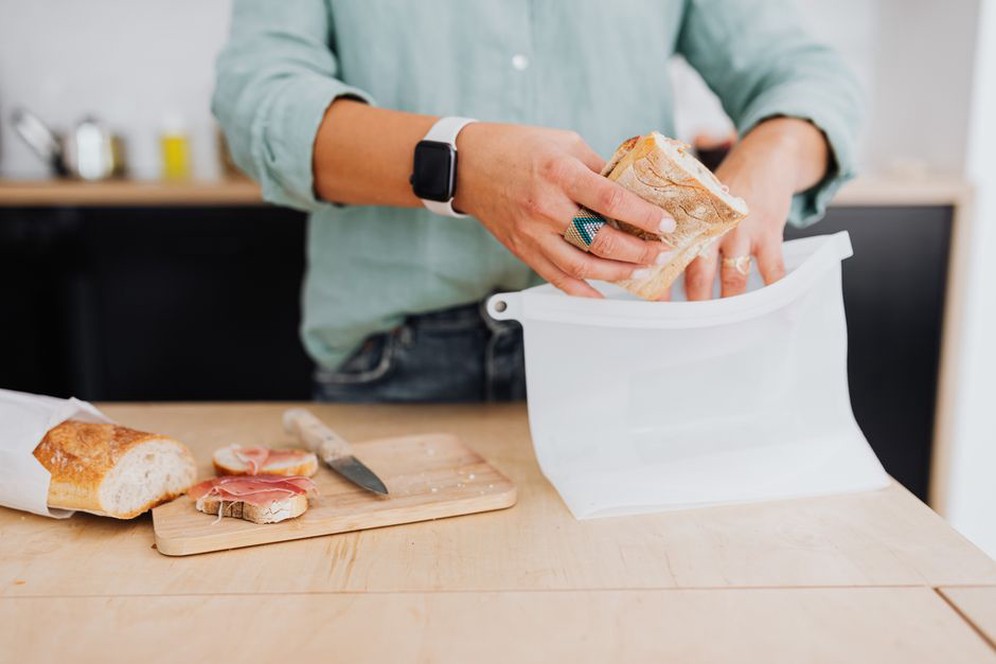
Make the next step easy to notice. A clean container on the counter can remind you to pack food; a note by the door can help you remember lunch. Keep food safety in mind: perishables should stay properly chilled until you leave. If a cue fades into the background, try a different one, such as placing your bag beside the refrigerator.
Reducing decisions can help more than making them faster. Two or three familiar breakfast options may be easier to choose from at 7 a.m. than a whole week of recipes. You can keep more variety for times when you have the space to think about it.
Plan a full version and a short version
Make one version for mornings with reasonable time and another for late starts, disrupted sleep, or caregiving surprises. Both need to cover the essentials.
| When there is time | When time is tight |
|---|---|
| Eat a prepared meal at the table. | Pack a suitable ready-to-eat option for the first available break. |
| Take a relaxed walk before work. | Step outside briefly while leaving, if practical. |
| Write a few notes about yesterday’s food and symptoms. | Record one relevant detail later in the day. |
The short version should not rely on skipping something important. If your commute offers no realistic food break, “I’ll eat later” is not much of a fallback. If an elaborate breakfast keeps making you late, simplify it or prepare part of it another time. The form can change while the purpose stays the same.
Check whether it helps, without tracking everything
Give a small change a week or two before judging it. Are you leaving on time? Is food available when you need it? Does the plan leave room for sleep? Is morning stress lower, unchanged, or higher? If a habit repeatedly creates friction, it may not deserve a place in the routine.
If you keep a food-and-symptom diary, record details that could help you make a decision or talk with a clinician: meal timing, a new food, symptoms, and context such as an unusually stressful morning. Day-to-day variation is not proof that one ingredient helped or harmed you. Cutting more foods without a clear plan can make adequate eating harder, especially if your diet is already limited.
A drink when you are thirsty, regular chances to eat, and a less rushed meal may make the day more comfortable. They do not treat an autoimmune condition or establish the cause of bloating. Seek medical advice if digestive symptoms persist, worsen, or concern you. Discuss significant dietary changes with a doctor, particularly if you follow an elimination diet or have an existing health condition.
Adjust the routine when your circumstances change
A new work shift may move breakfast later. Travel may take away your kitchen; a change in appetite may make a familiar meal unappealing. Rather than treating the whole routine as broken, look at which parts depended on the old circumstances. You may still be able to meet the same need—having suitable food available—in a different way.
On your next ordinary morning, test one small change. Put a clean food container where you will notice it and see whether that removes a real delay. If it does not, try another cue or a smaller task. The container does not need to become the center of your morning.