
Pick three dinners you already know how to make. Give each one a protein, a vegetable and a satisfying source of energy, such as potatoes, rice or another food that suits you. Repeat one dinner, use leftovers another night and leave a slot open. You’ve made the decisions that tend to feel hardest at the end of a busy day.
For beginners, the question isn’t “What should I eat every day?” It’s “Which meals will I actually need to prepare?” You can plan just a few days without deciding on every snack or exact portion.
Start with the meals that need help
Look at the next three or four days. Which evenings will you be home? When could you eat leftovers, and when is someone else providing food? If breakfast already works, leave it alone. If lunch is where plans fall apart, start there.
Check what needs using before you choose recipes: fresh produce, cooked leftovers and open packages. Then consider your time and equipment. A tray of chicken and vegetables might suit a quiet evening; eggs and vegetables may be more realistic after a late shift.
A small starter plan
- Two familiar meals: Pick dishes you can make without learning new techniques.
- One flexible meal: Put together a plate or bowl from the protein, vegetables and suitable starch you have.
- One backup: Keep ingredients for a low-effort meal that will last longer than fresh produce.
- One unplanned slot: Leave room for leftovers, an invitation or a change in appetite.
That’s enough to guide your shopping without turning meals into a timetable. Frozen vegetables, canned fish and potatoes could make a backup dinner. If canned fish doesn’t work for your household, eggs or a frozen portion of cooked meat might.
Use meal components instead of a stack of recipes
Separate recipes for every meal can mean a long shopping list and several half-used ingredients. Try reusable components instead: cook a protein, prepare a vegetable or two and keep an energy-giving food on hand. Combine them differently so you’re not eating the same plate all week.
Roasted chicken could go with potatoes and carrots one night. Safely stored leftovers could become a lunch salad the next day, with fruit on the side. For a third meal, use another protein with the remaining vegetables. Add fats through foods or cooking methods you enjoy, such as olive oil or avocado, where appropriate.
A paleo-style plan commonly includes vegetables, fruit, meat, fish, eggs, nuts and seeds, while excluding grains, legumes and dairy. Beginners don’t need to adopt those rules to plan meals. If you do eat paleo, think about satisfying sources of energy rather than relying on protein and greens alone; potatoes, sweet potatoes, squash and fruit offer options. If you don’t follow paleo, grains, legumes and dairy can also be practical, nutritious choices when tolerated.
Make the shopping list match the plan
Write ingredients under the meals that need them, then combine repeated items. Check the kitchen before you shop. You might already have potatoes for two planned dishes, or decide against buying herbs you’d use only once.
Estimate amounts based on who’s eating and whether you want leftovers. If you cook for one, a recipe serving four needs a plan for the extra portions. Refrigerate food promptly in shallow containers and eat it within a safe storage window, or freeze it for later. Follow local food-safety guidance for specific foods and storage times, and keep raw meat separate from ready-to-eat foods during storage and preparation.
Buy a few versatile vegetables rather than a different one for every recipe. Frozen vegetables help when plans change and fresh greens might spoil. If you avoid particular ingredients, read packaged-food labels; the product name may not tell you everything it contains.
Plan around comfort without making the menu narrower than necessary
If a meal seems to leave you bloated or uncomfortable, a plan can help you spot patterns. The ingredients aren’t the only possible factor: portion size, eating speed, cooking methods and fiber intake can affect digestion too. A large raw salad may feel different if you’ve recently gone from eating few vegetables to eating many; a gradual change with cooked vegetables may feel easier.
Before removing several foods, try a brief food-and-symptom note. Record what you ate, roughly when you ate it and any symptoms, plus details such as unusual stress or a disrupted routine. One uncomfortable day can’t diagnose a food sensitivity, but notes may give you and a clinician something clearer to discuss. For more context on changes in bowel habits, this blog’s guide to paleo eating and bowel habits discusses what might change and why.
Elimination approaches, including the autoimmune protocol, are more restrictive than ordinary meal planning. They can make it harder to meet nutrient needs; removing many foods at once also makes it harder to tell which change mattered. Discuss persistent digestive symptoms and significant diet changes with a doctor. When appropriate, a registered dietitian can help you plan an exclusion and careful reintroduction. An exclusion diet is not a substitute for medical care or a promise of relief from autoimmune or chronic conditions.
Give yourself a way to change the plan
Write alternatives into the plan. “Salmon or eggs” leaves you a choice that works with the vegetables you have. “Leftovers or backup” doesn’t assume there will be enough leftovers. If dinner takes longer than you have, move it to another day.
Prep only what removes a real obstacle. Washing vegetables, thawing a frozen ingredient safely in the refrigerator or cooking an extra portion at dinner may help more than spending hours preparing everything in advance. Keep sauces or toppings separate if that protects the texture or lets people adjust their own plates.
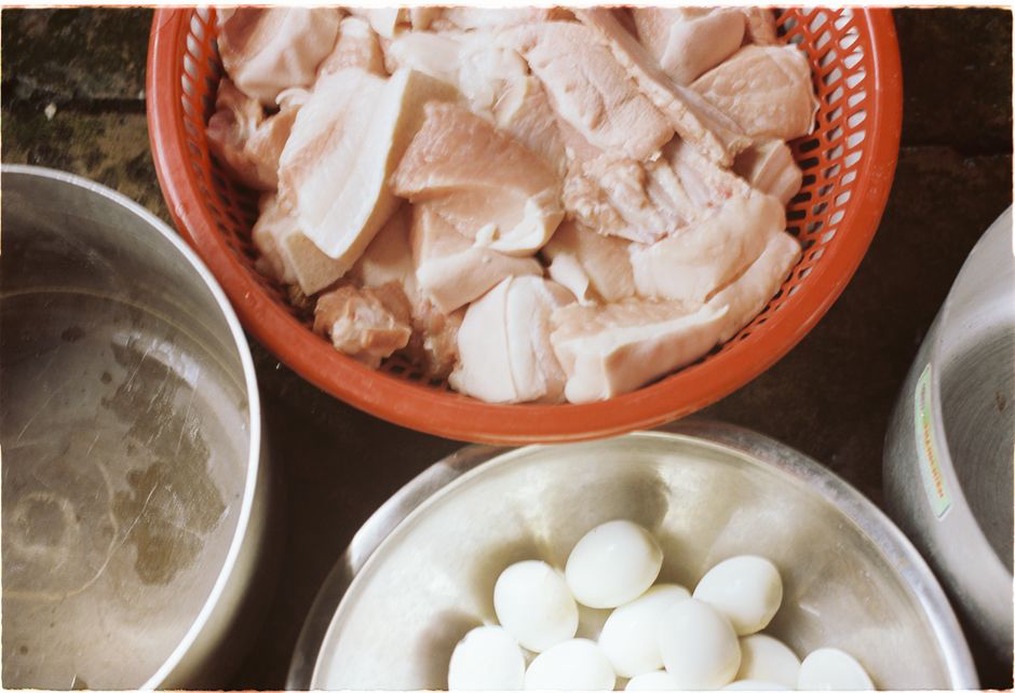
For a three-day plan, cook chicken, potatoes and carrots on day one. Use refrigerated leftovers for lunch on day two, then make eggs with the remaining carrots and fruit on day three. Keep frozen vegetables and another suitable protein available in case the leftovers run out. Next time, change just one thing that didn’t work—buy fewer carrots, perhaps, or choose a quicker dinner for day three.